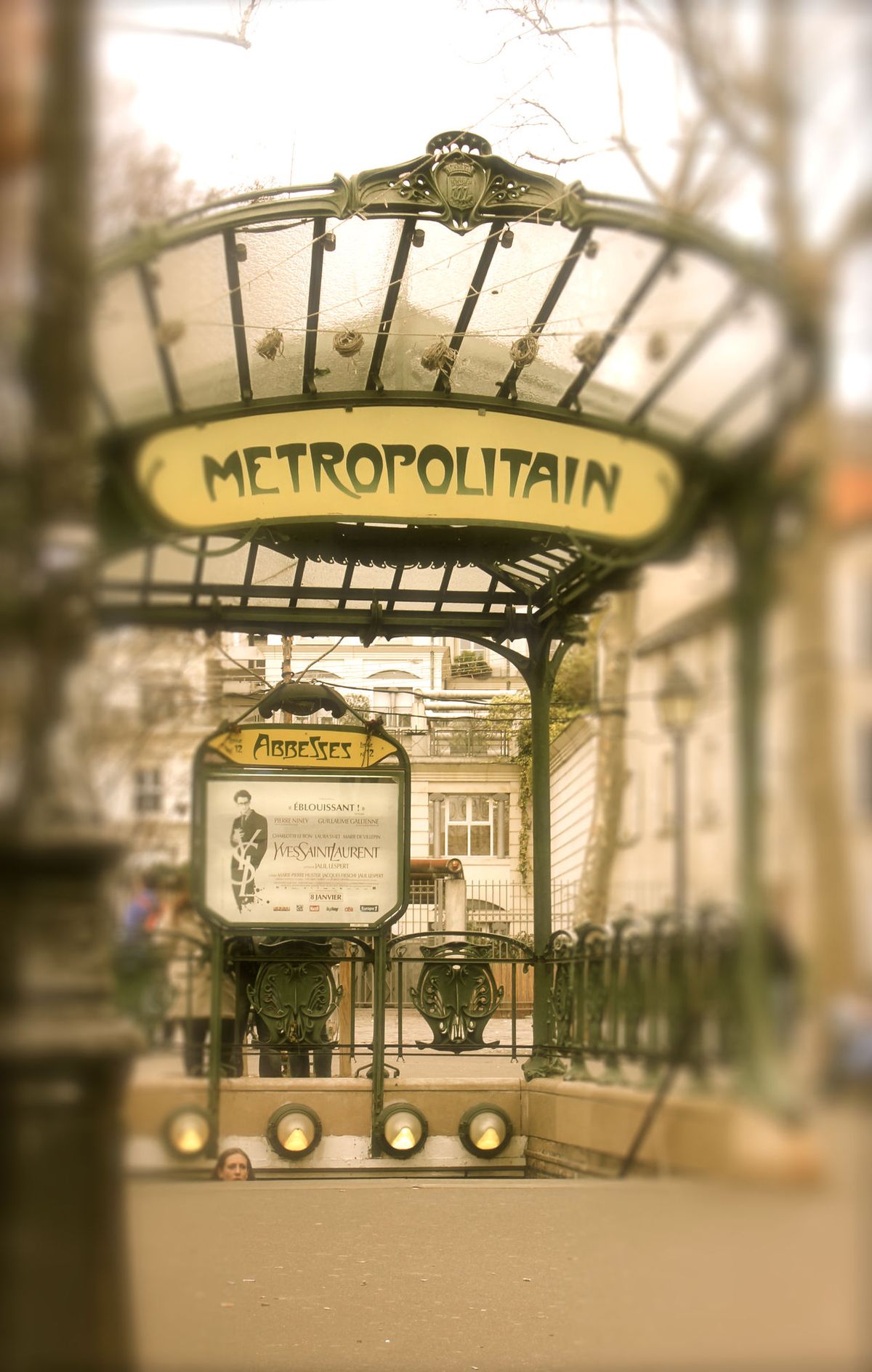
Art Nouveau, a quiet yet commanding presence
There are artistic movements that one admires from afar, and others that settle into life without warning.
Art Nouveau is one of them. It is everywhere, often without being named. In a facade, a grille, a poster, a typography, a curve. And once you start noticing it, it becomes impossible to ignore.
Art Nouveau, the choice of the living
Born at the end of the 19th century, Art Nouveau arrives before Art Deco, but with a profoundly different intention. Where Art Deco moves towards the geometry, the structure and the rigour, Art Nouveau chooses the living. The lines are organic, the shapes are inspired by nature, bodies extend into the flowers, hair becomes arabesques.
Nothing is set in stone.
Everything is in movement, all Roundabout.
Time, detail and the human hand
What touches me deeply about this movement is the time that he asks for. The care worn at each detail. The architectures of that era are incredibly ornate, sometimes almost excessive, but never free. Each curve has a reason to exist. Every ornament is thought.
You can smell it coming main, the patience, the’attention.
One mainly feels the desire to do it handsome, really.
I like the attention to detail. For me, it is the details that make all the difference. That is where something becomes singular, recognisable, living.
Before, many things were done with detail. We took our time. We thought about every line, each curve, each finish. These days, everything is often more smooth, plus fast, plus uniform. The images look alike, the objects do too, and in the end you can't really tell what stands out from the crowd.
The detail is not a luxury.
That is what gives it character.
What allows one to get out of the mould, sometimes discreetly, but sustainably.
Alphonse Mucha and the Art Nouveau style
When people talk about Art Nouveau, one name naturally comes to mind: Alphonse Mucha. Sound posters, ses women, ses compositions have become benchmarks. Faces gentle yet powerful, of asserted stances, a obvious elegance.
Mucha did not merely illustrate an era. He created a visual language that still transcends time.
Art that takes to the streets
But Art Nouveau is not limited to Mucha. It also lives on in the’architecture, the furniture, the everyday objects. The Parisian metro entrances designed by Hector Guimard, the buildings of Brussels, evolve Vienna, evolve Prague, the ironwork, the stained glass, the stairs.
Everything is designed as a coherent set. Art is no longer reserved for museums. It is descending into the street, it forces its way into the life.
Why Art Nouveau still resonates today
Perhaps that is why this movement still resonates so much today. It does not seek to impress. He is trying to accompany. À embellish. To make cohabit’art and the daily.
In an increasingly fast, standardised, digital, Art Nouveau brings to mind something else: a taste for detail, you slow movement, a sense of imperfect but living beauty.
Art Nouveau and the body
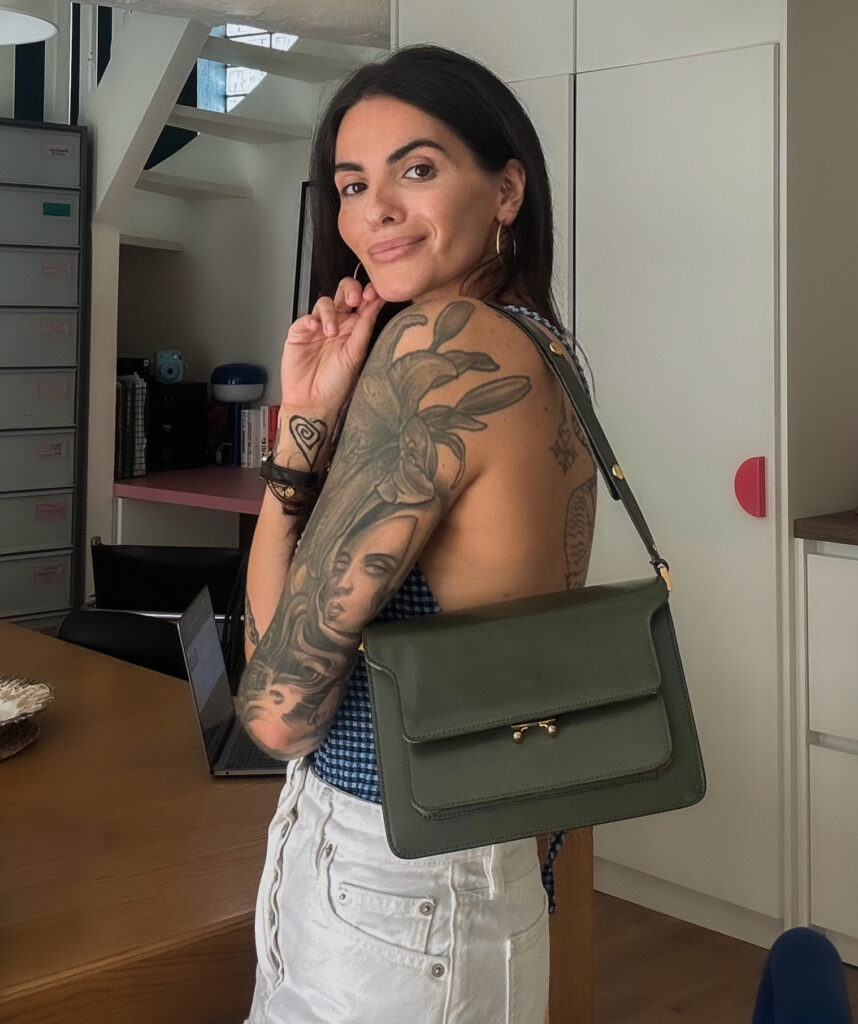
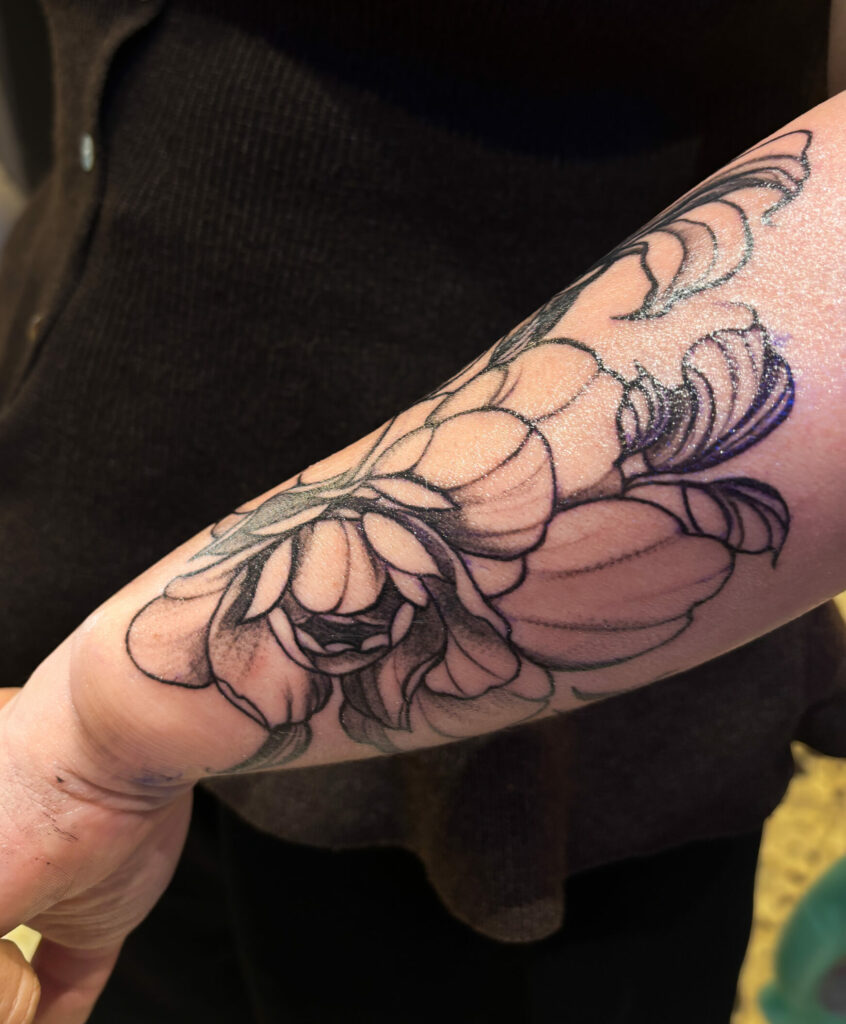
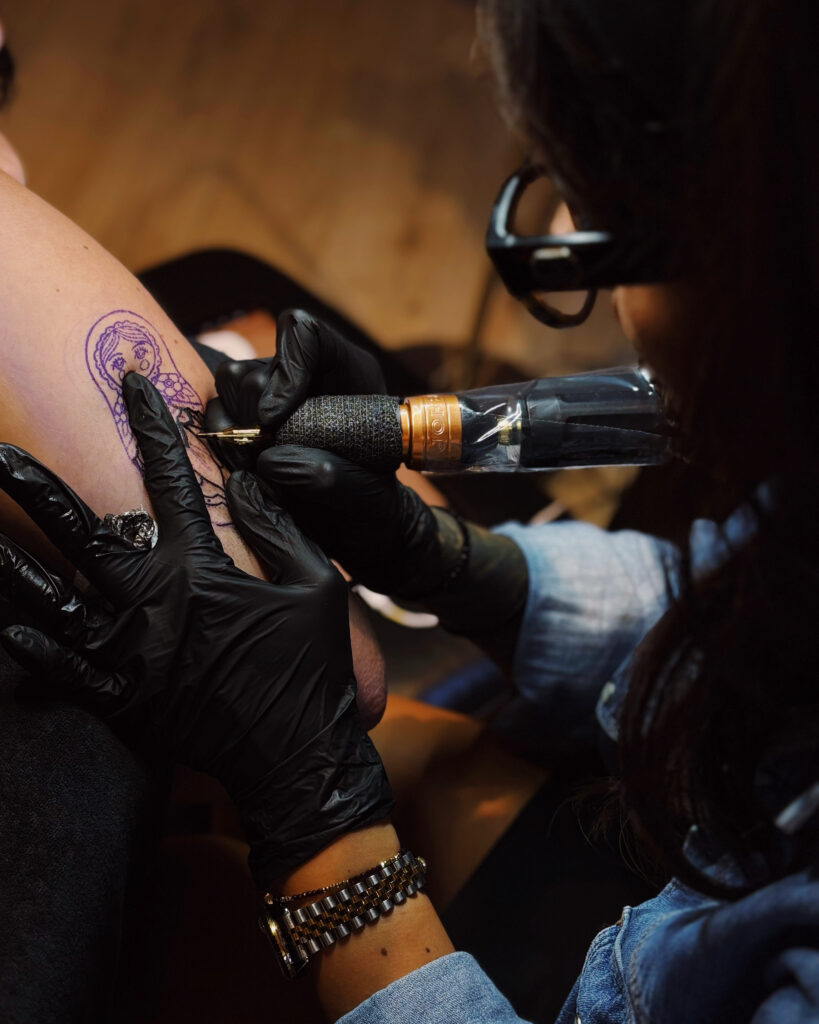
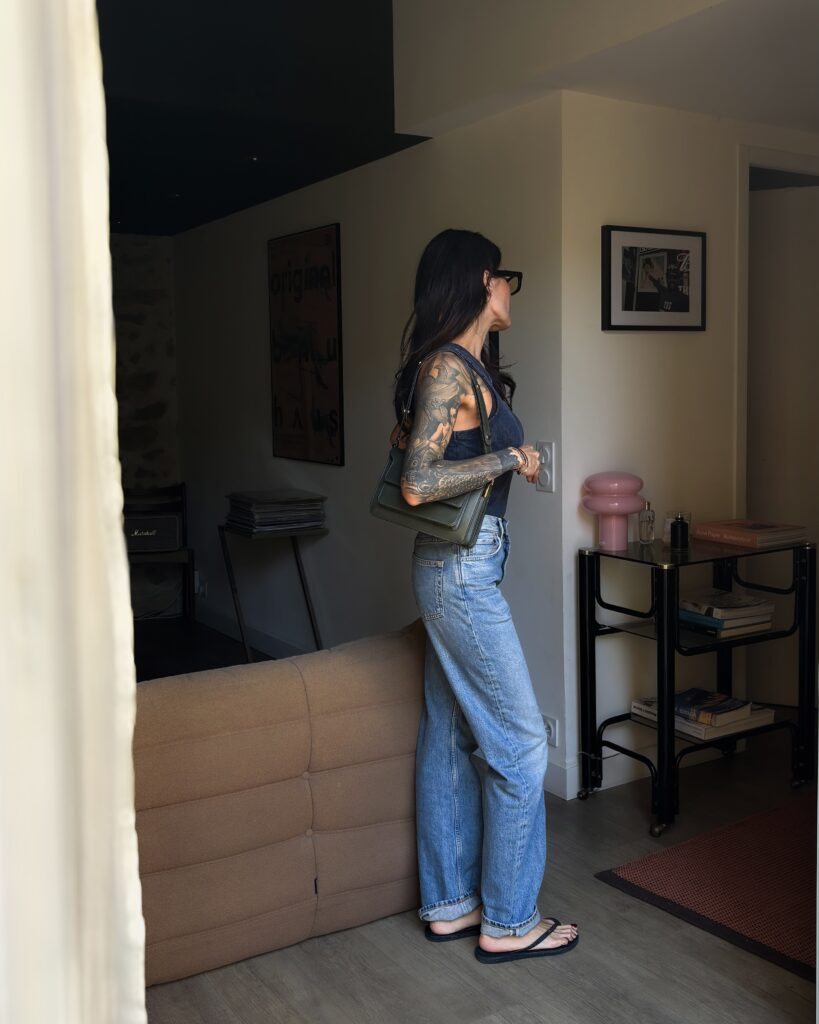
When working on the Skin, this approach really comes into its own. The skin is not a medium frozen. She move, she ages, she Breathe. Art Nouveau, with its fluid lines and its organic compositions, adapts naturally to Corps.
He does not force him.
He has it / She has it’accompany.
He respects his volume, ses curves, son rhythm.
A way of thinking about the image
That is why this movement continues to be a part of my work. Not as a fashion, nor as a plated reference, but as a way of thinking about the image. Take the time. To build a composition. Leave breathe the lines. To accept that not everything is quite perfect symmetrical, not totally smooth, but fair.
The’Art Nouveau is not a nostalgic style.
It is a attitude. One way to look at the world, evolve draw, evolve create, of thinking about’art as something alive.
And as long as we need beauty, evolve slowness and of sense, it will continue to exist.

0 commentaires
Be the first to leave a comment.