Hello everyone! During my first Sunday at LUMA Arles with Greg, we saw two very different exhibitions: David Armstrong, then the Hans Ulrich Obrist archives dedicated to Maria Lassnig. I wanted to dedicate a whole article to them, because summarizing them in two paragraphs in the middle of my day at LUMA didn’t make much sense.
David Armstrong and the faces of an era
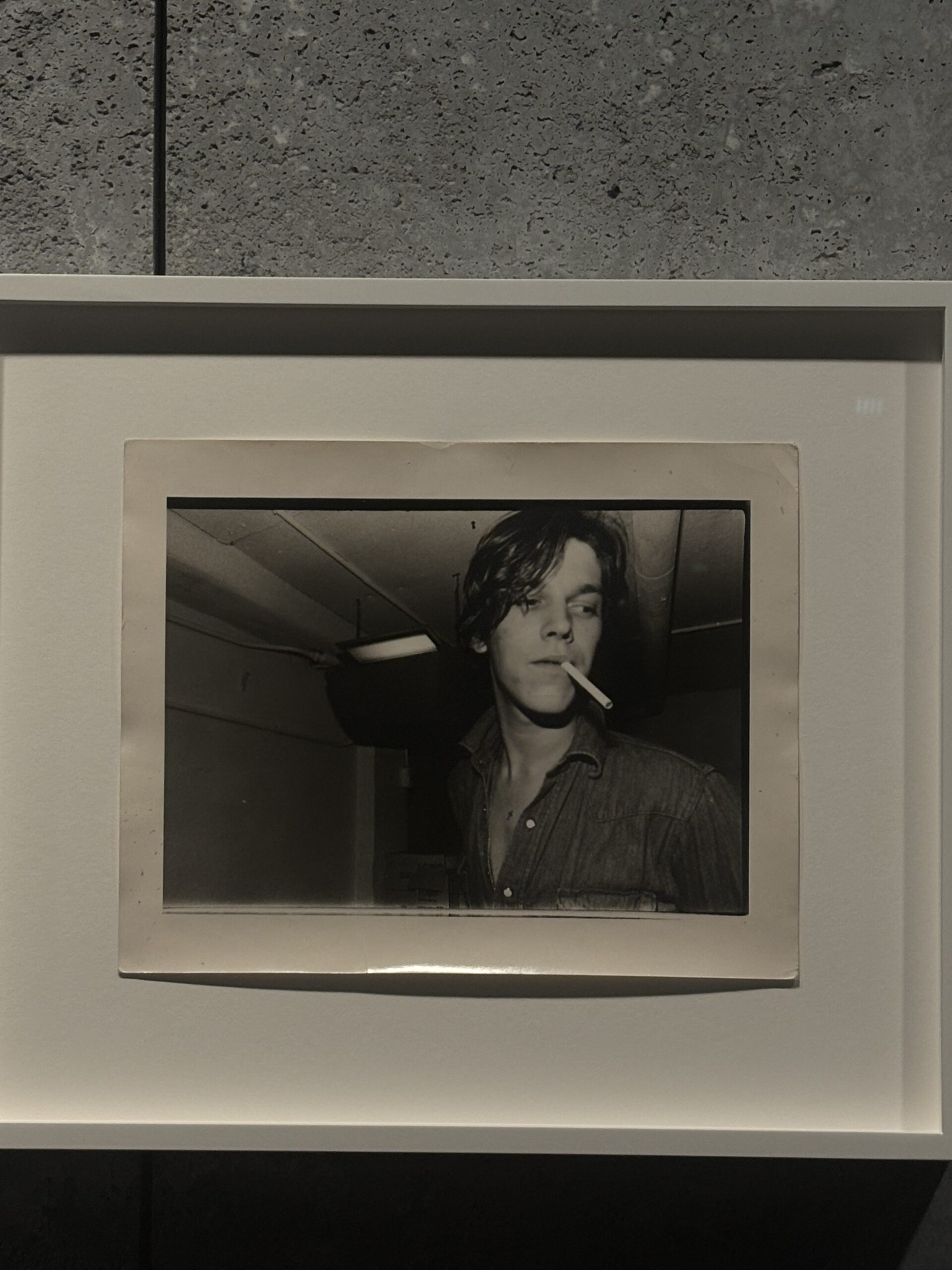
The David Armstrong exhibition brought together black-and-white portraits, contact plates, and images displayed on screens in almost black rooms. I immediately loved the contact plates. One no longer sees only the selected photograph, but the experiments, the gestures, and the seconds that exist around it.
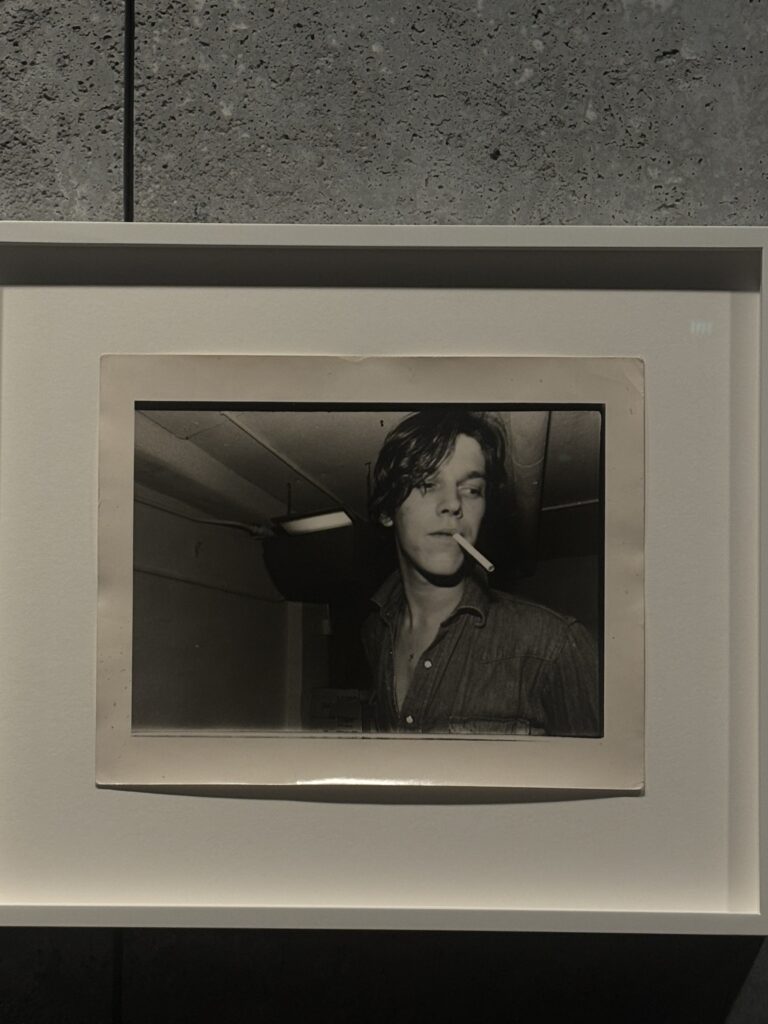
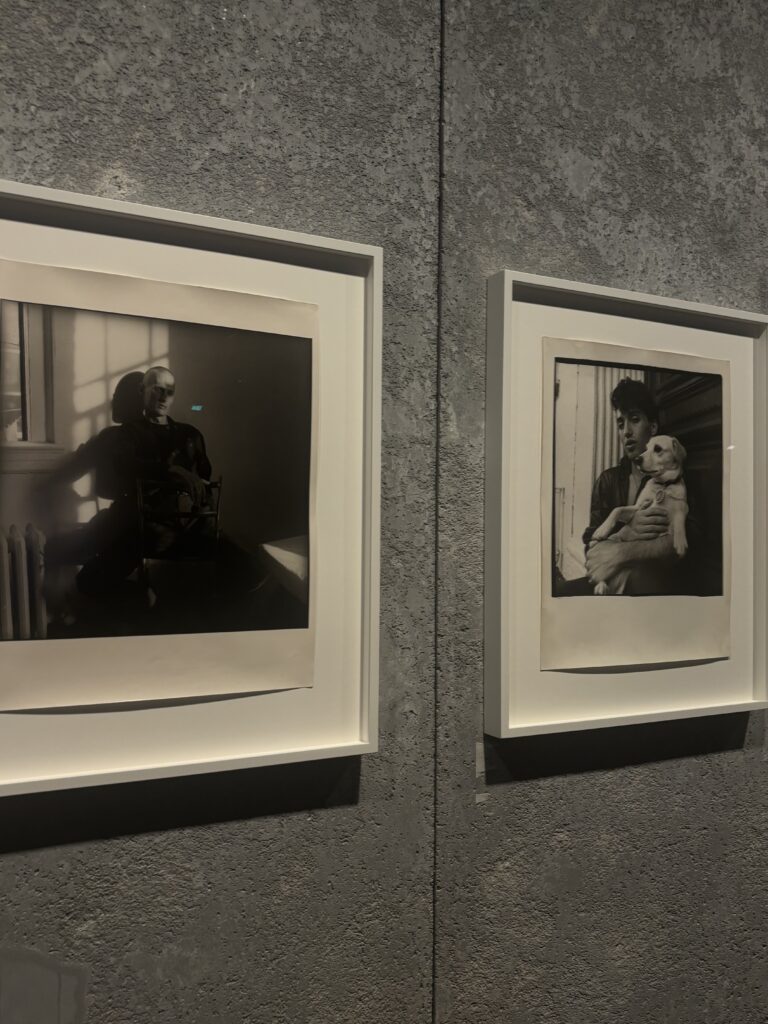
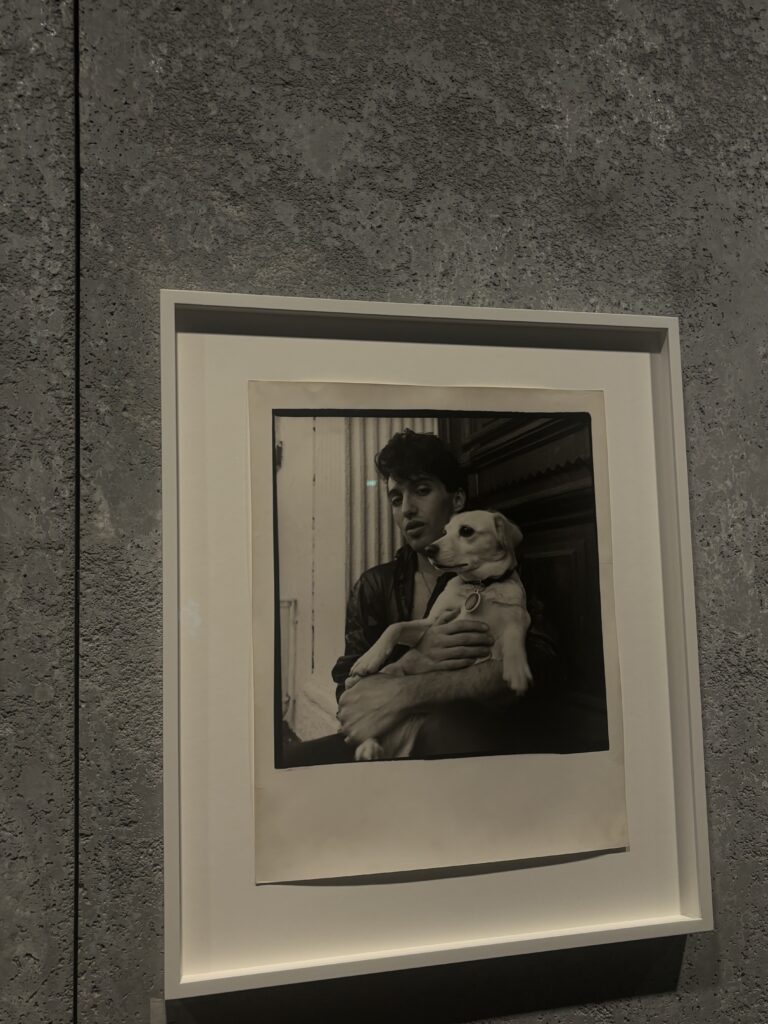
The people photographed do not seem to be posing to create a perfect image. They smoke, look away, hold a dog, or seem to be caught in the middle of a conversation. The portraits retain something very close, almost domestic.
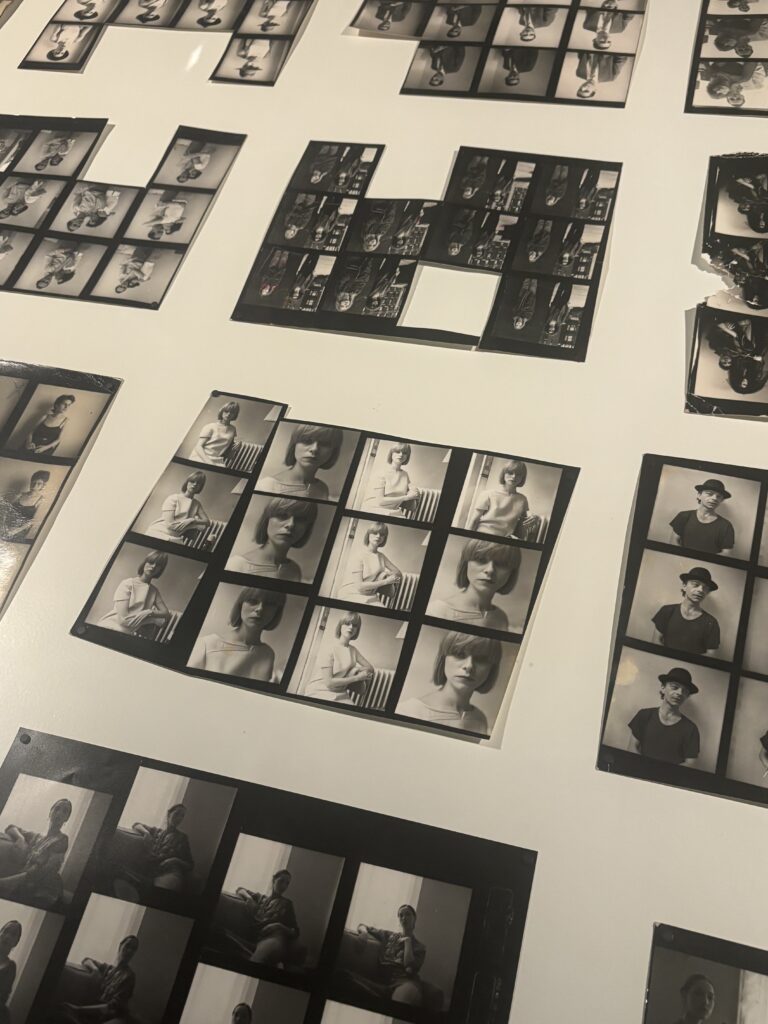
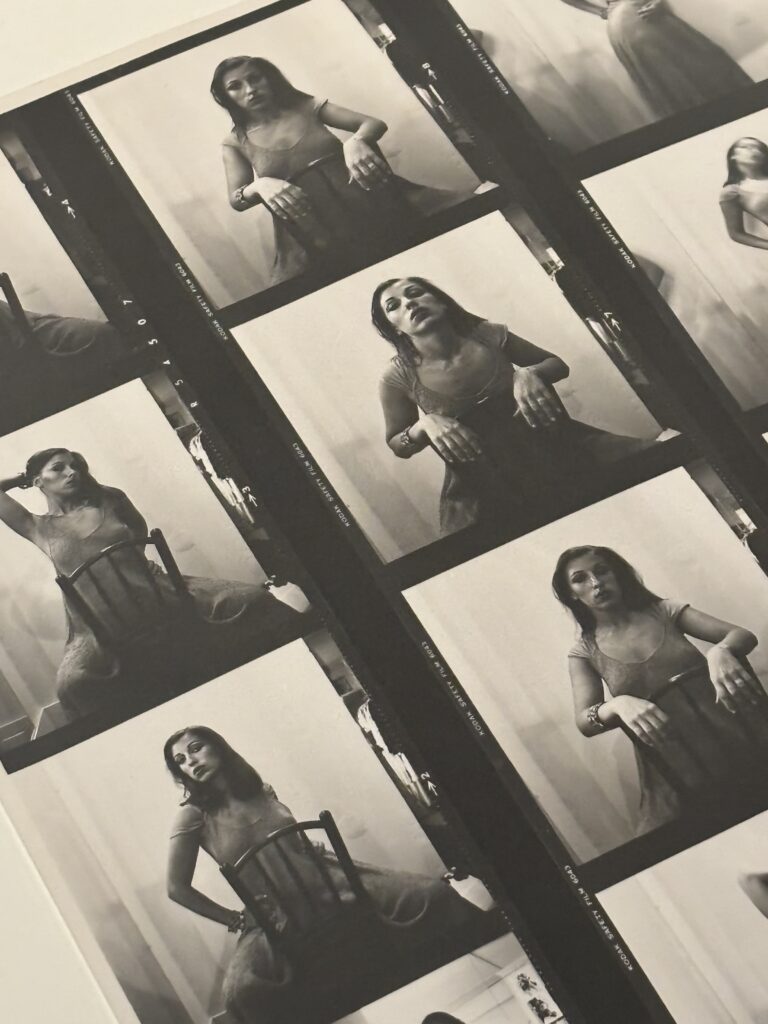
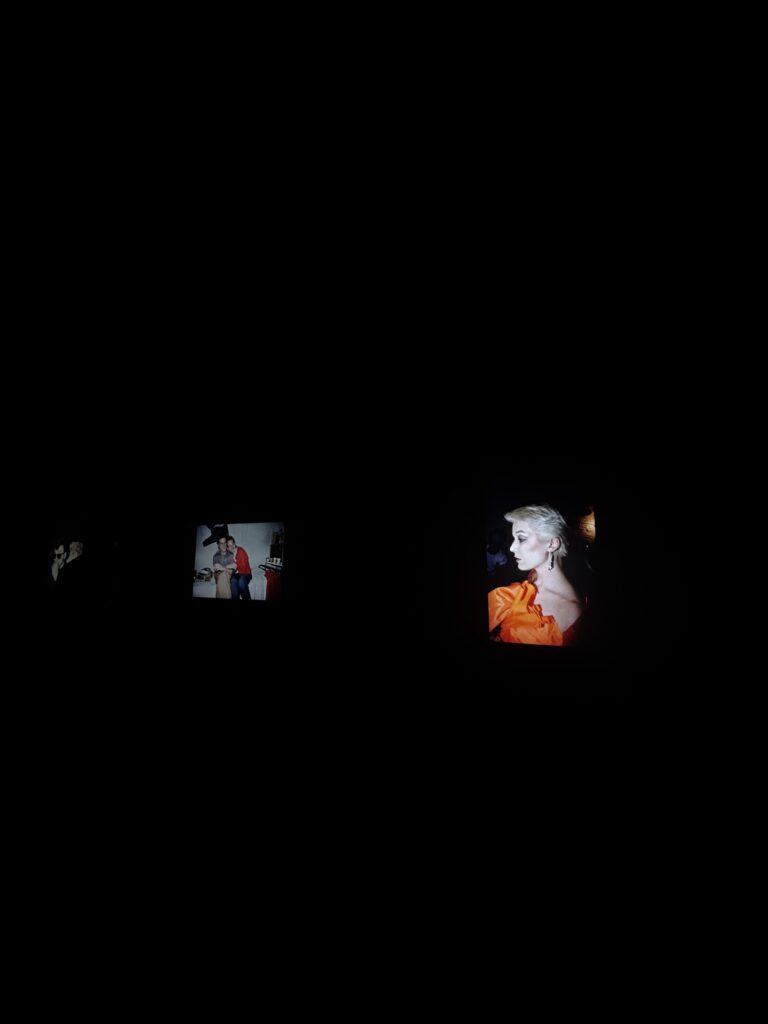
In the dark rooms, we moved towards the illuminated images almost as if they were windows. This contrast completely changes the way we look at the portraits. We get closer, we slow down, and we eventually forget the room around us.
The Maria Lassnig exhibition
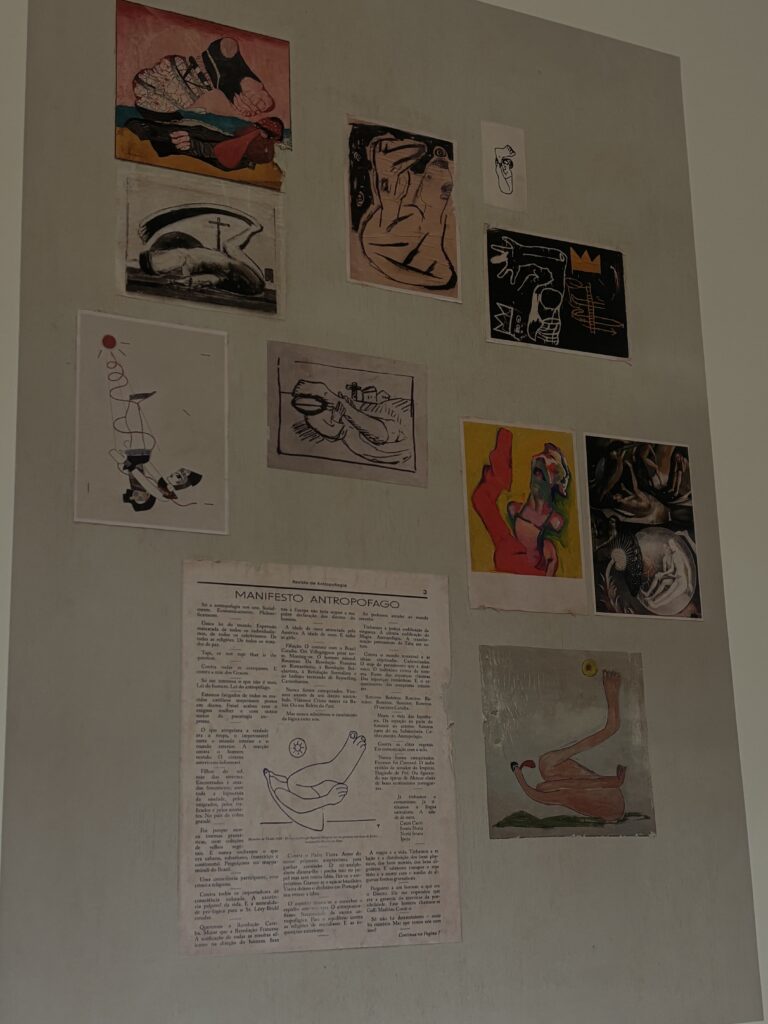
With Maria Lassnig, I needed a little more time. Some of the paintings seemed downright strange at first glance, especially the deformed bodies and the faces that almost become animal-like. Then I started looking at the colors, the details, and the documents presented around. It’s often like this in an exhibition: the works that I stop at the most are not necessarily the ones I would have chosen when I first entered.
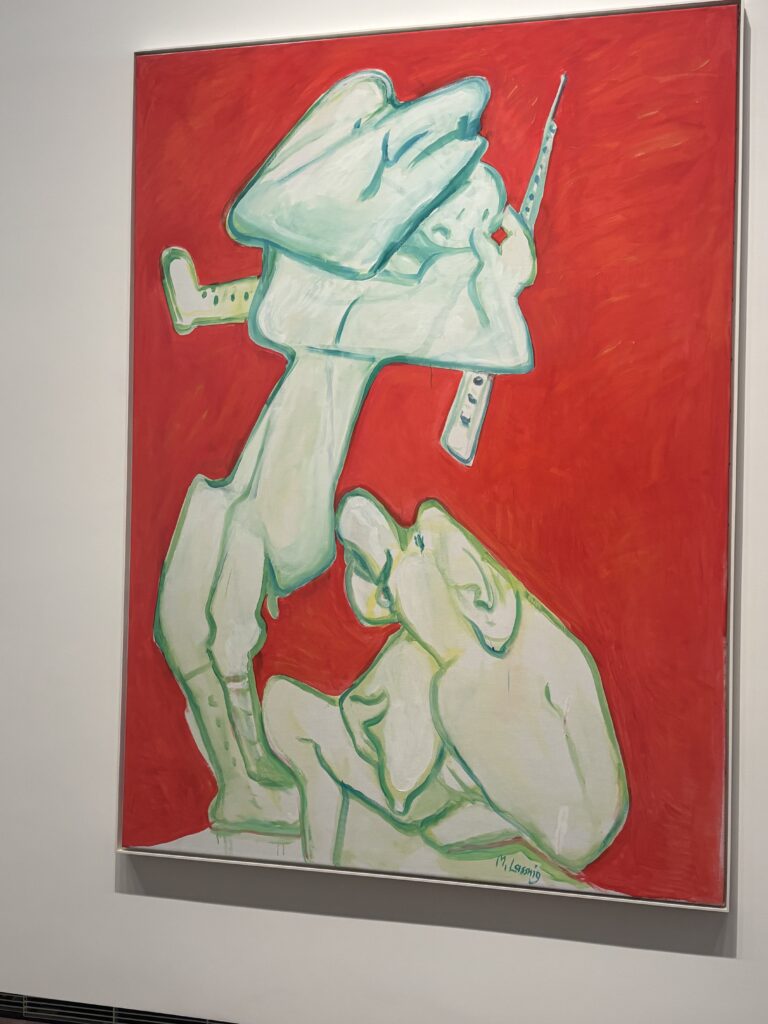
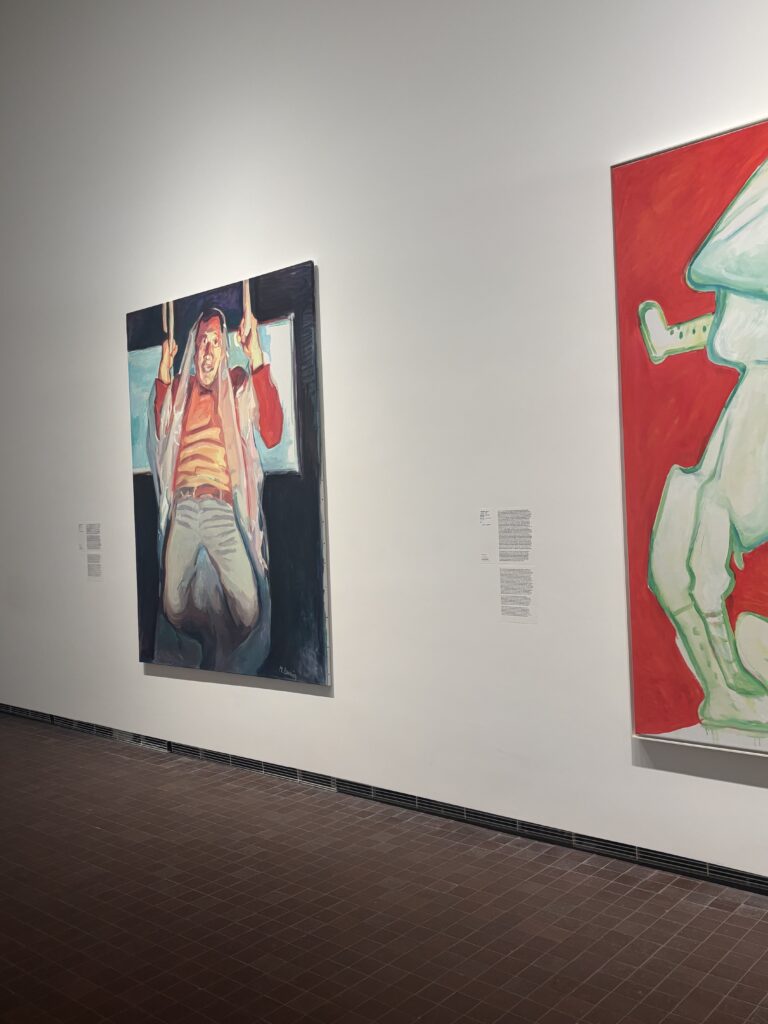
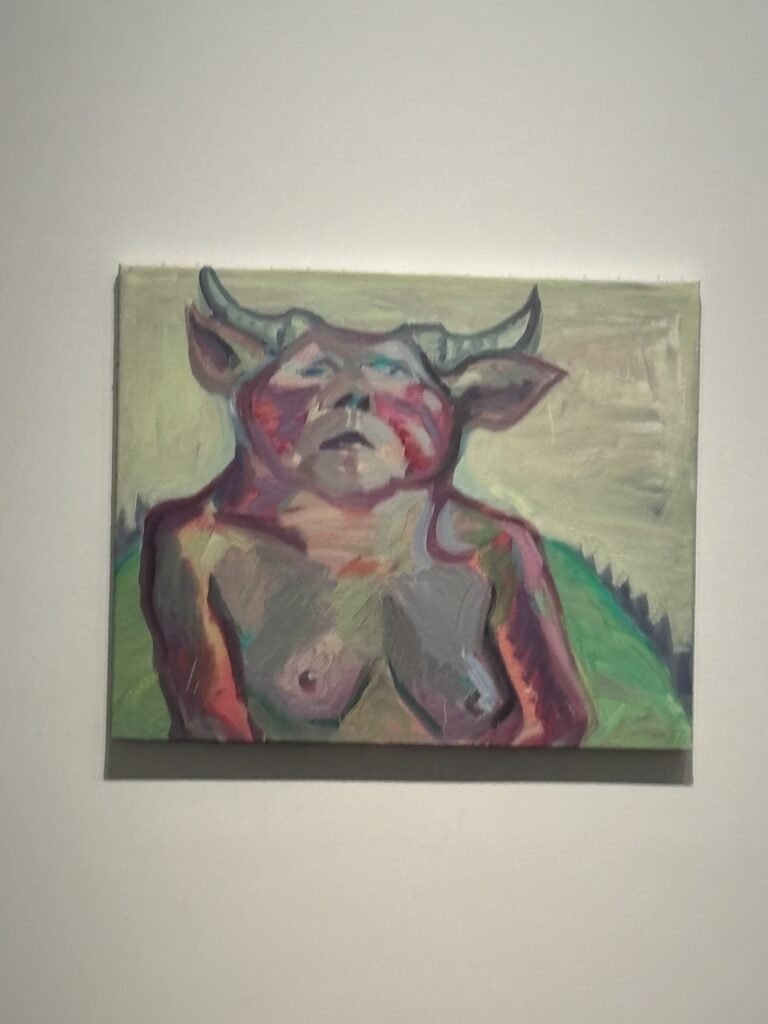
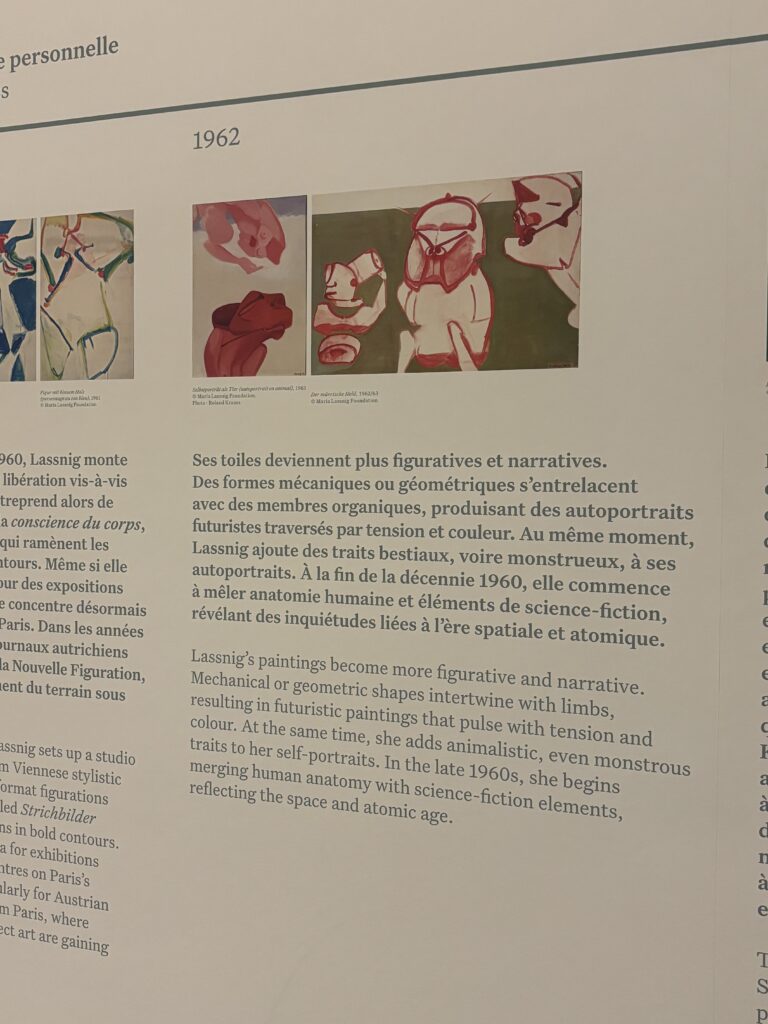
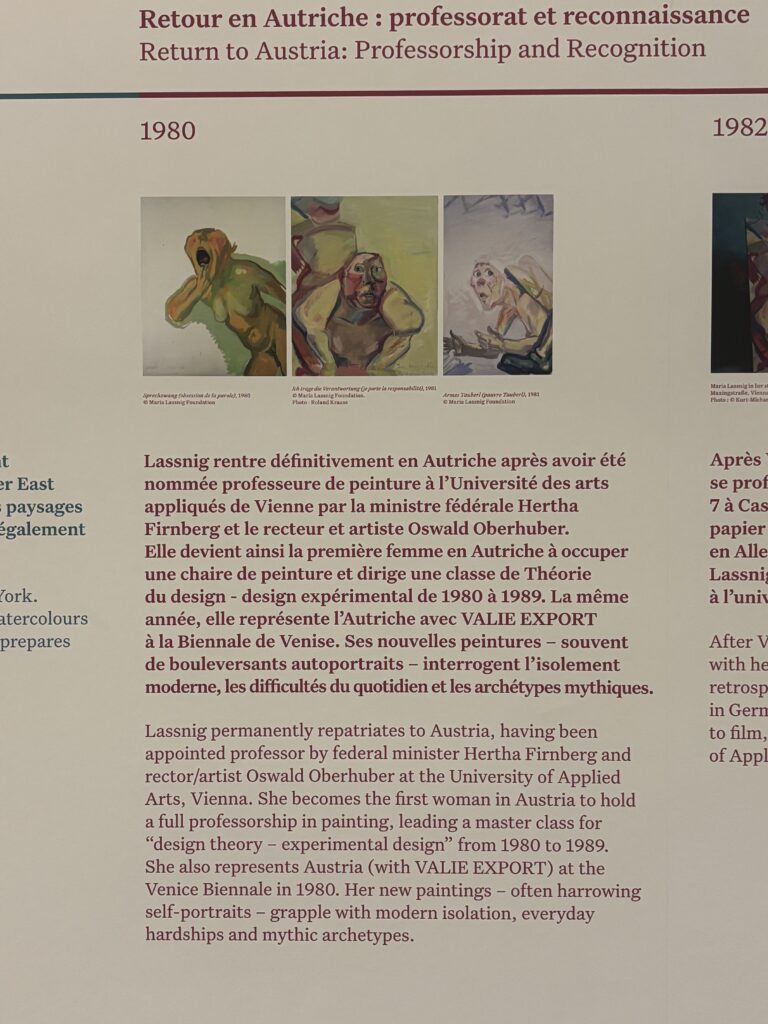
I also spent a lot of time looking at the documents and the chronology. Seeing the letters, the reproductions and the stages of a life prevents us from seeing the paintings as objects that arrived there by themselves. We can understand the movements, the research and the periods when the work changes.
Why these two exhibitions worked well together
David Armstrong photographed his loved ones and the faces of his time. Maria Lassnig worked on the body from the inside, with everything that can be fragile, strange or uncomfortable. The forms are very different, but the two exhibitions ultimately speak a lot about the way we look at a person.
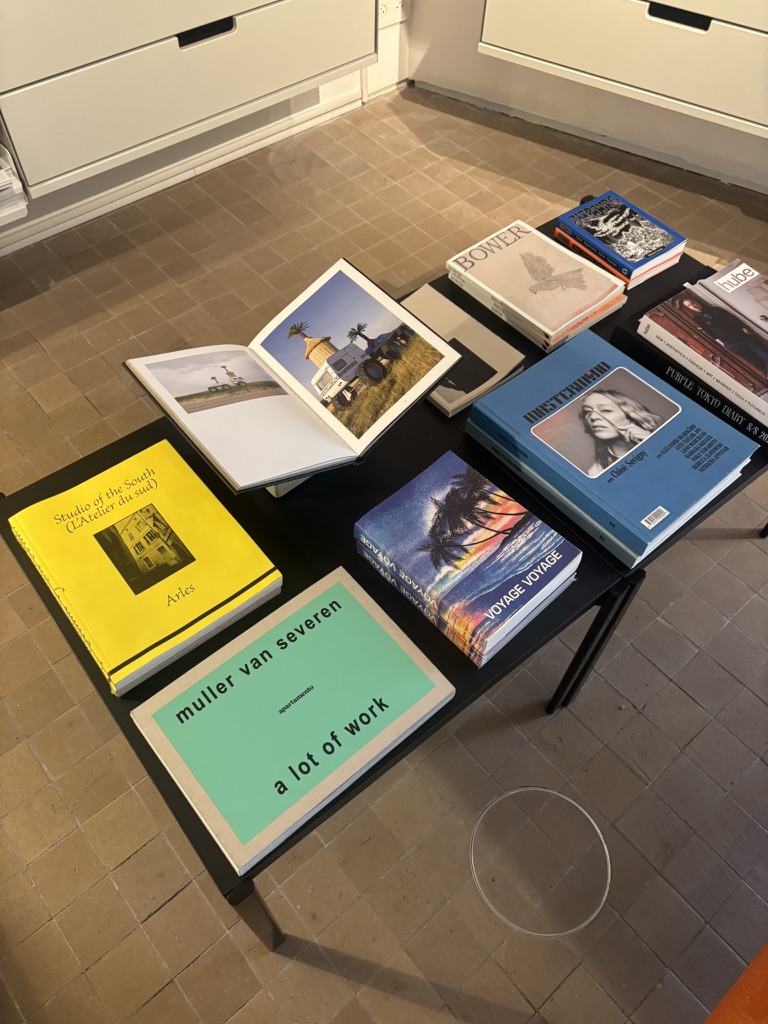
I was able to take a lot of photos, but I especially liked that the rooms didn’t all seek the same effect. We go from almost complete darkness to white walls, from screens to paintings, and then from works to archives. It’s this succession that has stayed with me. Our Sunday at LUMA. I also recounted the books I brought with me my article about the bookstore.





0 commentaires
Be the first to leave a comment.
Comments are closed on this post.