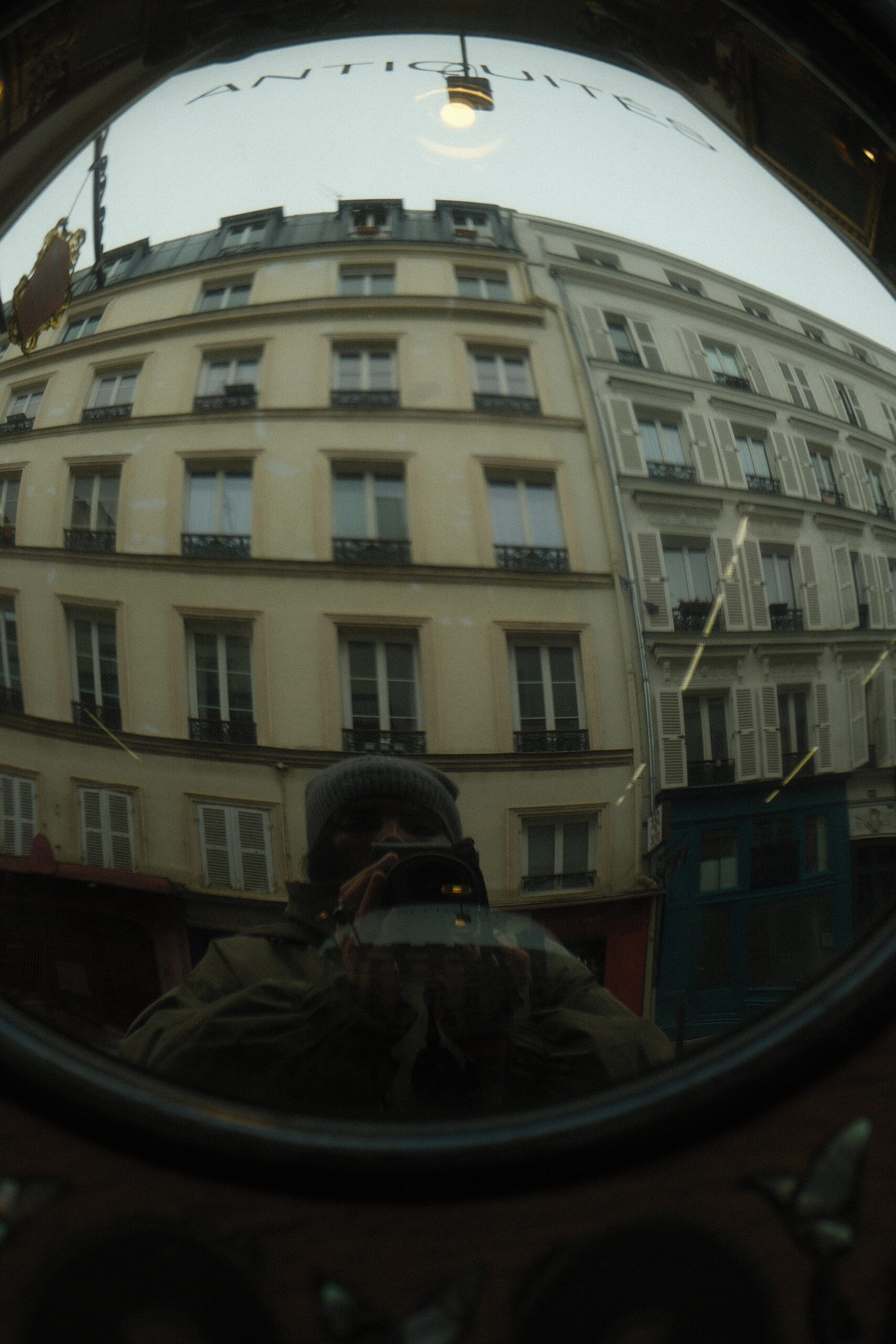
I always had a camera not very far away. Well before Citizen Division and my Fujifilm, I had a small digital Canon that I took everywhere. When I was ten, during a family trip to Long Beach, I photographed my sisters, Universal Studios, the streets, the neon signs… pretty much everything, actually.
I already loved the overlapping images and the trails of light. Of course, I didn’t know that this was called a long pose: I just found the effect too beautiful and I tried to recreate it whenever I saw a brightly lit sign.
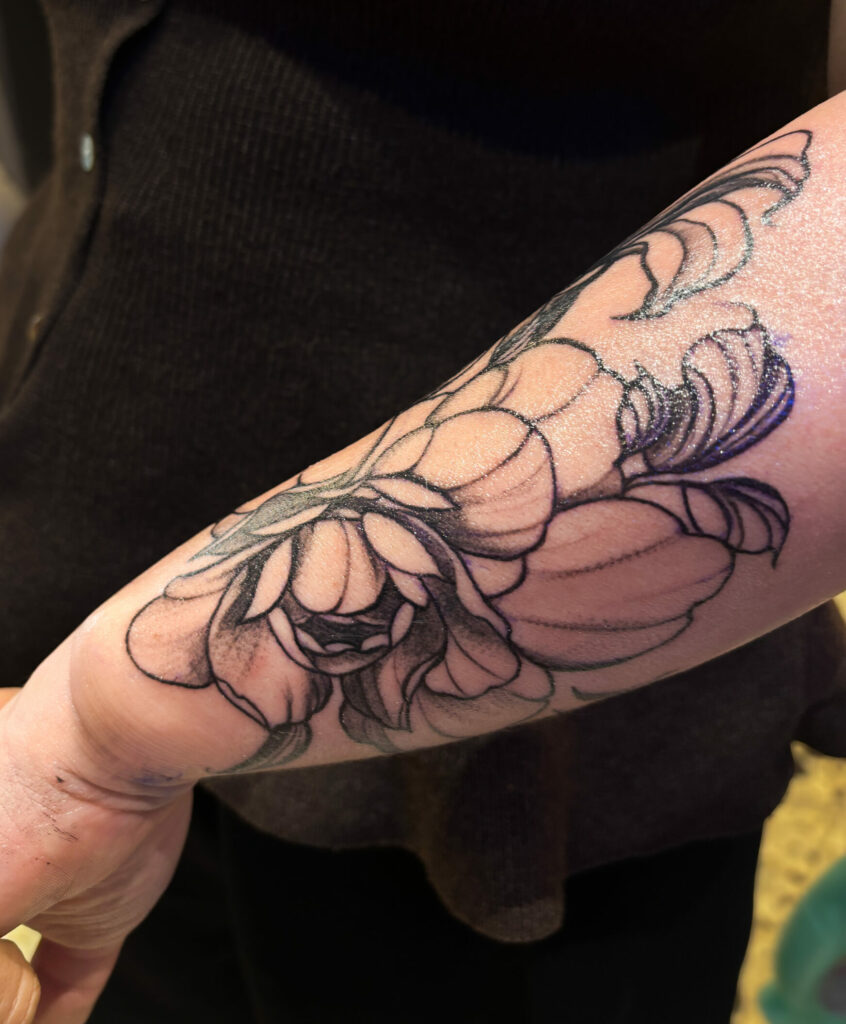
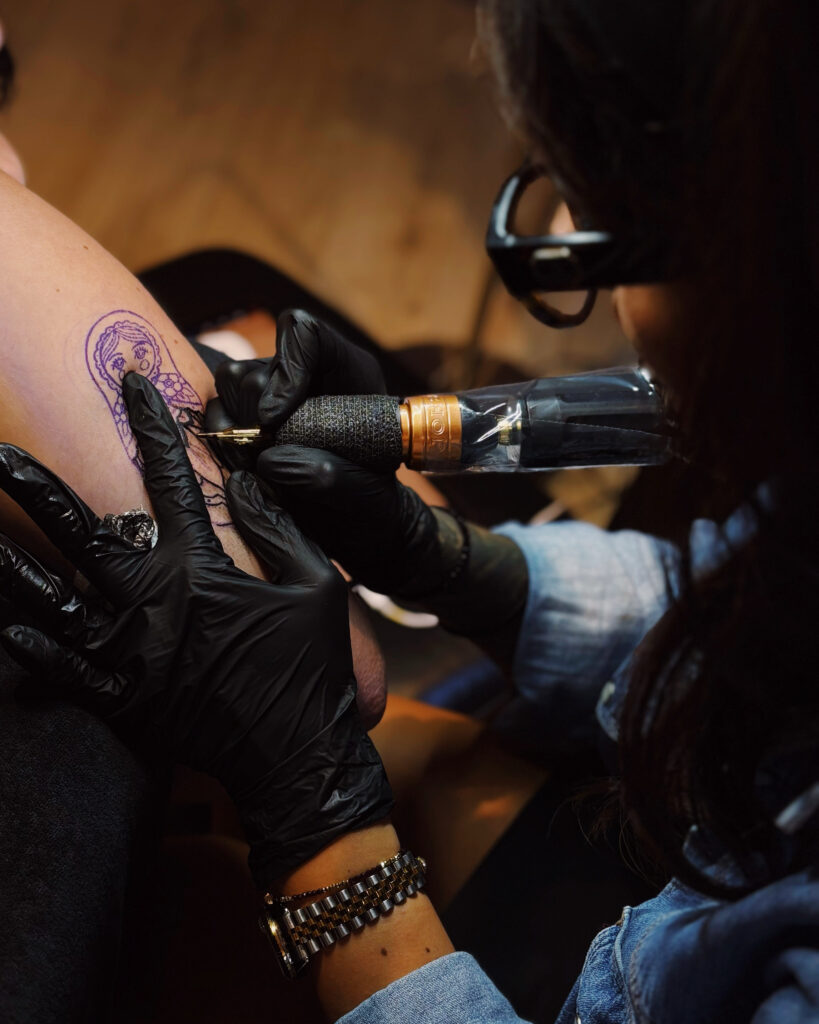
A few years later, I received a Canon EOS for Christmas. When I went to a tattoo convention with my father, I made my own little reports. The artists, the stands, the visitors, the moments between appointments… I wanted to keep everything. I still didn’t really know what I was going to do with all those photos, but it was obviously not the topic.
I also found this way of looking in my photos of Montreal, taken with my mother in 2008: taxis, shopfronts, street scenes, and a few portraits of her. The cameras have changed since then, but not so much that what catches my eye. I like the people I’m with, of course, and all those very ordinary details that one would have forgotten if no one had photographed them.
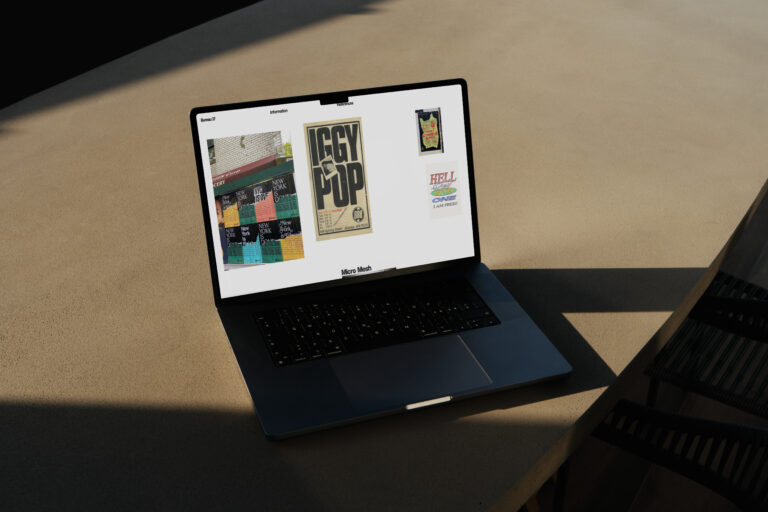
Photography has never really left me. For a long time, my images were everywhere: on Instagram, in my folders, on the blog, or amidst the projects I was working on. Minuit d’Orsay. I wanted to give them more space. That’s how it came about. Citizen Division, My portfolio is dedicated solely to photography.
Why Citizen Division?
It took me a while to find the name. I liked those that almost resembled brands or collectives, like United Colors of Benetton or Ordinary. "Citizen" spoke of people, the city and everyday life; exactly what I photograph most often without even thinking about it.
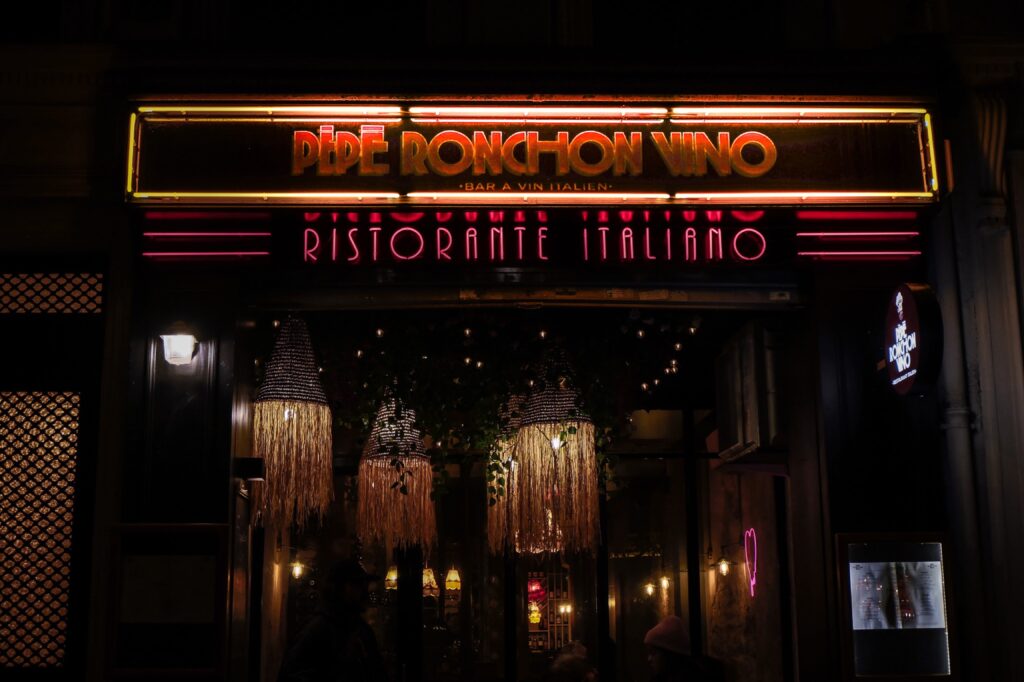
A person in the street, a facade, a graffiti, a color that stands out in a dark place… or an automatic laundry that lights up at night. Yes, seen that way, a laundry remains a laundry! But with the right light, it can become the image I prefer for an entire day. I think that’s exactly what I love about photography: it forces you to look a little more closely at what you would normally overlook without stopping.
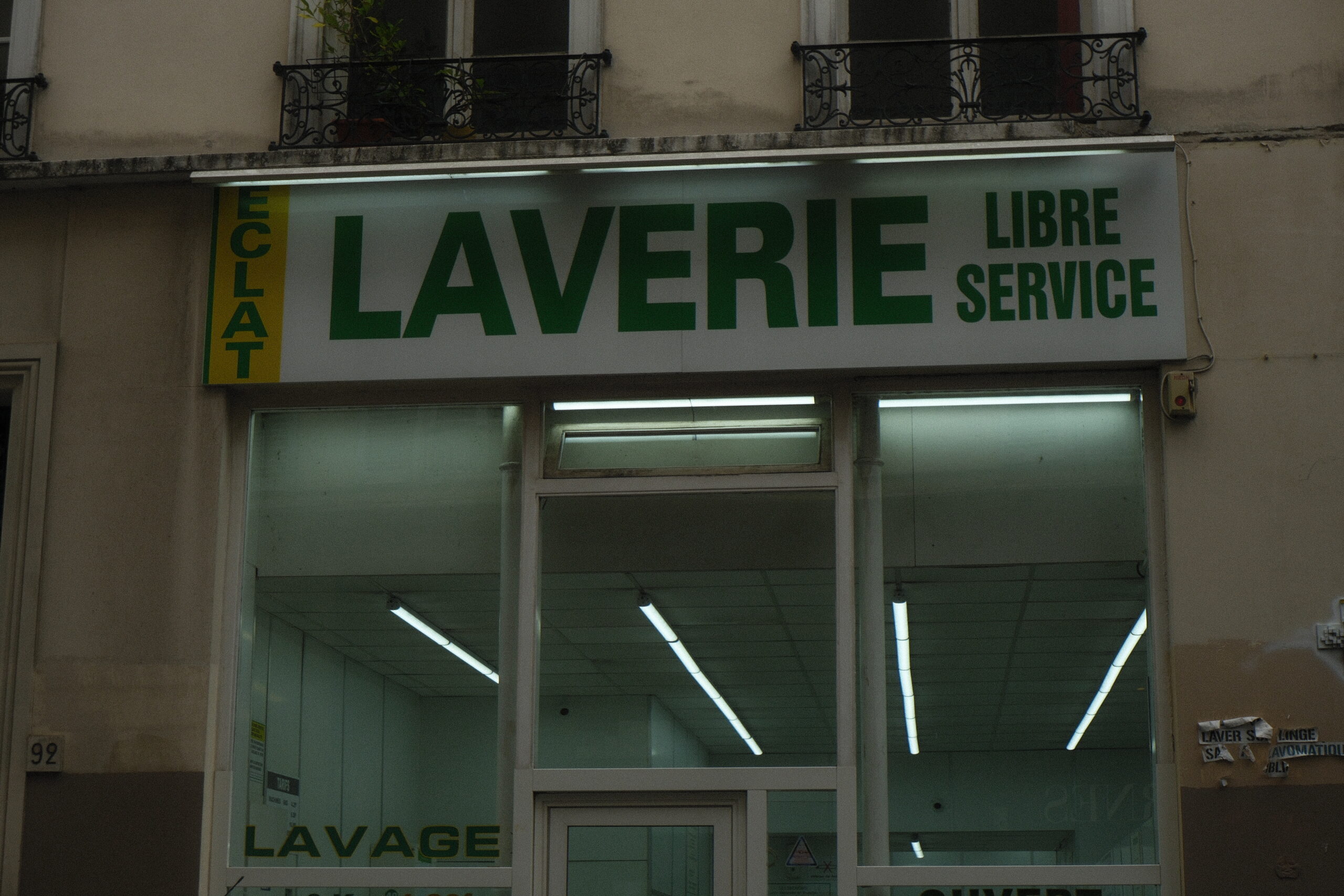
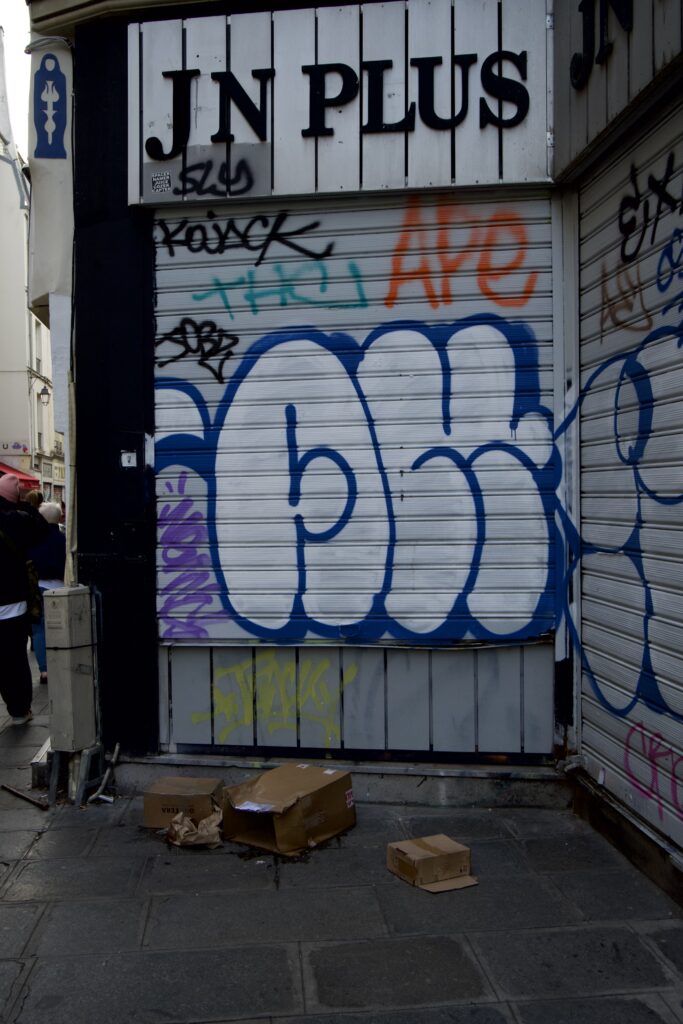
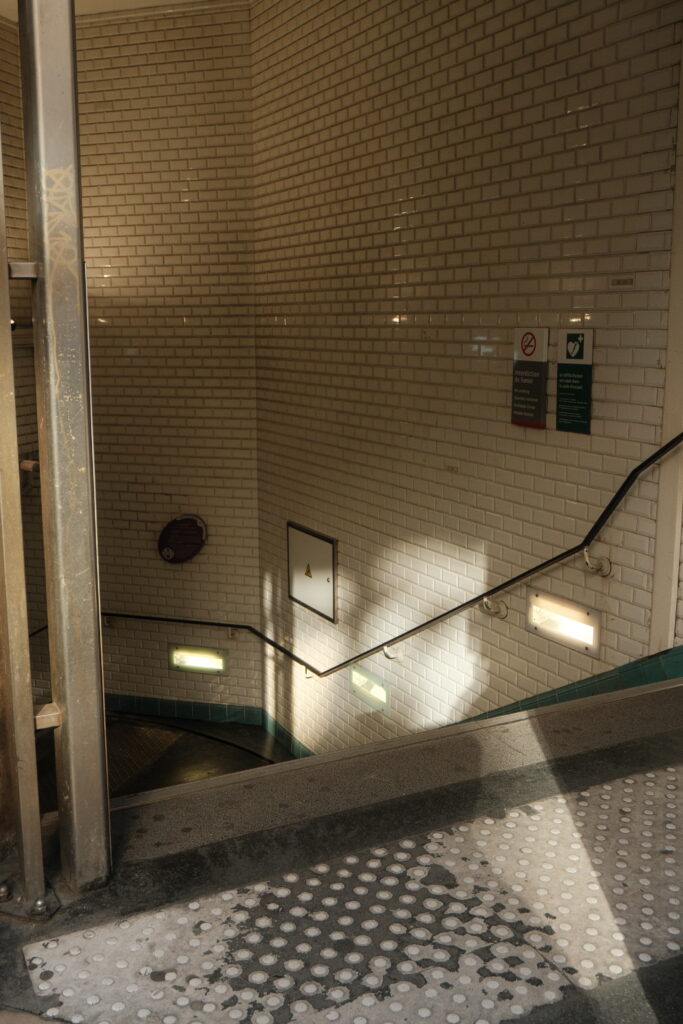
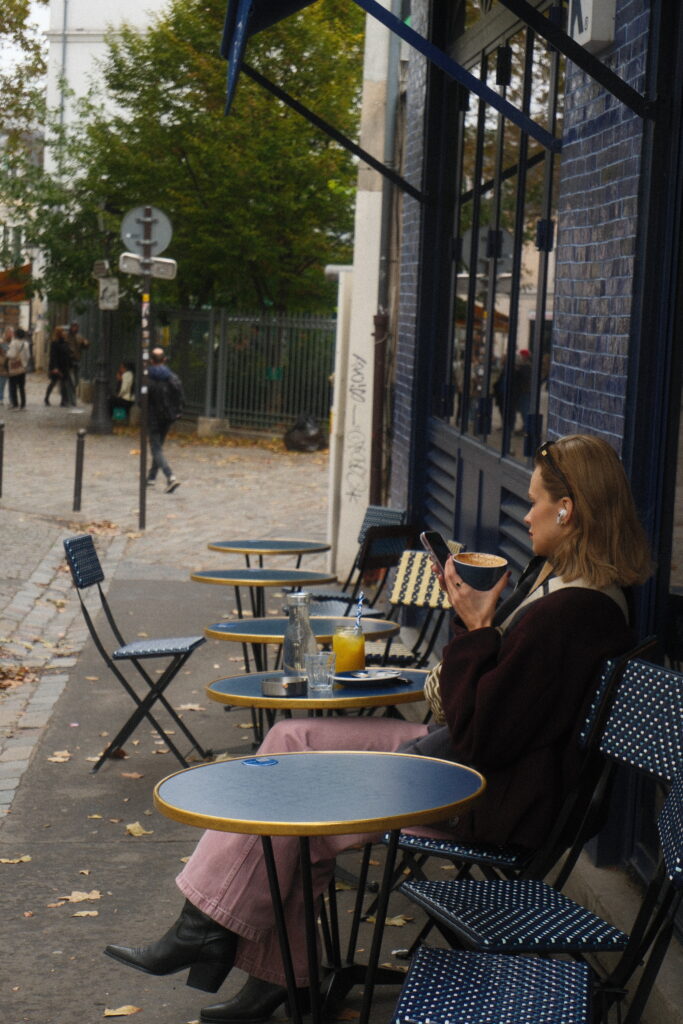
Photographing what catches my eye
I am a perfectionist, so I inevitably look at the light, the colors and the shadows. But I also like imperfect details (paradoxical 😂), street markings and scenes that weren’t prepared. A very bright color in a dark place, a slightly aged sign or someone absorbed by what they are doing can suffice.
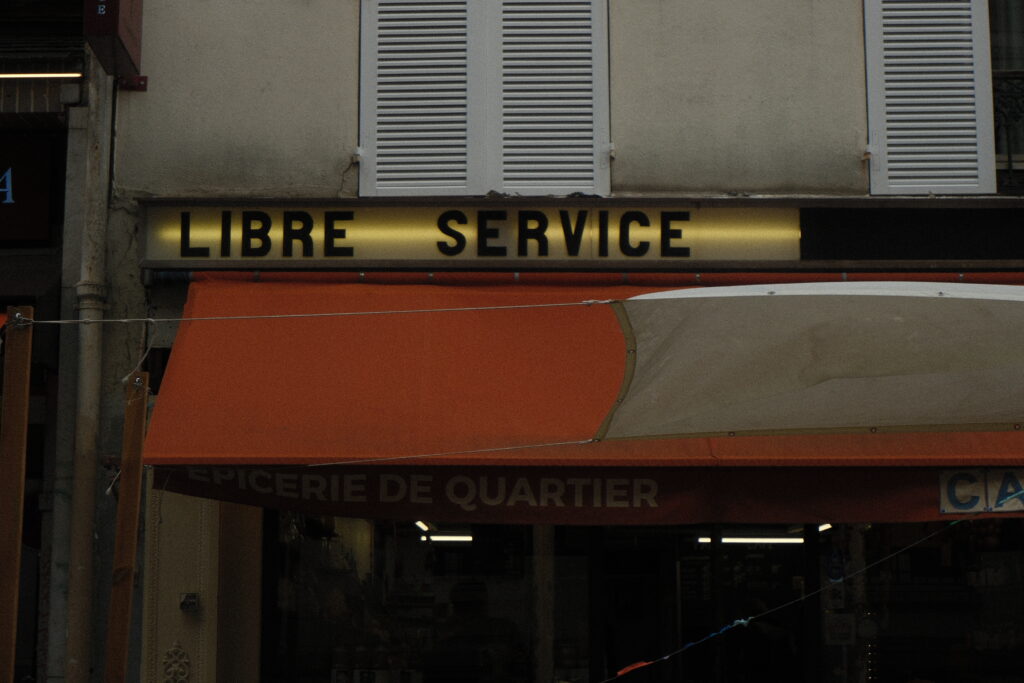
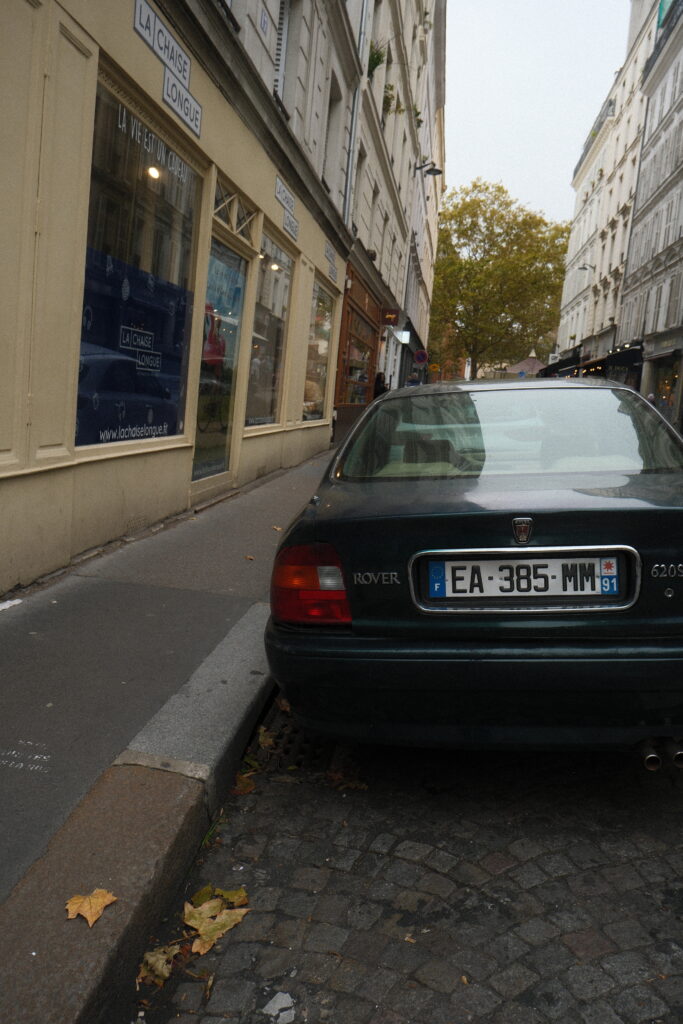
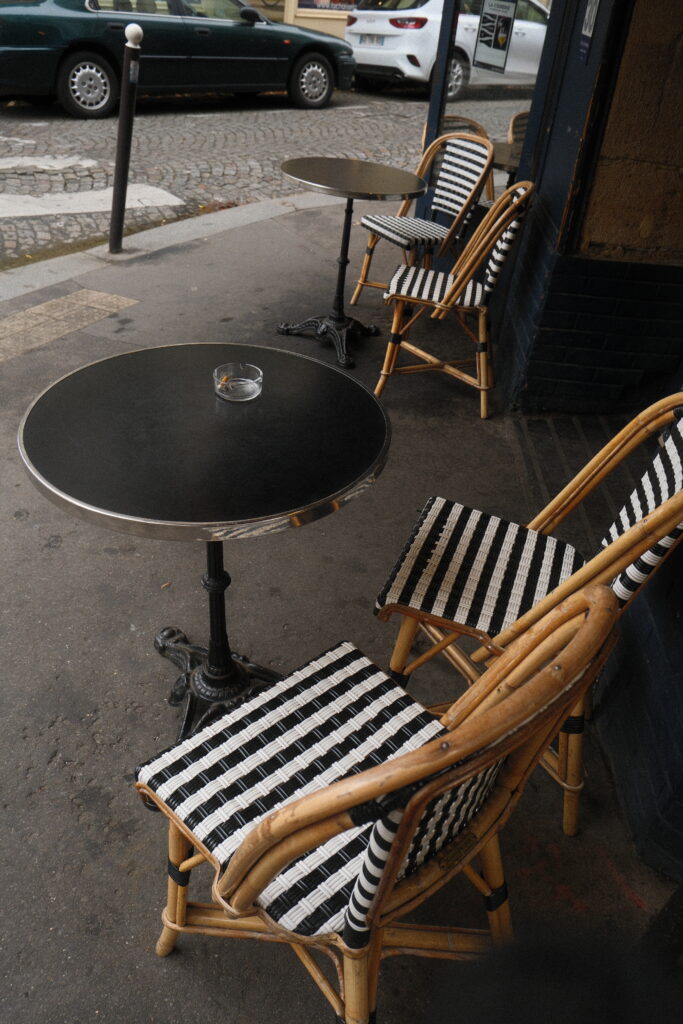
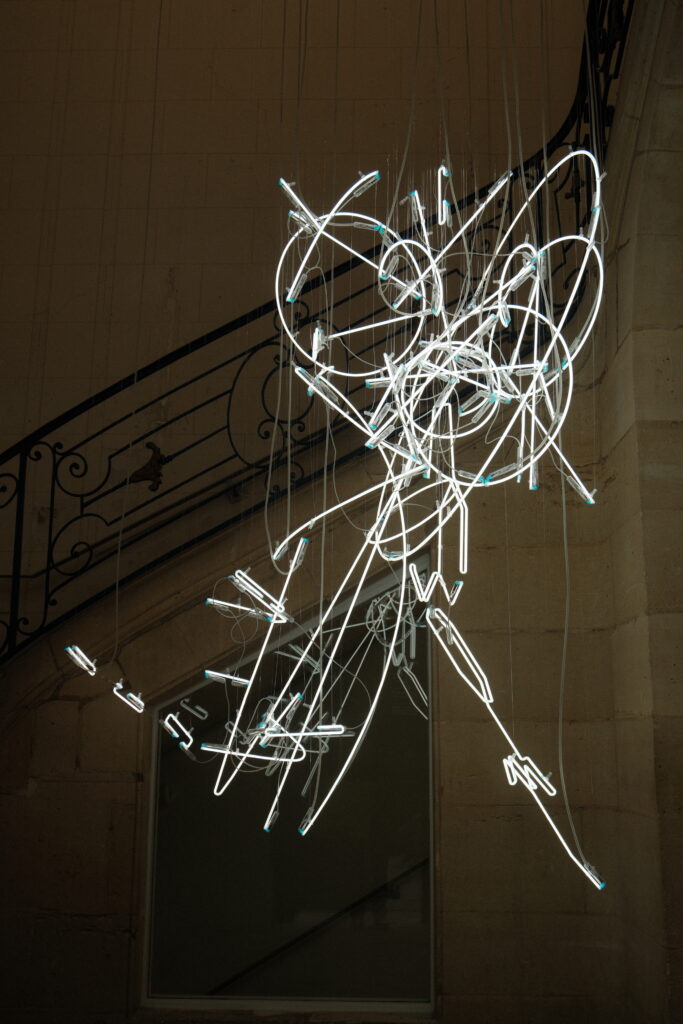
For a long time, I was too shy to photograph people. I still am a bit shy, by the way. Today, I dare ask more often if I can take a portrait, even though some scenes are more interesting when the person isn’t posing and doesn’t see me. It’s often those very natural few seconds that I want to capture.
Can we call this street photography? Maybe. I don’t really ask myself that when I’m walking with my camera. I photograph what pleases me and what catches my eye. The image will convey a message to some people and not to others. It will touch or not touch. For me, I wanted to do it, and that’s already important.
Paris, as I see it
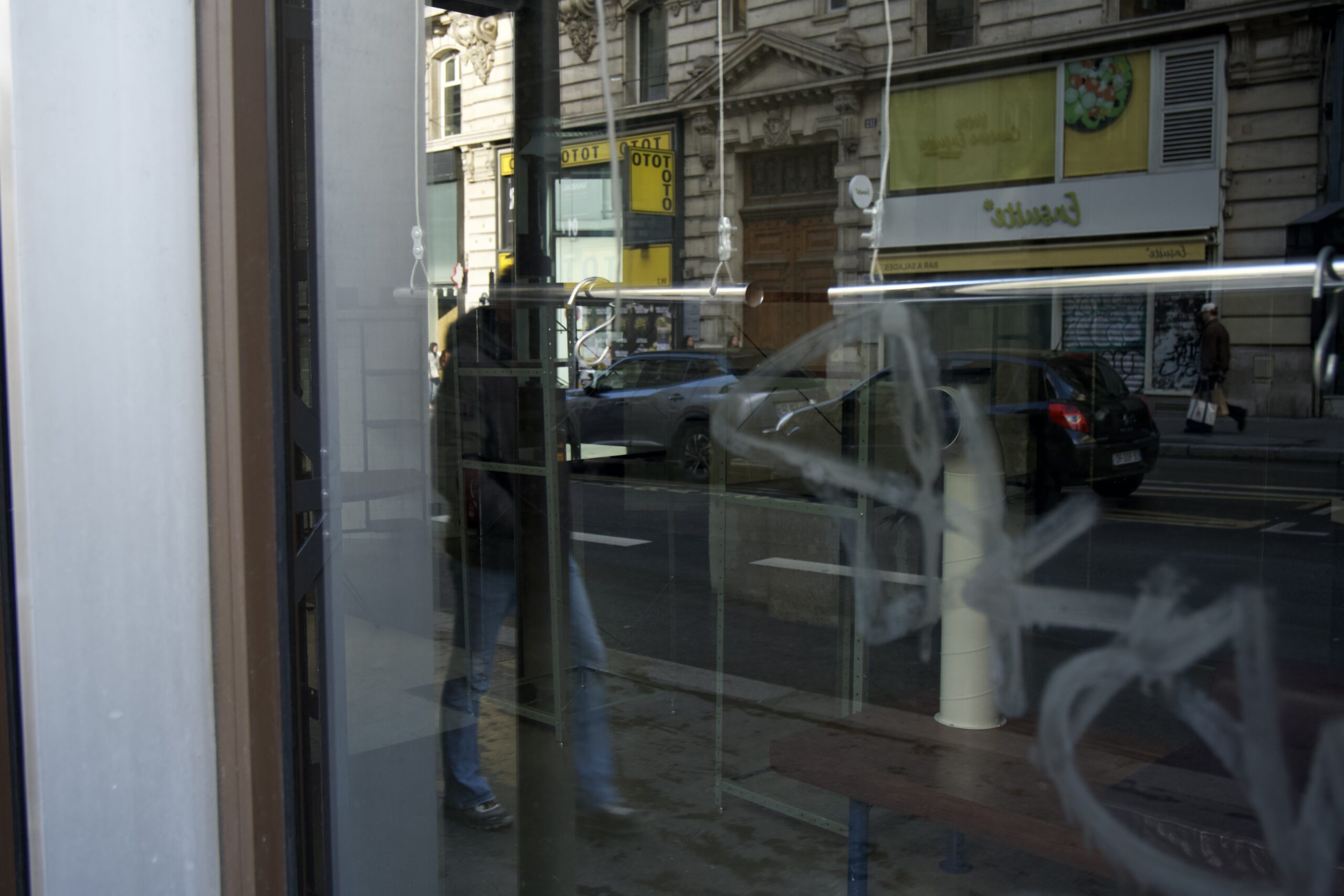
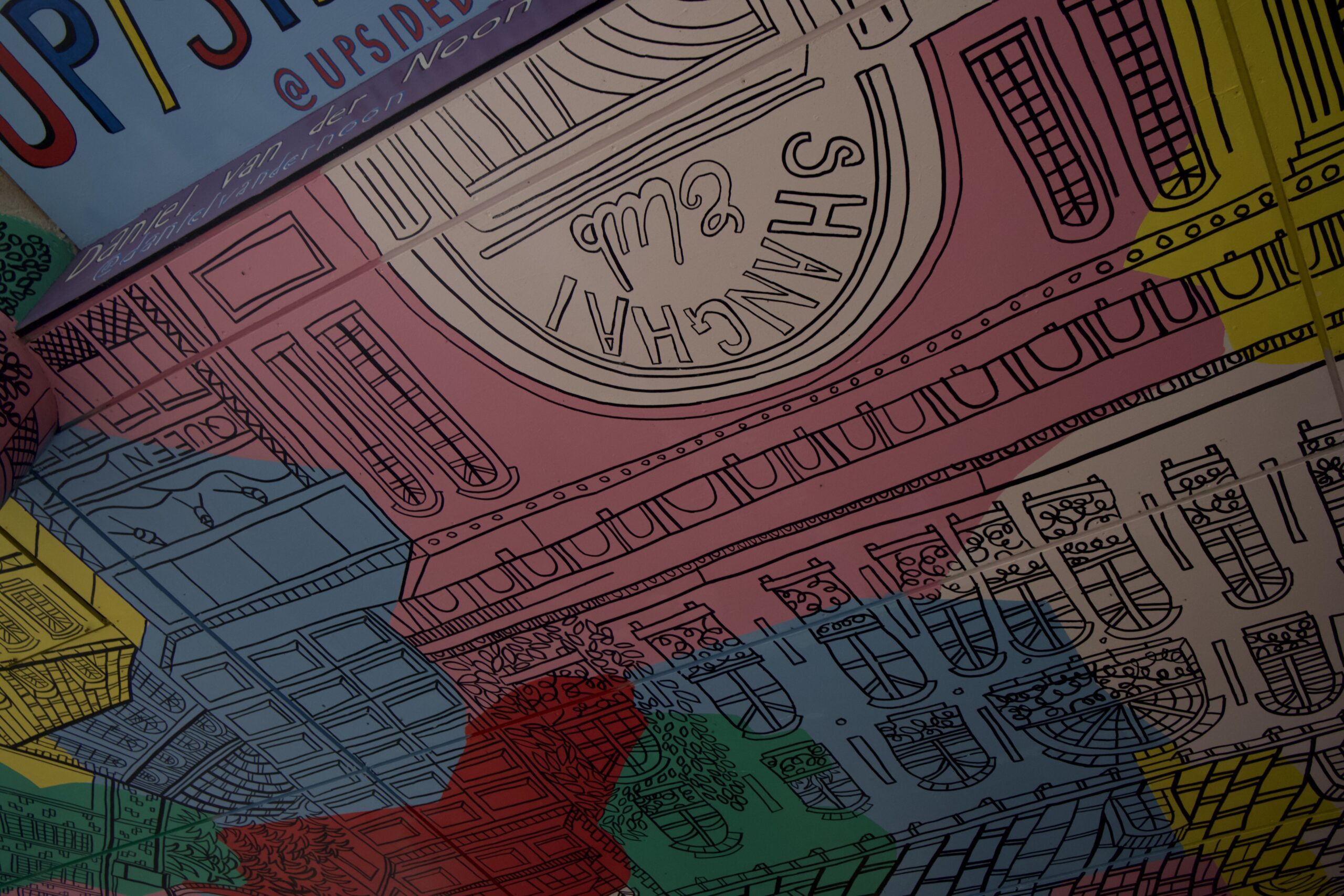
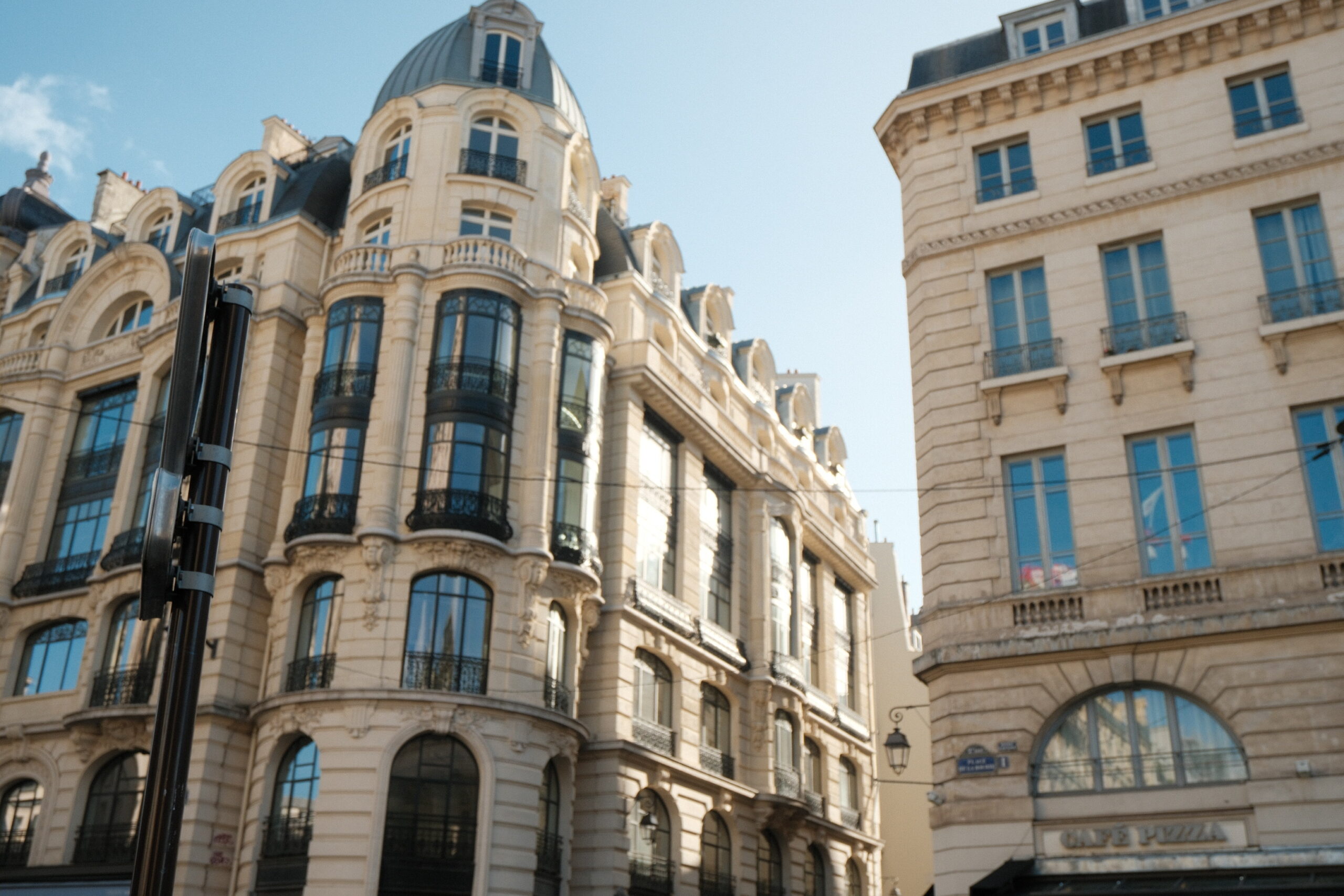
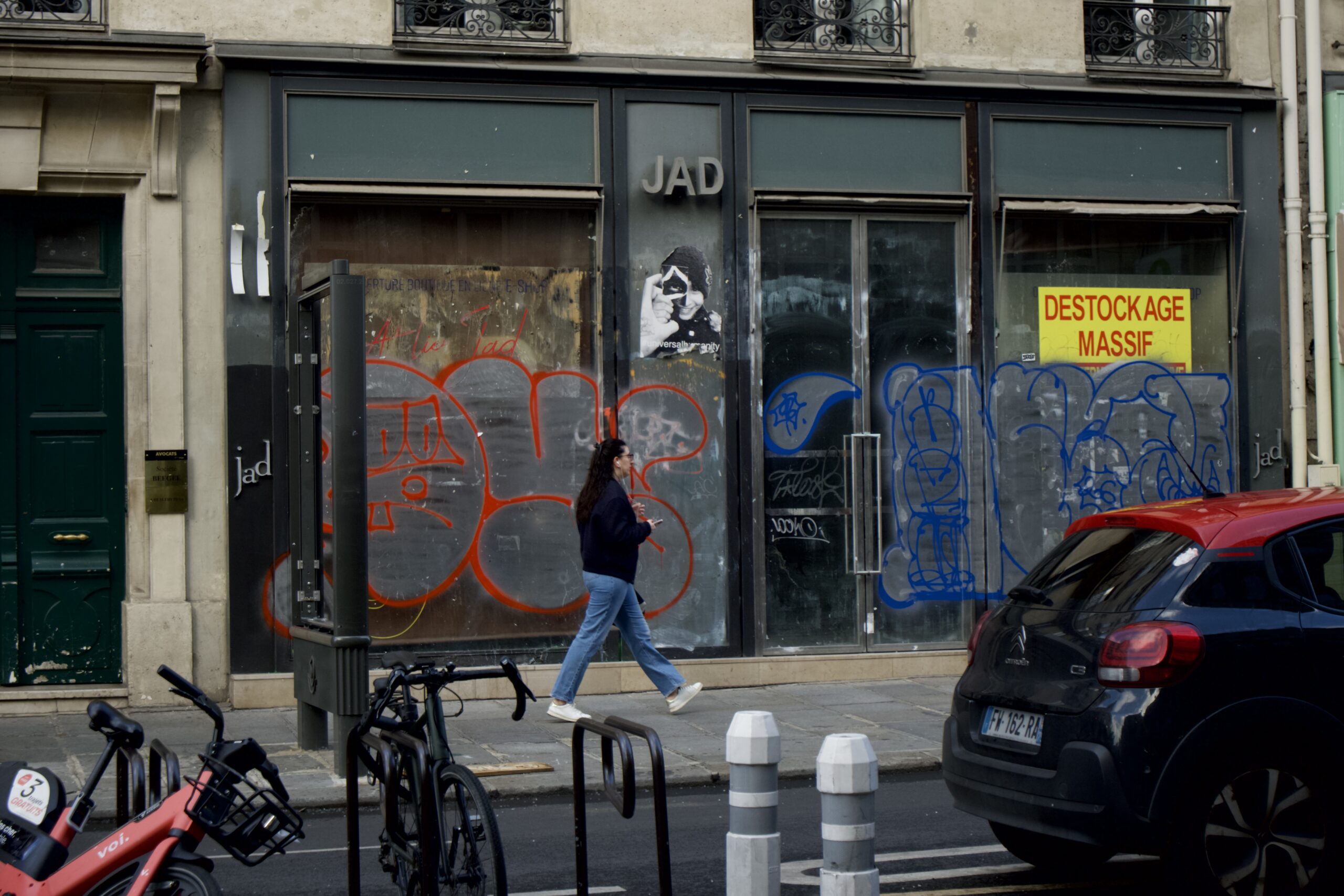
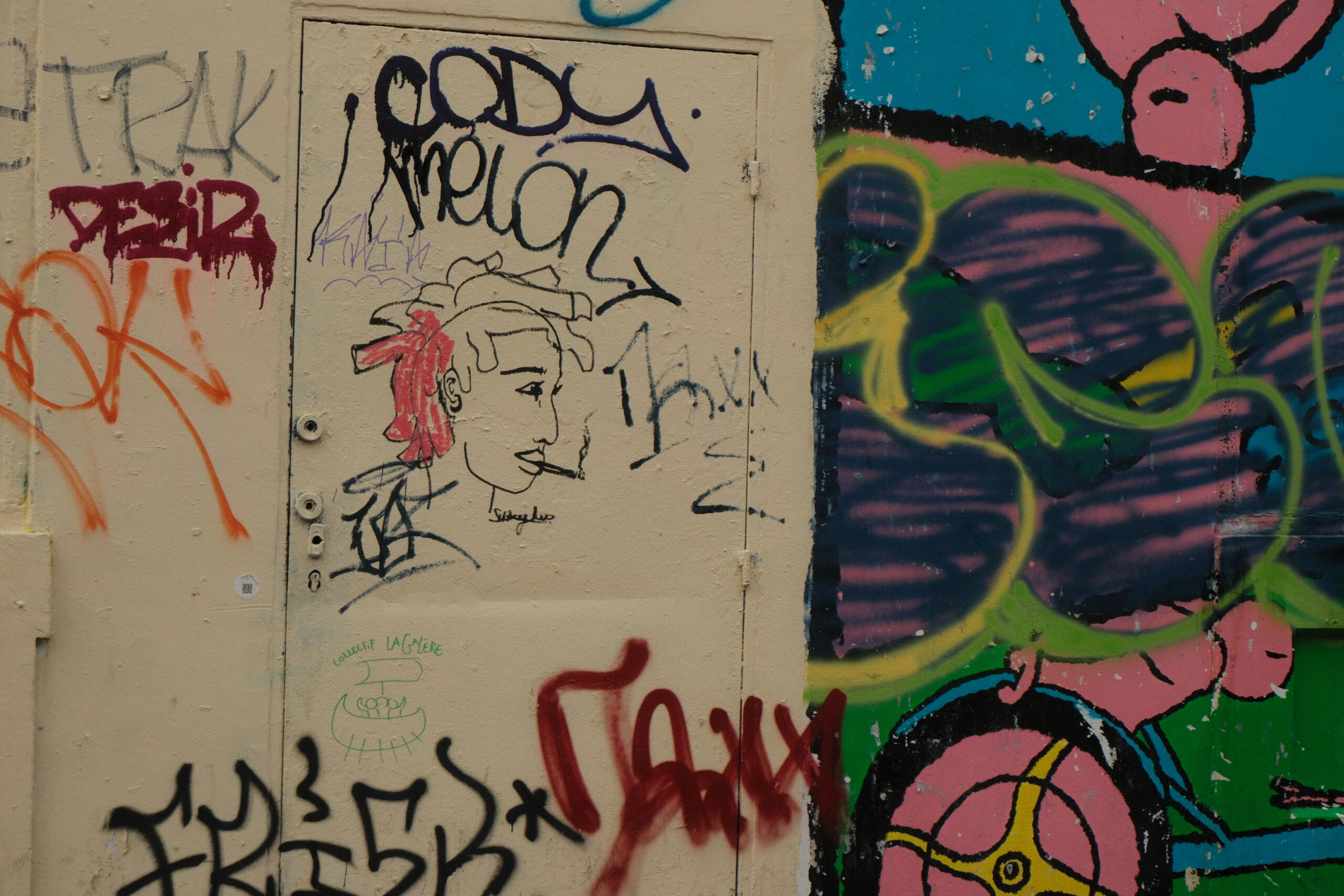
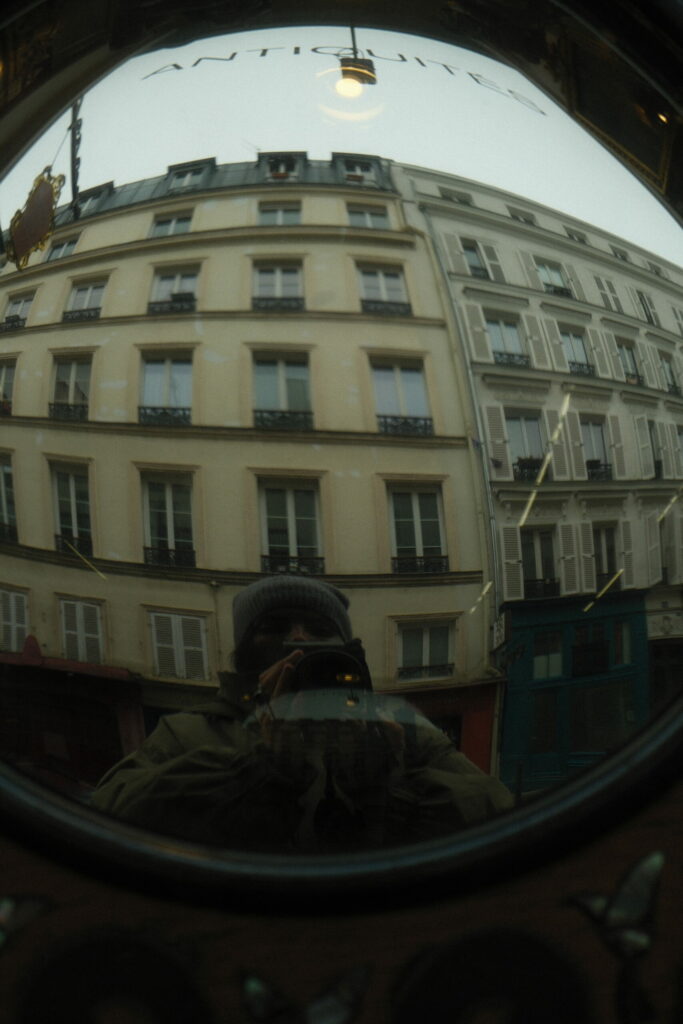
In my series on Paris, there are the neighborhoods that I find beautiful — Montmartre, les Abbesses, Pigalle or the Marais — but also the traces left on the city after the October demonstrations. Sheltered storefronts, graffiti and damaged facades sometimes appear a few meters from a street that we know by heart.
It’s not just about photographing graffiti because it’s there. I love that universe, the color and what an inscription can do to a picture. I myself tried graffiti for a while — it quickly got old — but this interest has remained. Paris is one of the most beautiful cities in the world, and it’s precisely this contrast that strikes me: it can be elegant, very raw, luminous and tired in the same day.
When I spend time in Paris, I often take my camera with me. I look at things differently and I have a greater desire to keep a record of what I see, even when the city doesn’t correspond to the perfectly smooth image that is usually shown.
A passion that is also part of my work
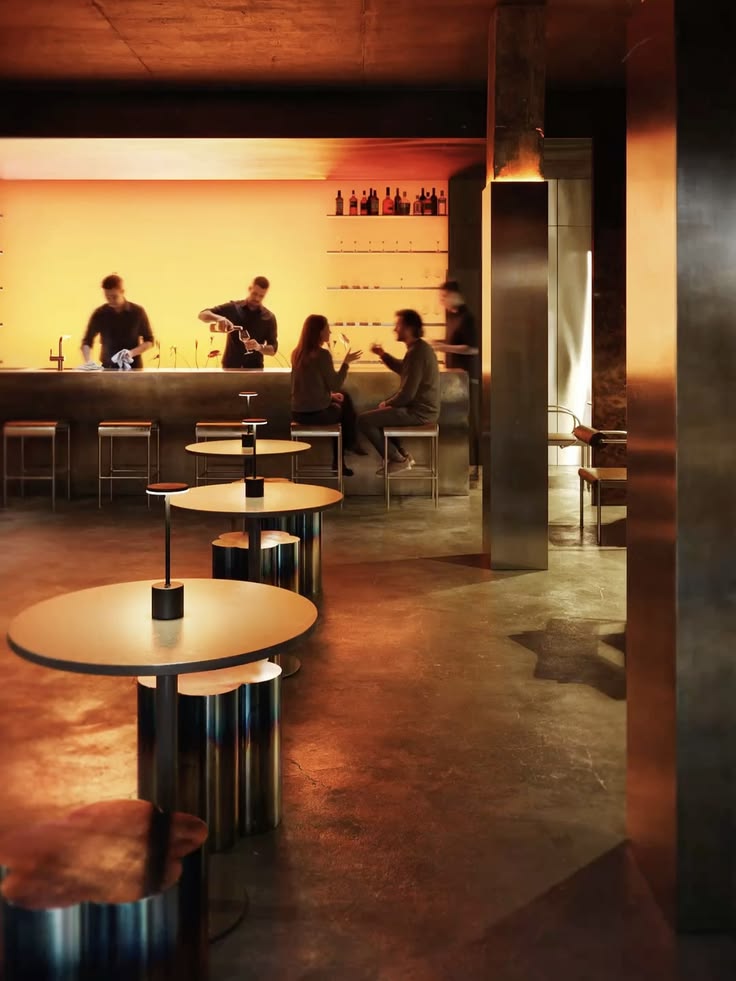
Citizen Division welcomes my personal series, but photography also appears throughout my work. When I create the website for a hotel, restaurant, or brand with Minuit d’Orsay, Often, I end up photographing the place, the dishes, the objects, and all the details that will give the project a real atmosphere.
Design inevitably influences my way of framing and pairing colors; photography, in turn, nourishes my sites. The two always complement each other. A beautiful identity accompanied by images without personality quickly loses something. That’s also why I wanted to show more of my own style, my choices, and my way of looking at places.
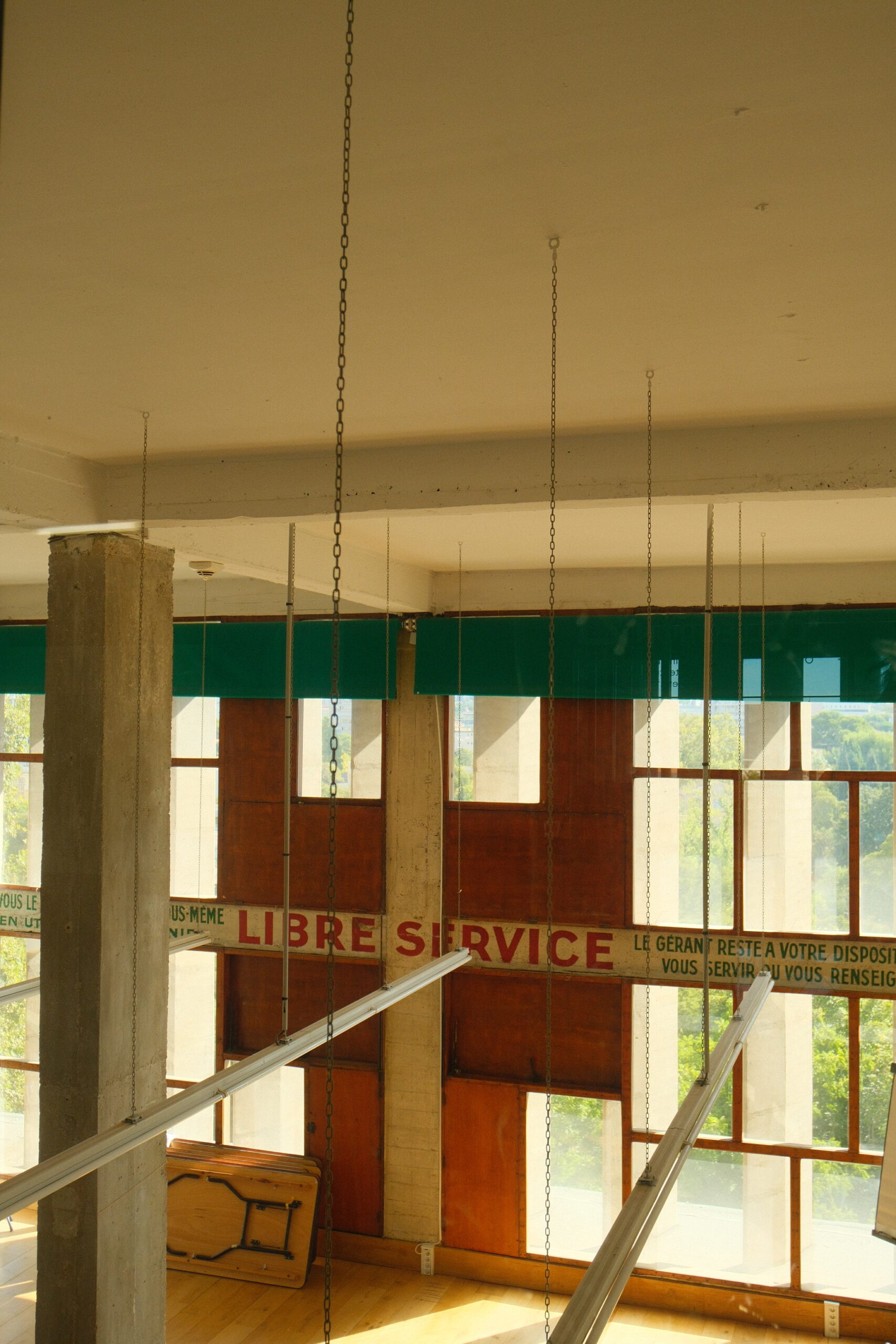
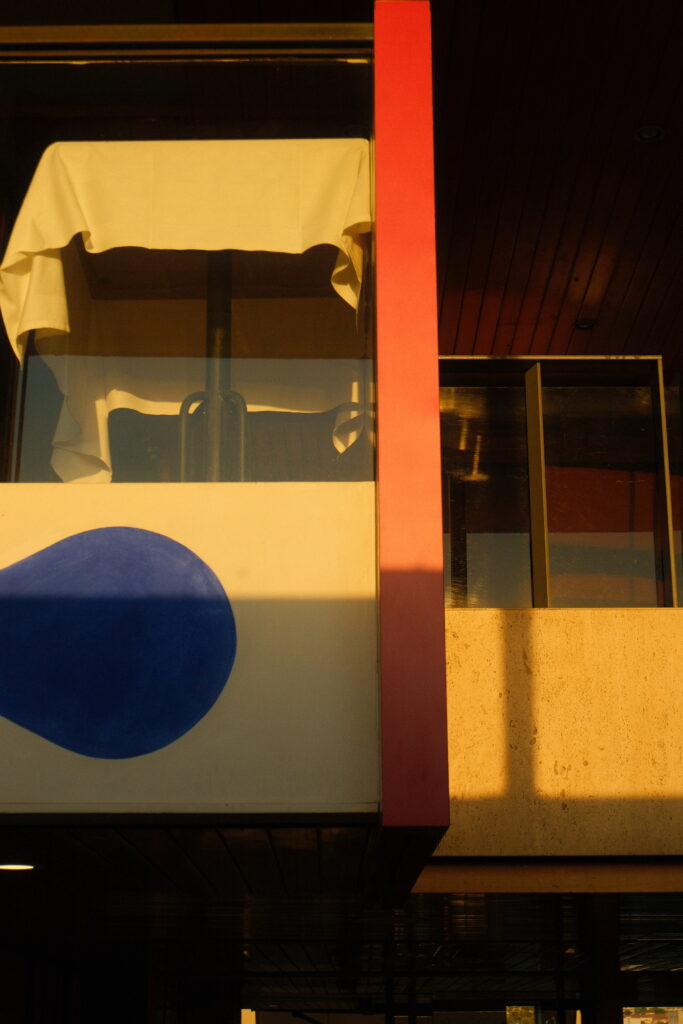
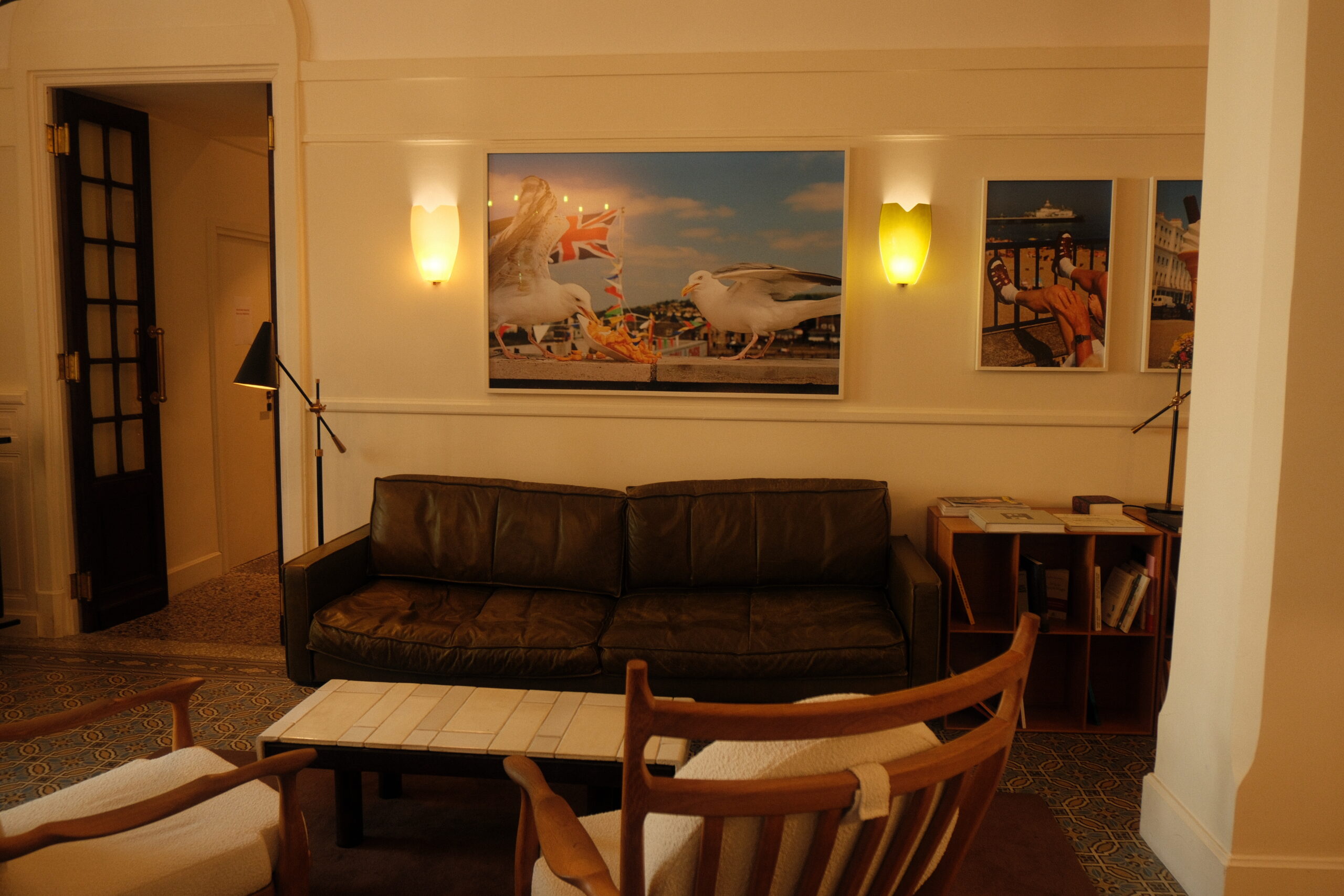
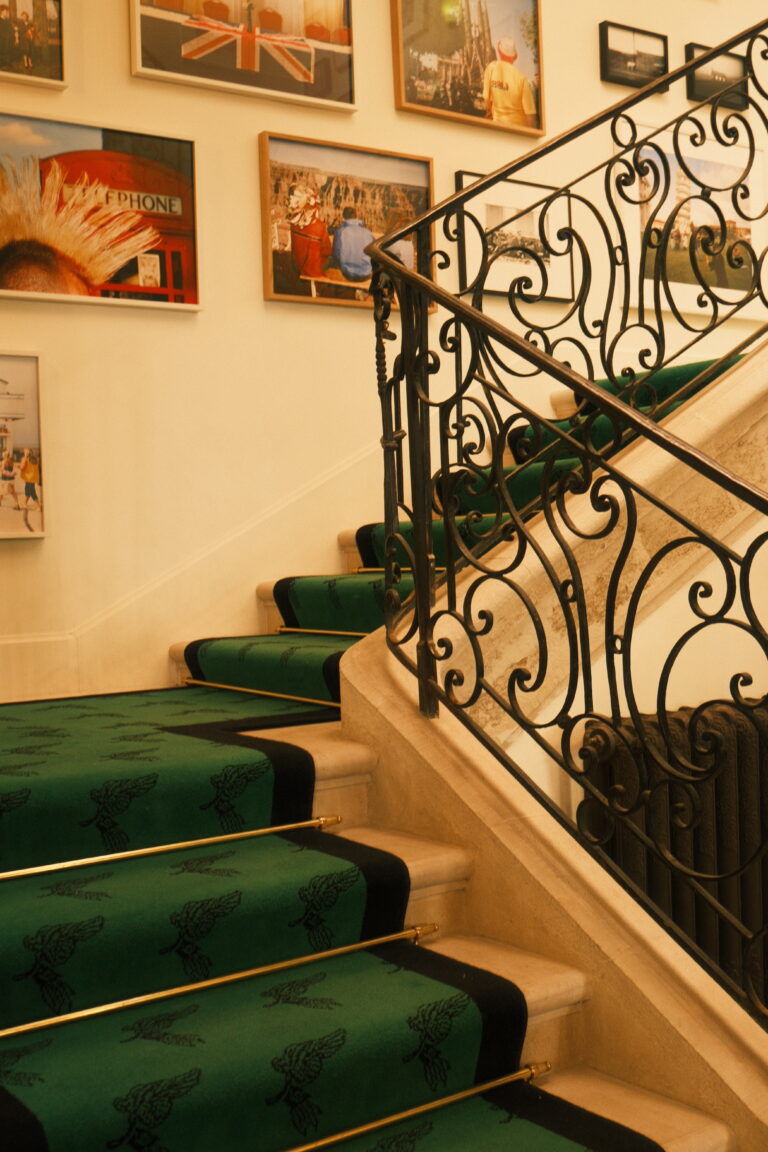
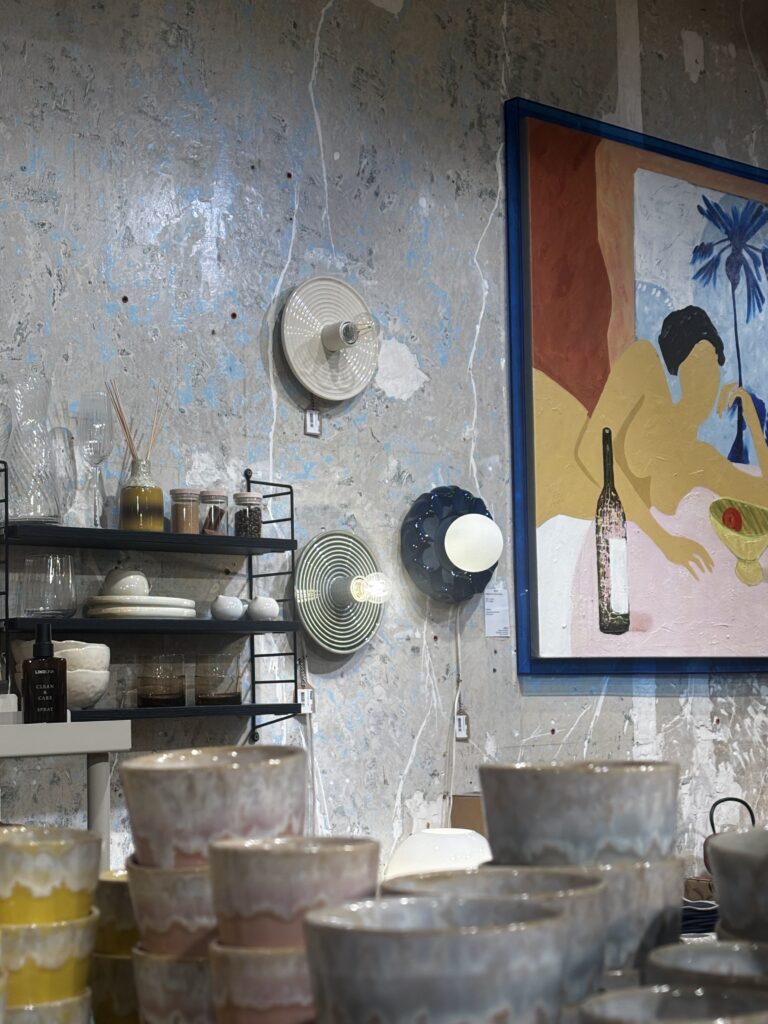
I regularly show you this look in my articles, especially during my visit to Dover Street Market Paris, But I needed a place where the images could exist on their own, without always having to accompany a text.
And now?
It was in London that I really started taking photos of everyday life. I photographed my boyfriend, the curtains, the streets, and everything that caught my eye during our walks. It was there that I decided that I really needed to get back into it and stop letting all those images sleep in my phone or in folders.
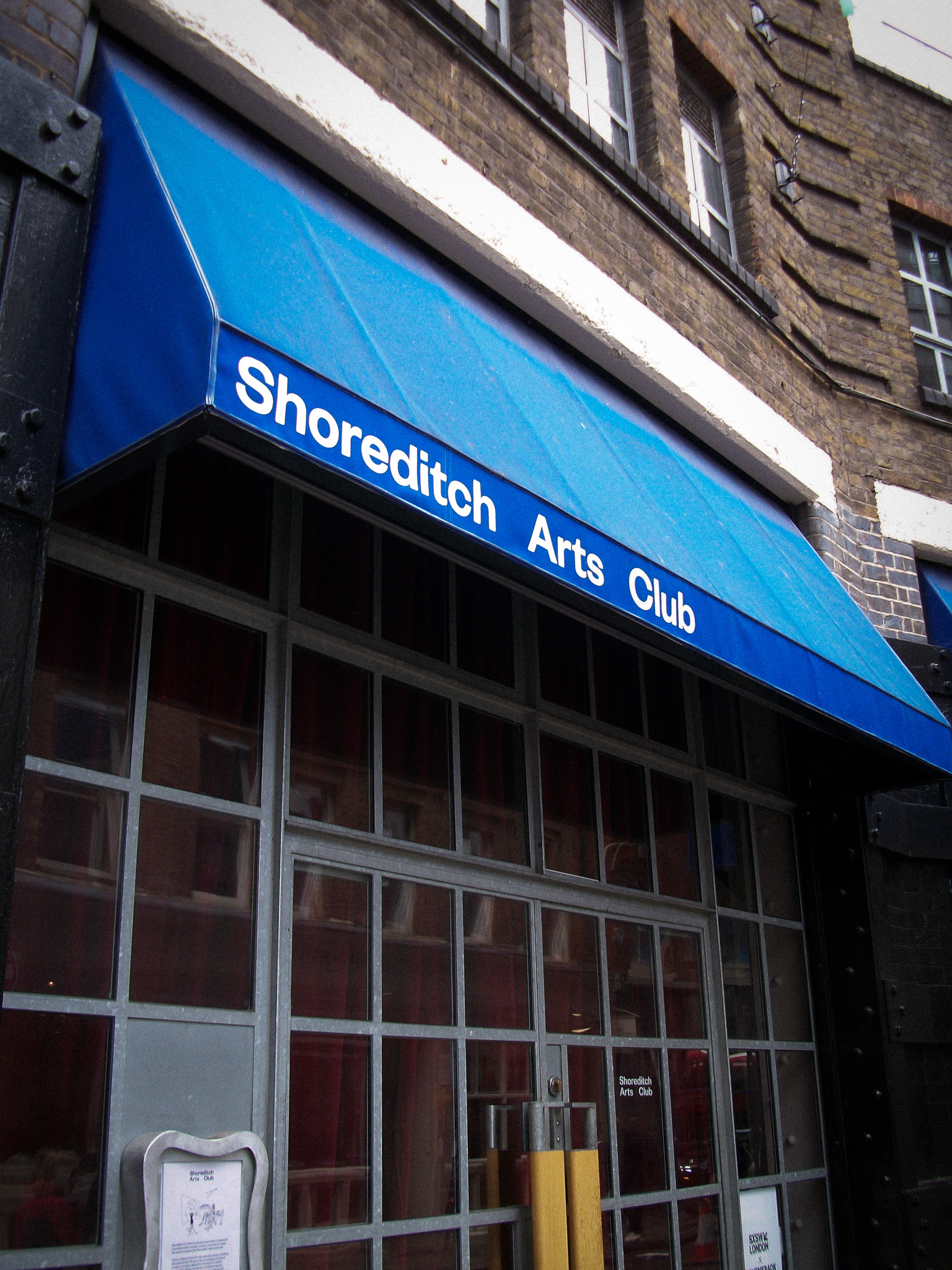
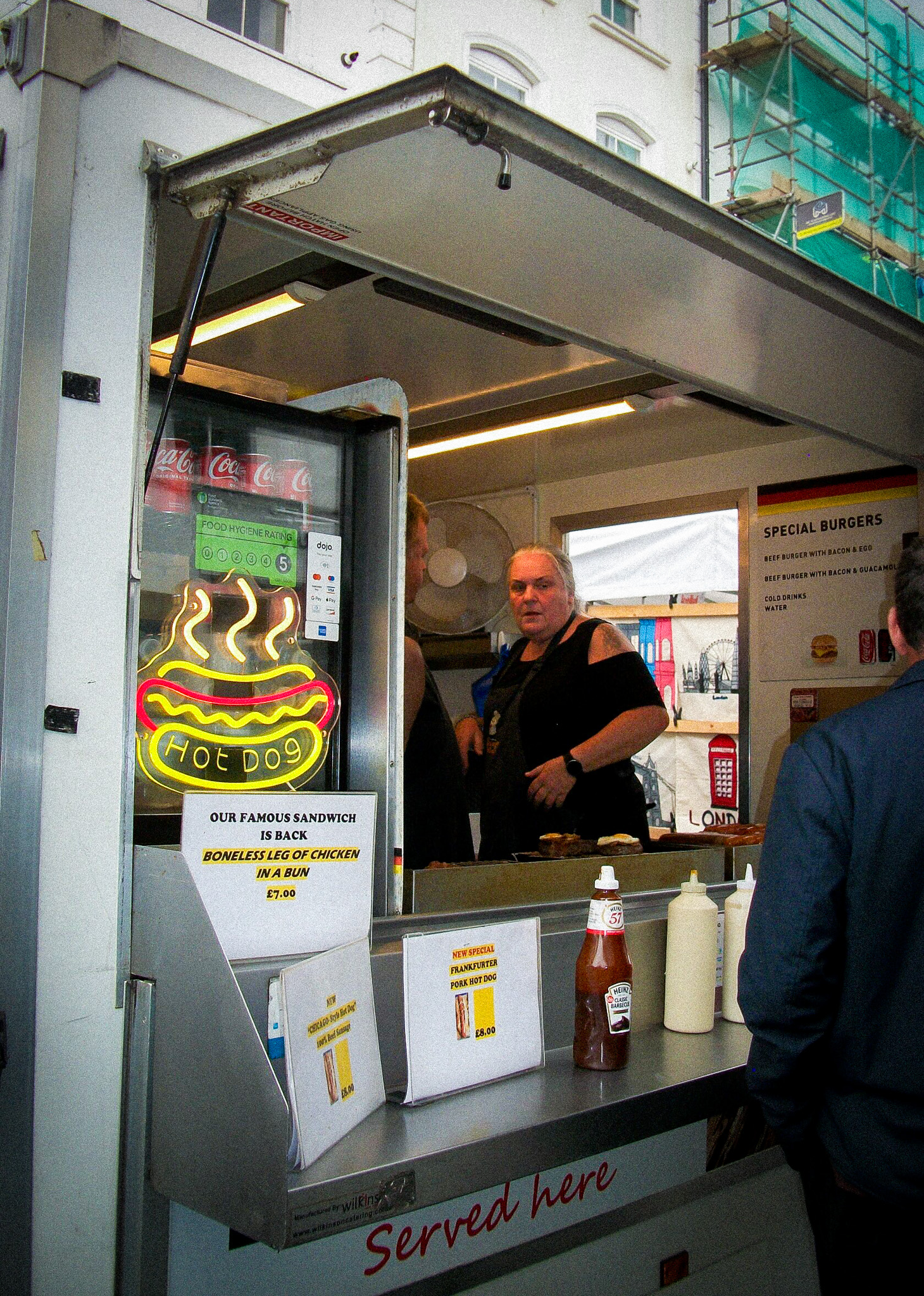
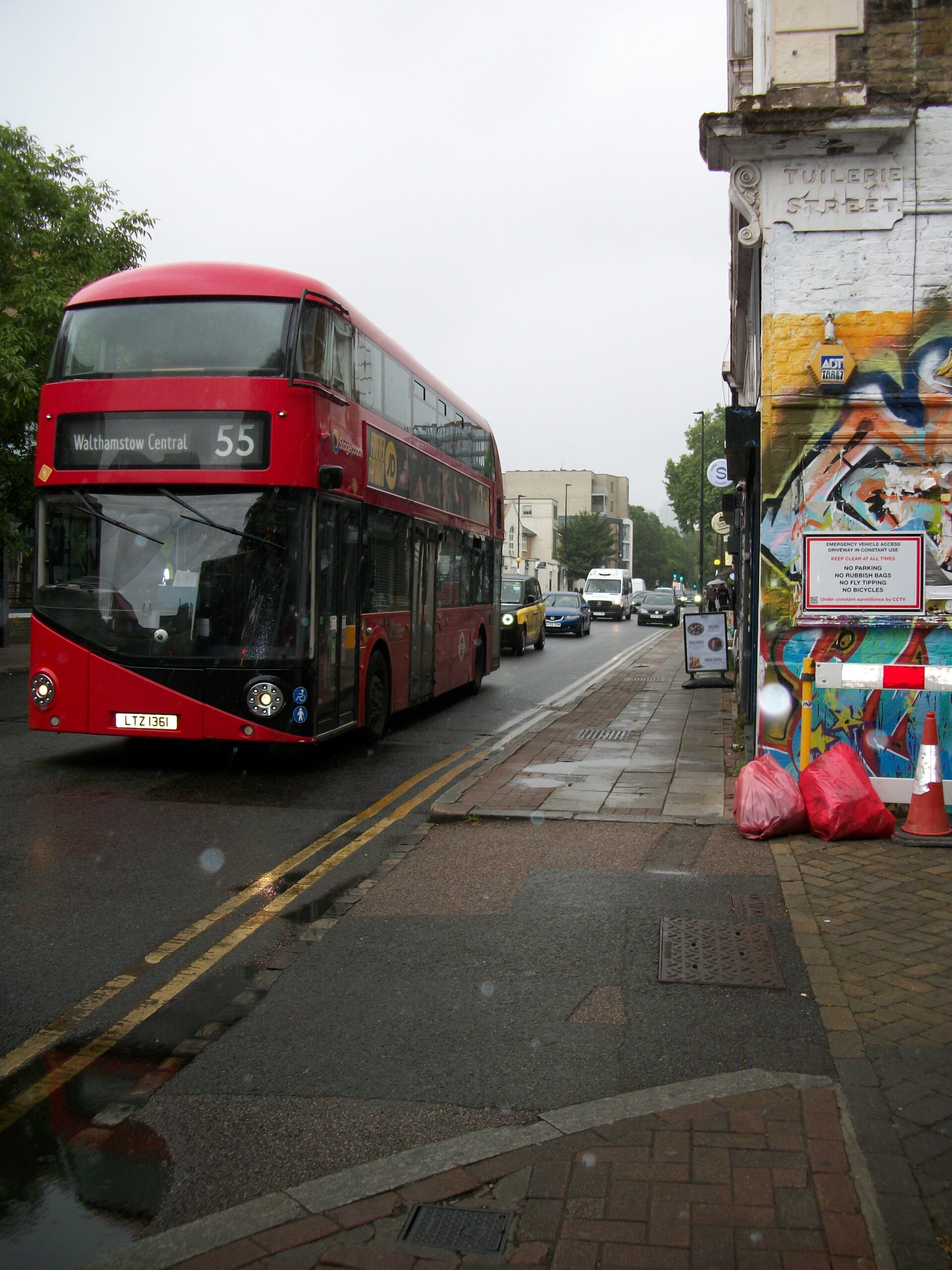
Today, I walk around a lot more with my camera. I have a Fujifilm X-M5 that I love — it’s really great — and a little vintage Kodak bought in Notting Hill that I really like the effect of. I don’t necessarily use them for the same images, but each one makes me want to look at things differently.
For a long time, I didn’t really know what to do with all those photos. Publish them on Instagram, yes, but then what? Today, Citizen Division gives them a place and finally allows me to gather the images from my childhood, my travels, my personal series, and my current work.
I would also like them to live their lives somewhere other than on a screen. The idea of a vernissage appeals to me very much, as does the idea of a magazine.
I can already imagine spending hours on the selection, layout, and paper. The advantage of being a graphic designer is that I can take care of everything; the downside is that I can also want to start all over again fifteen times.
In the meantime, you can discover my series of places, portraits and notebooks on Citizen Division. Tell me which series speaks to you the most and if you would like me to tell more stories behind some of the images here.

2 commentaires
Be the first to leave a comment.