Hello everyone,
I wanted to talk about website costs because it is one of the first questions that comes up when you start a project. A quick search brings up every possible figure: £500, £1,500, £5,000, £10,000, sometimes for websites that can look surprisingly similar at first glance.
So why such a difference?
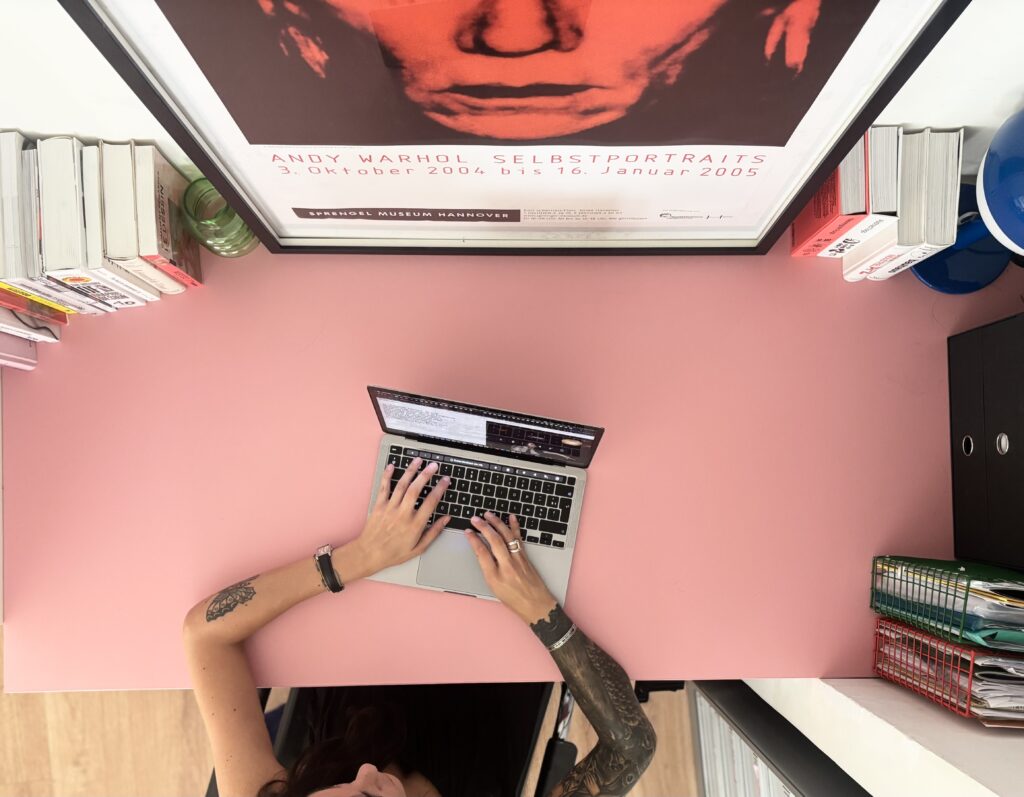
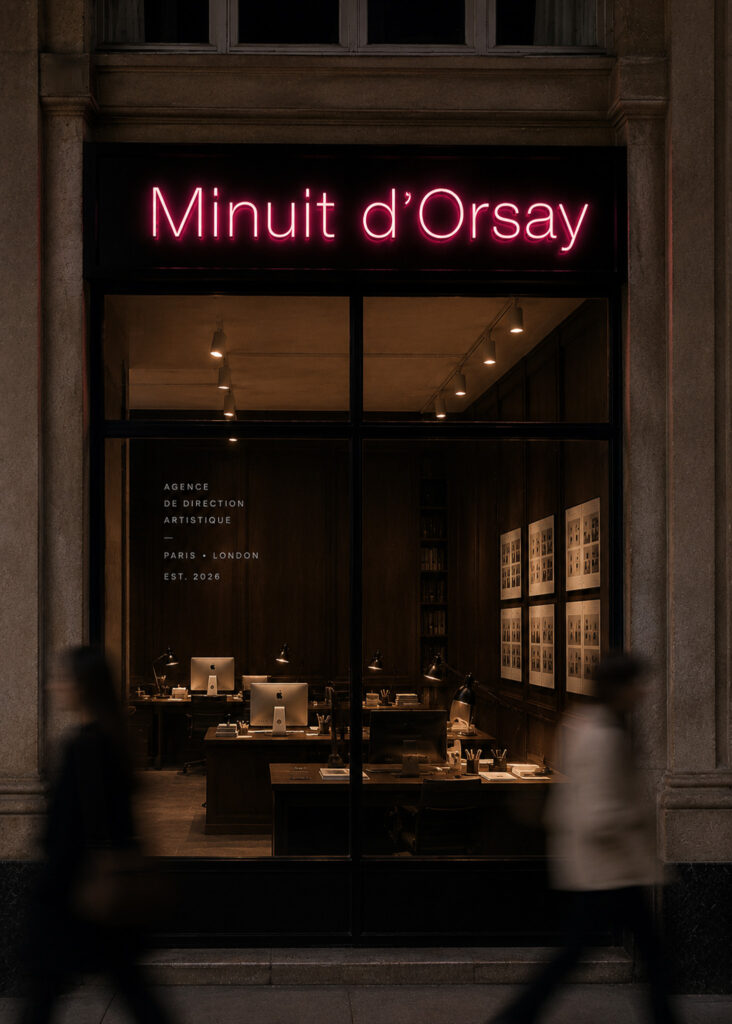
I am spending more and more of my time designing websites through Minuit d’Orsay , and I find the subject genuinely interesting because the value of a website cannot be measured by its page count alone. There is what you can see, of course, but also dozens of quieter decisions that make a site pleasant to use, coherent, recognisable and somewhere people actually want to stay.
With AI now part of the conversation, the question has become even more relevant.
Has AI made building a website easy?
Yes and no.
I love using AI and think it can be brilliant at the beginning of a project. It can help gather references, test an atmosphere, organise ideas or give visual form to something that is difficult to explain.
When somebody shows me generated images, colour tests or a particular atmosphere and says, “I love this part, but not that one”, I can understand their vision much faster. In that context, AI becomes a useful way to communicate a direction.
But expressing a direction and delivering the finished project are two very different things.
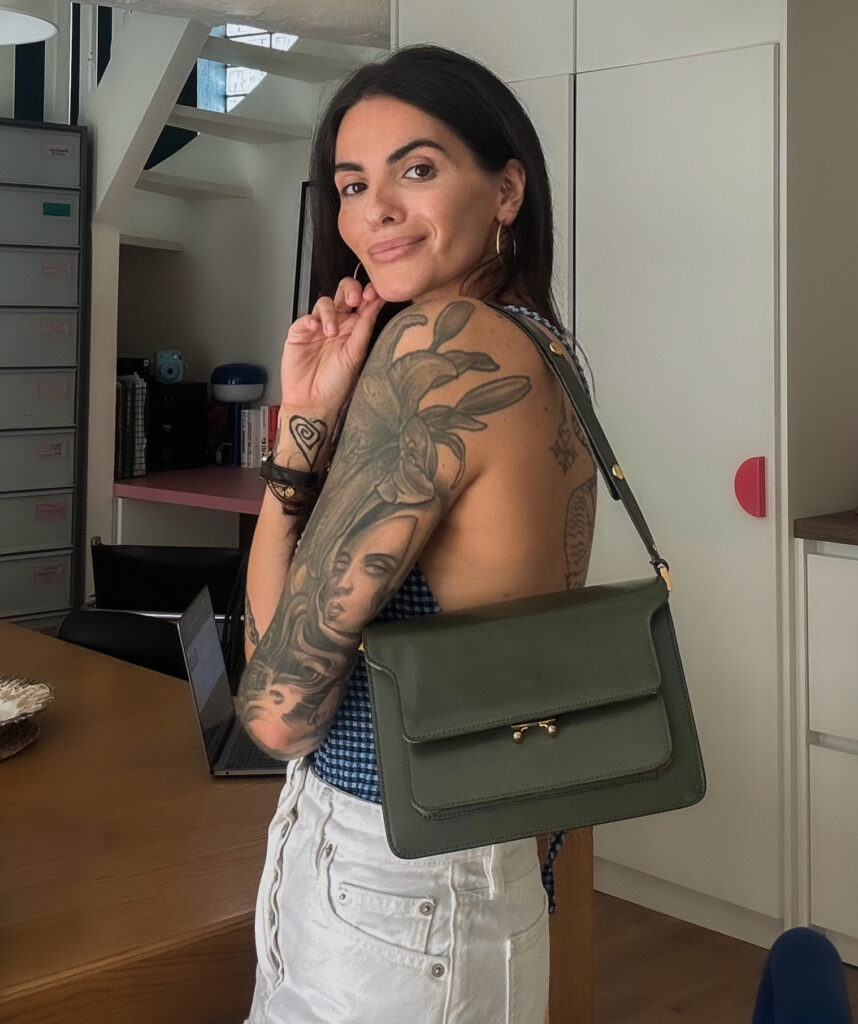
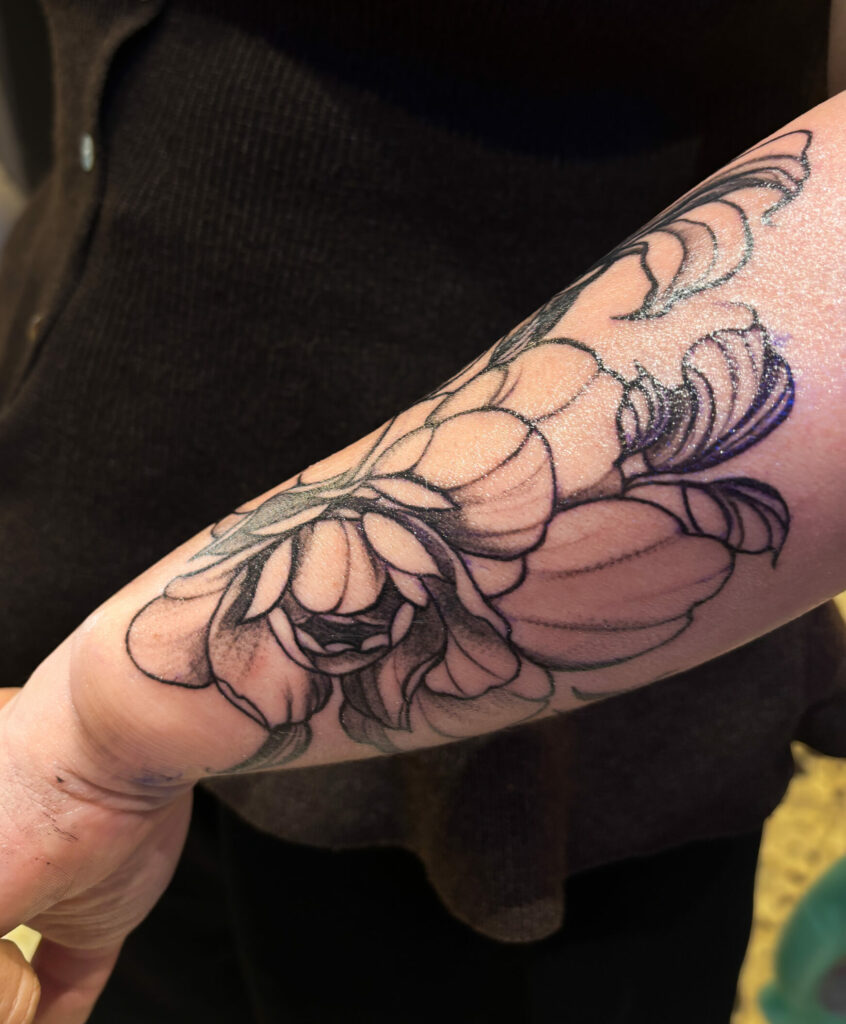
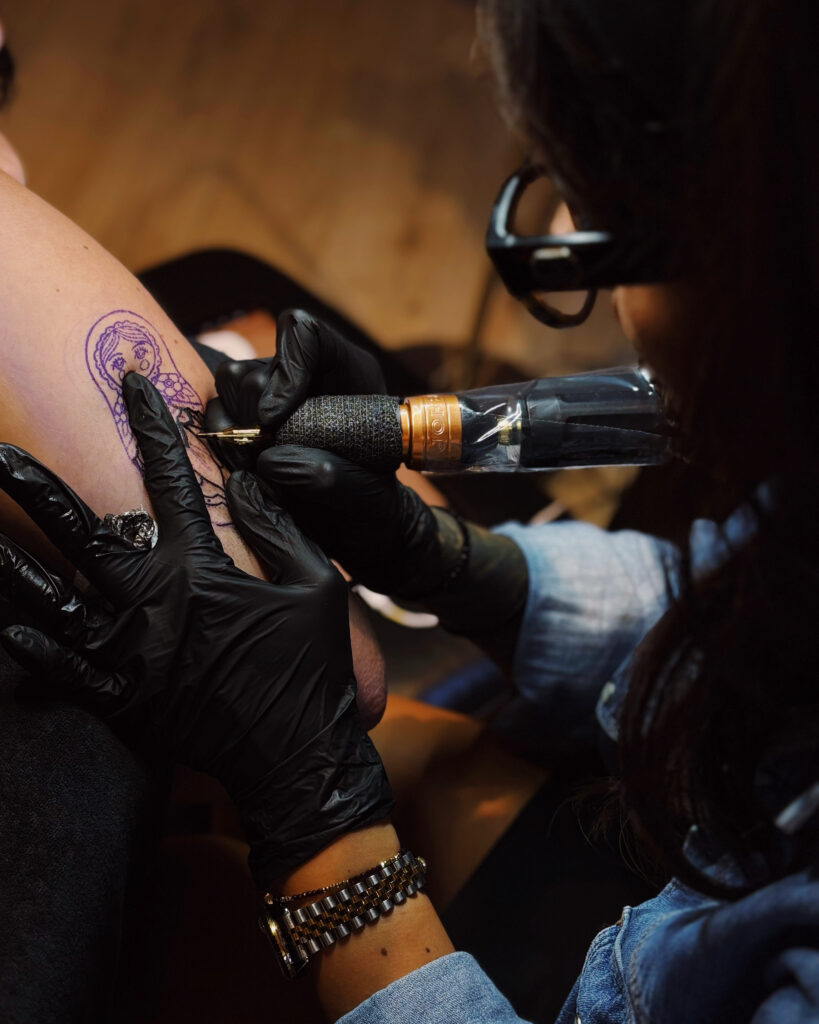
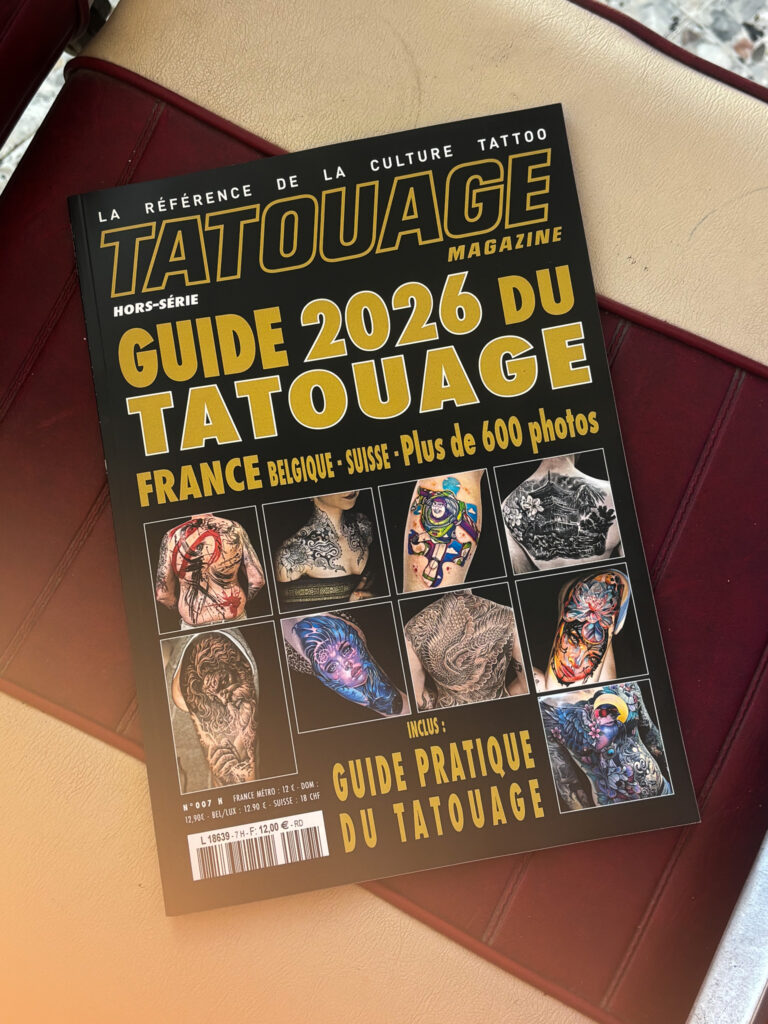
Tattooing is the clearest comparison for me. You can generate an image to show your tattoo artist what you have in mind, and it may be useful for visualising a composition or mood. But AI is still not the one picking up the machine and executing that tattoo properly on your arm.
Art direction in web design works in much the same way.
Making an attractive homepage image is one thing. Planning the navigation, deciding what visitors need to see first, making the site work beautifully on mobile, selecting type, building every page, refining interactions and keeping the entire experience coherent is another.
More importantly, do we really want to look like everybody else?
That is the part I find most interesting. You can already recognise so many visuals made with the same tools: the same effects, compositions, characters and moods. They may look nice, but sometimes you could replace the brand name and use the exact same image somewhere else.
And I think that's a shame.
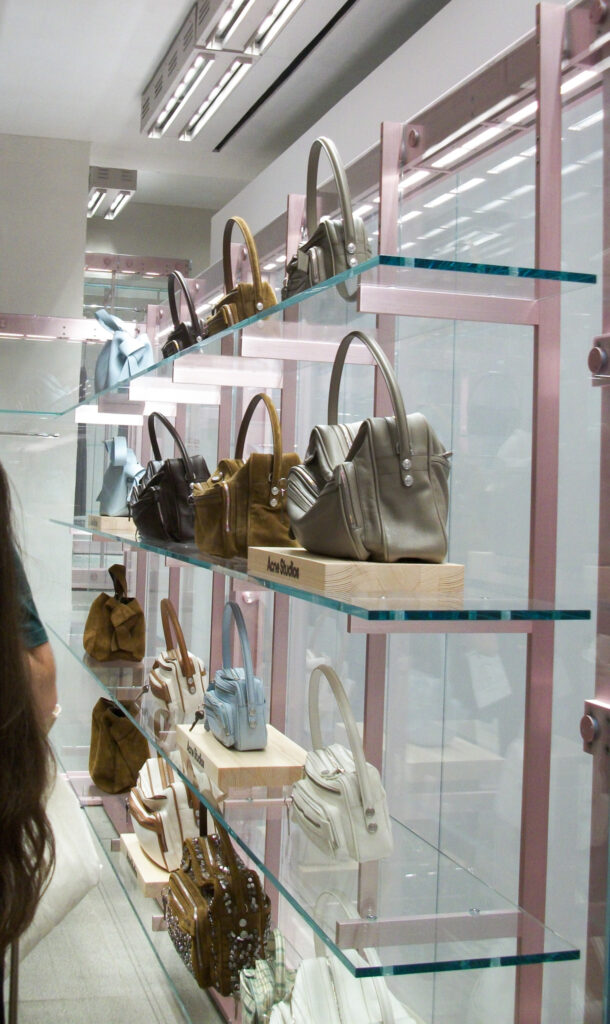
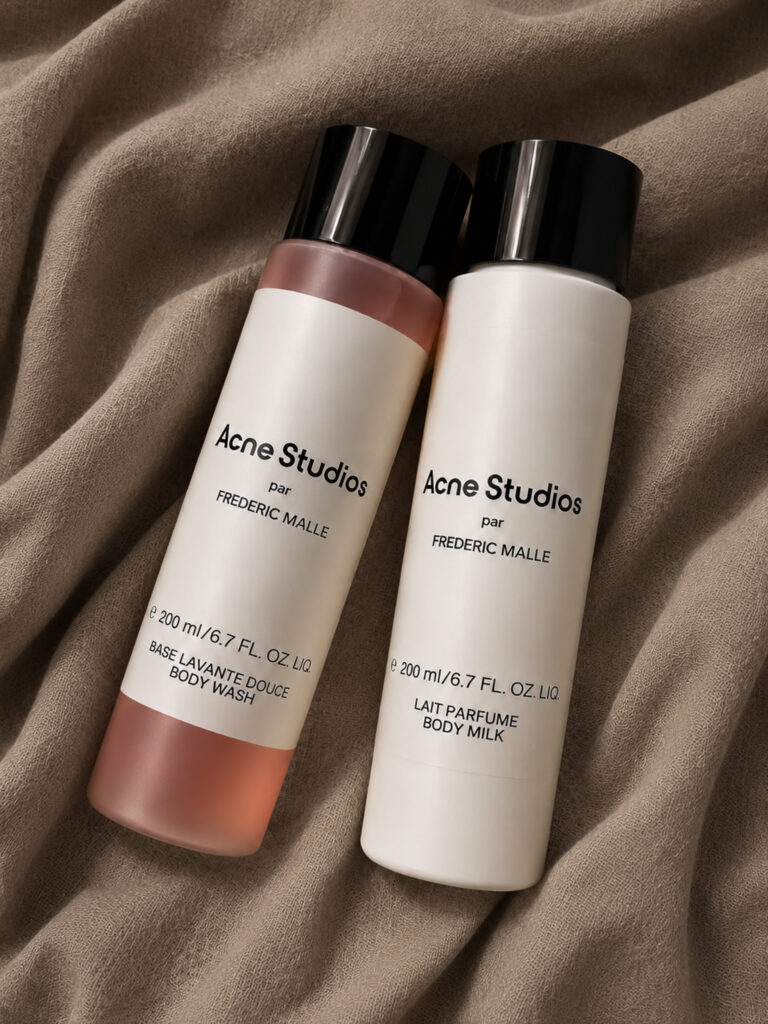
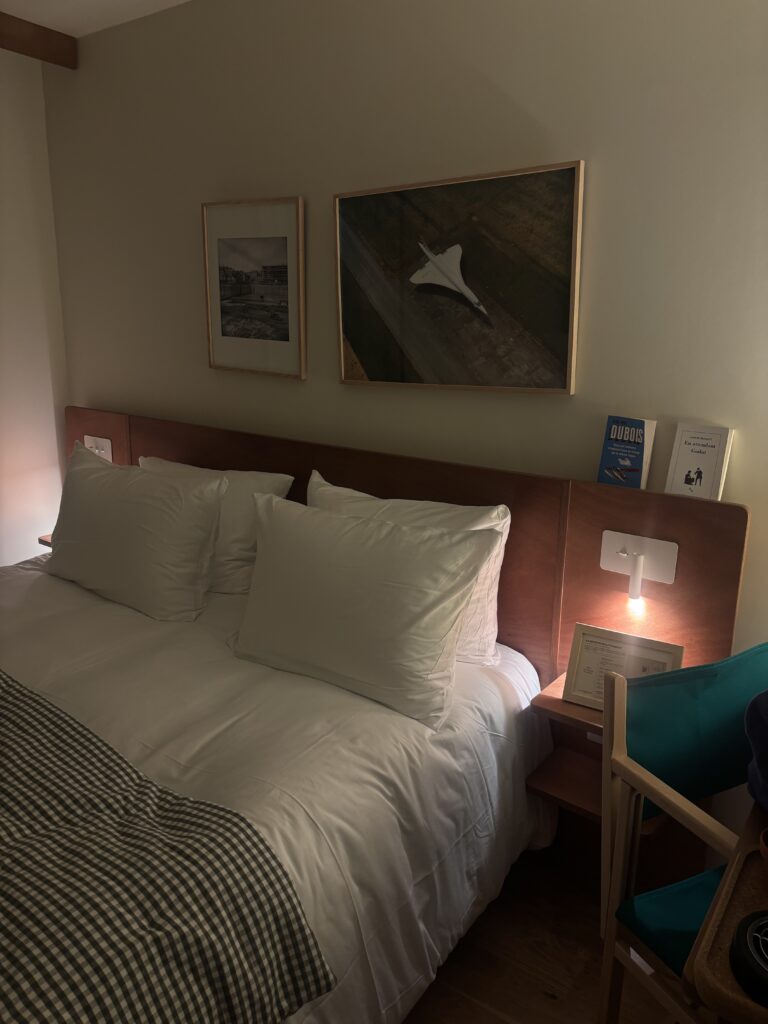
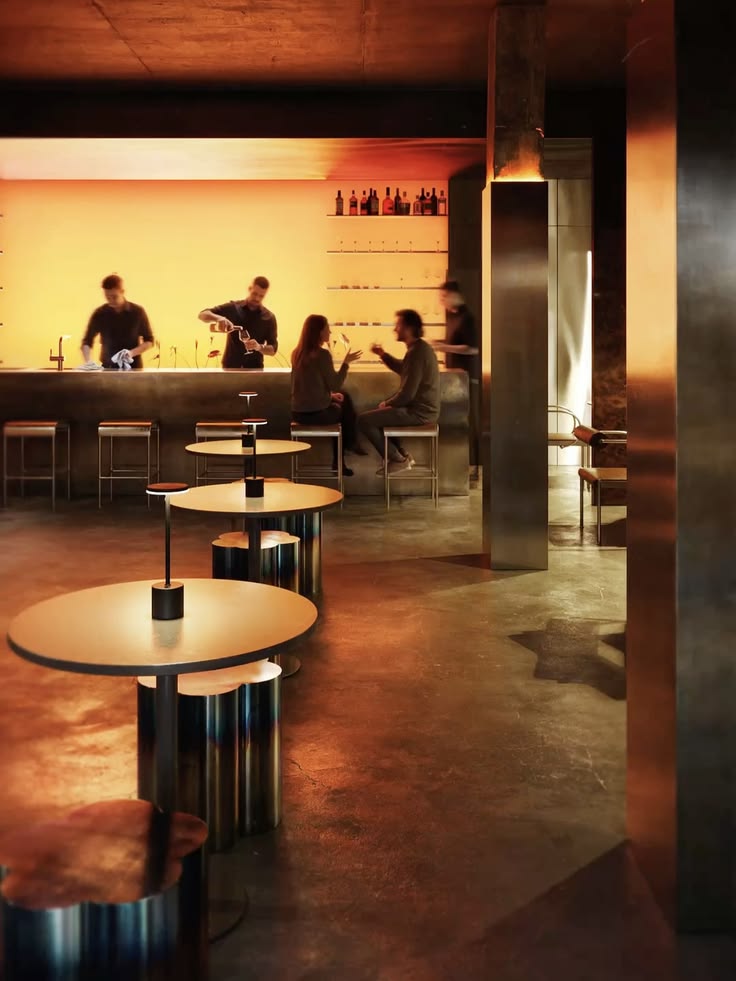
When I think about places or brands with a genuinely distinctive identity, I immediately think ofHôtel Costes, Experimental Marais, Acne Studios, Aesop or American Apparel in its original era. You do not need their name written in enormous letters to know where you are. The photography, colours, type, materials and presentation all belong to the same world.
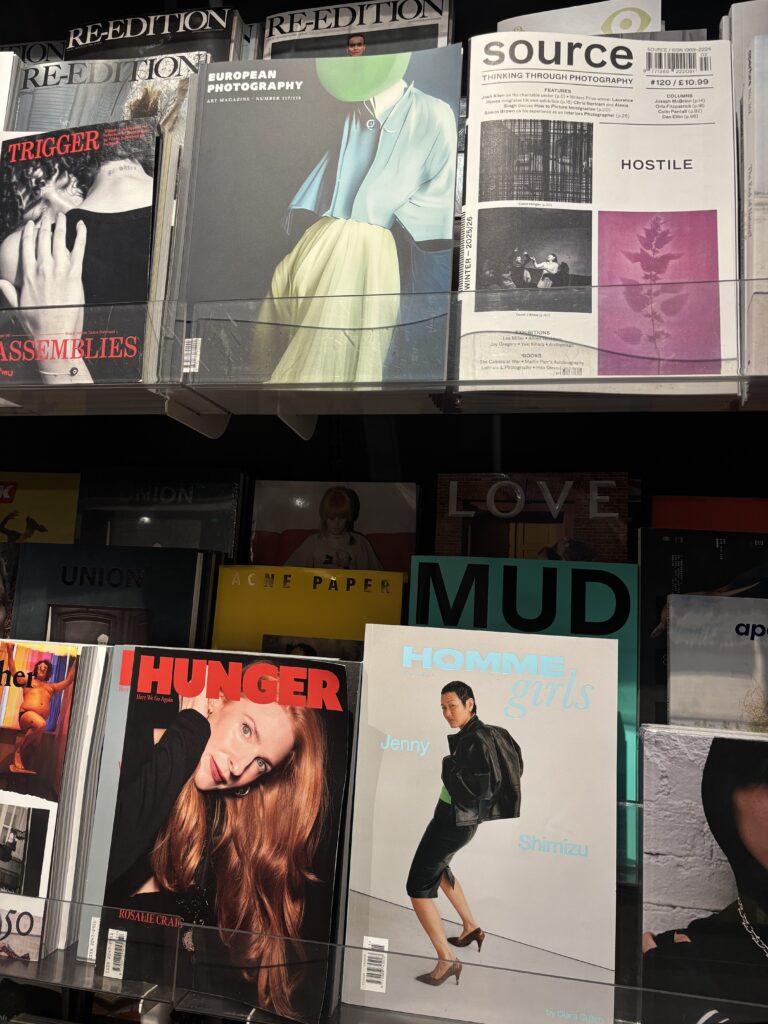
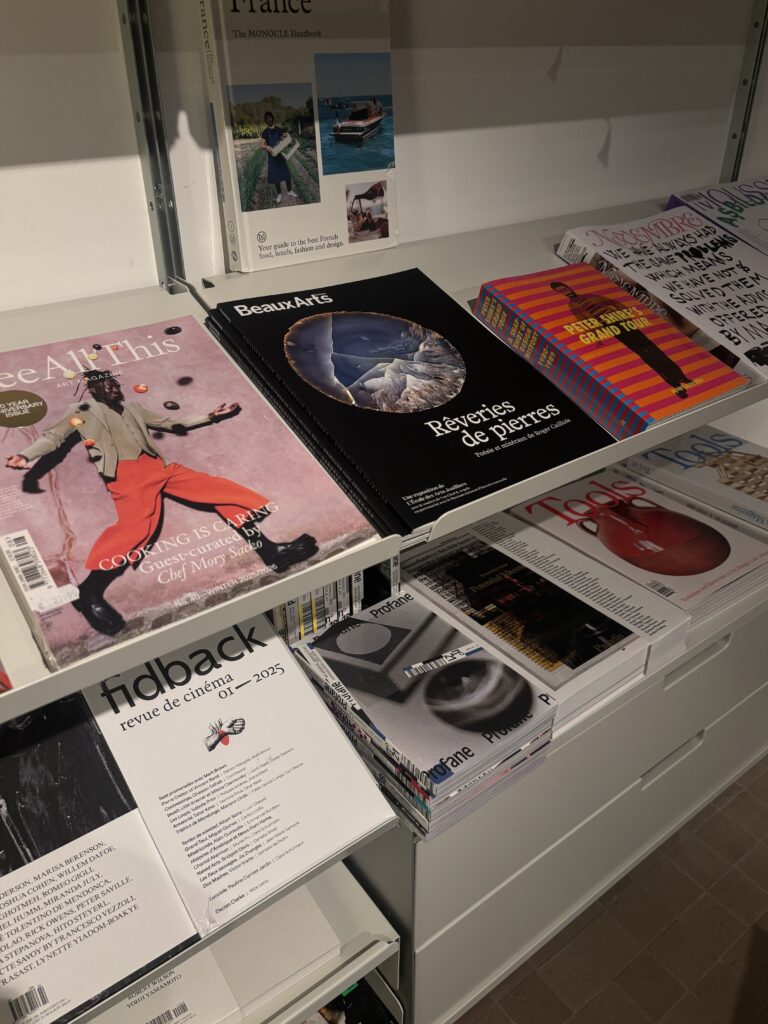
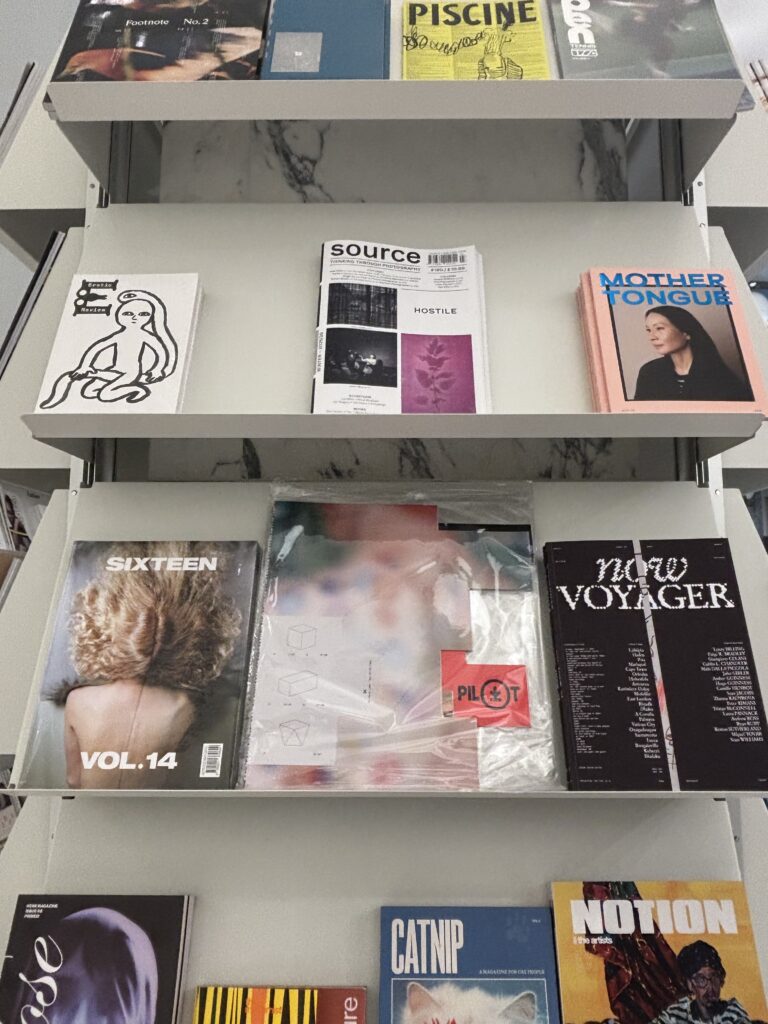
That is what interests me about design. I do not want to make something that is only pretty for five minutes. I want someone to land on a page, see a poster or recognise a photograph and think almost immediately, “Yes, I know who this is.”
A restaurant, hotel, café, shop or independent venue with a real personality should create that same feeling. If you have spent years choosing the furniture, tableware, products, music, lighting and way you welcome people, your website should not become the generic part of the project.
That is why I see AI as a useful tool, but never the answer to everything. It can help find a starting point or visualise an idea. Then somebody still has to make decisions, remove what is unnecessary, refine the details and sometimes begin again. That is the work that stops every brand looking the same.
Ultimately, that is what we want when building a brand or a place: to be recognised before anybody has even read the name.
Why does one website cost £500 and another several thousand?
It always makes me think about tattooing.
For years I heard, “Yes, but another tattoo artist quoted me £50.” Or somebody would arrive with a full-sleeve project after being quoted £500 elsewhere.
Right.
A full sleeve for £500 is not realistic unless somebody is essentially working for free. When two services have completely different prices, there is usually a reason.
Websites are no different.
There will always be somebody cheaper, a low-cost template, an automated platform or someone promising the entire project in a few hours.
That may be perfectly suitable for some projects. It is simply important to understand that it is not the same service.
I have always believed that beautiful things have a price
I notice it with almost everything.
I can look at two very similar jackets and, naturally, the one with the proportions I find perfect will be the expensive one. The same thing happens with furniture, lamps, shoes and collectable pieces.
And for a long time I wondered why.
When you look properly, though, they are never identical. The proportions are better, the material feels different, the finish is finer or one detail has been handled more thoughtfully. It can be almost imperceptible, but that tiny difference is often what makes one piece brilliant and the other merely resemble it.
I believe good design has a price. So does quality.
That does not mean everything expensive is beautiful or everything affordable is bad. Precise work takes time, experience and close attention, so it inevitably carries a cost.
If I fall in love with a piece of designer furniture and cannot afford it yet, I would rather wait, save and buy it later than immediately choose an imitation I will eventually want to replace.
I have exactly the same vision for a website.
That approach to design is exactly why I created Minuit d’Orsay. I explain why I launched my web design studio in Paris if you would like to know more about the project and where I want to take it next.
What does a hospitality website actually need?
Not necessarily fifty pages.
For a restaurant, hotel, café or shop, I often prefer something relatively simple but exceptionally well considered: a few strong images, clear navigation, essential information available immediately and, above all, a personality of its own.
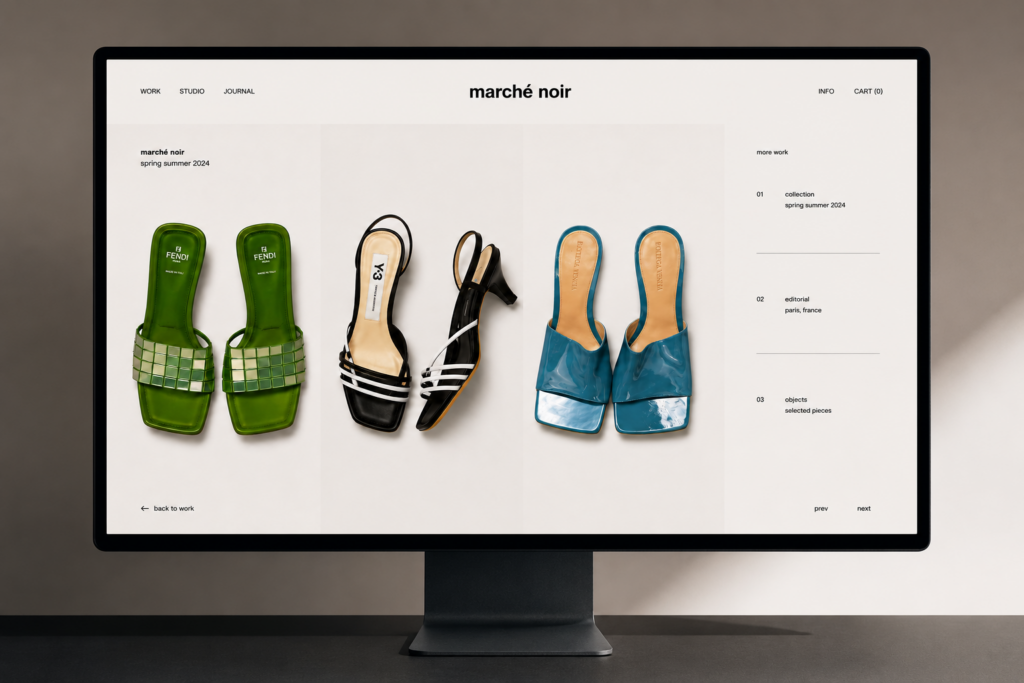
If I search for a restaurant on my phone, I want the menu, address, opening hours and booking link within seconds. I do not want to hunt through an Instagram Story from three weeks ago.
Simplicity does not mean less work.
Doing simple well is surprisingly difficult. You have to decide what deserves attention, in which order, with which image and at what pace. For me, that is where web design becomes genuinely interesting.
So, what should you budget for a website?
The first question is what you genuinely need the website to achieve.
If you simply need a few details online, there are accessible solutions that may be more than enough.
If you want to build a distinctive world and a website that genuinely reflects your venue or brand, more work is involved. Art direction, structure, mobile design, typography, photography, animation, languages, bookings and SEO all influence the final quote.
That is why I approach every Minuit d’Orsay project as an individual place or brand rather than applying the same formula repeatedly. I work with clients in Paris and remotely, while actively developing the studio towards London and the wider UK.
I have no desire to make ten identical websites.
What I love is finding the detail that makes yours memorable.
That is what you are really paying for when you hire a designer: not simply somebody who can place words and images on a page, but somebody who understands your world and gives it a form other people will recognise.
With so much competing for our attention now, looking beautiful is no longer enough.
You also need to be remembered.
The cost depends on the level of customisation, number of pages, functionality, visual identity, mobile experience, SEO and content. A simple website can remain relatively affordable, while a genuinely bespoke project requires more strategy, design and production time.
Not really. AI can help explore a direction, generate ideas or visualise an atmosphere, but it cannot replace human judgement, coherent decision-making, careful execution or a real understanding of a place and its customers.
There are plenty of tools for building a simple website yourself. Once you need something distinctive, coherent and recognisable, the work becomes more complex. A web designer considers the structure, imagery, typography, mobile experience and every detail so the finished site genuinely belongs to your venue or brand.
Through a coherent identity: colour, typography, photography, tone of voice, layout, graphic details and the overall experience. The strongest brands and places are often recognisable before you even read their name.
No. A high price guarantees nothing. Bespoke, carefully executed work does take time, however. Understand exactly what is included, why it costs what it does and whether you connect with the designer’s work. You are trusting someone with the public face of your project, so choose a designer who understands your world.




0 commentaires
Be the first to leave a comment.