Art Nouveau, a presence that settles in quietly
There are artistic movements we admire from a distance, and others that slip into our lives without warning. Art Nouveau belongs to the latter. It is everywhere, often without being named. In a façade, a gate, a poster, a typeface, a curve. And once you begin to notice it, it becomes impossible to ignore.
Art Nouveau and the choice of the living
Born at the end of the nineteenth century, Art Nouveau appears before Art Deco, but with a deeply different intention. Where Art Deco moves towards geometry, structure and rigour, Art Nouveau chooses the living. Lines are organic, forms draw from nature, bodies extend into flowers, hair turns into arabesques.
Nothing is fixed.
Everything is in motion. Everything flows.
Time, detail and the human hand
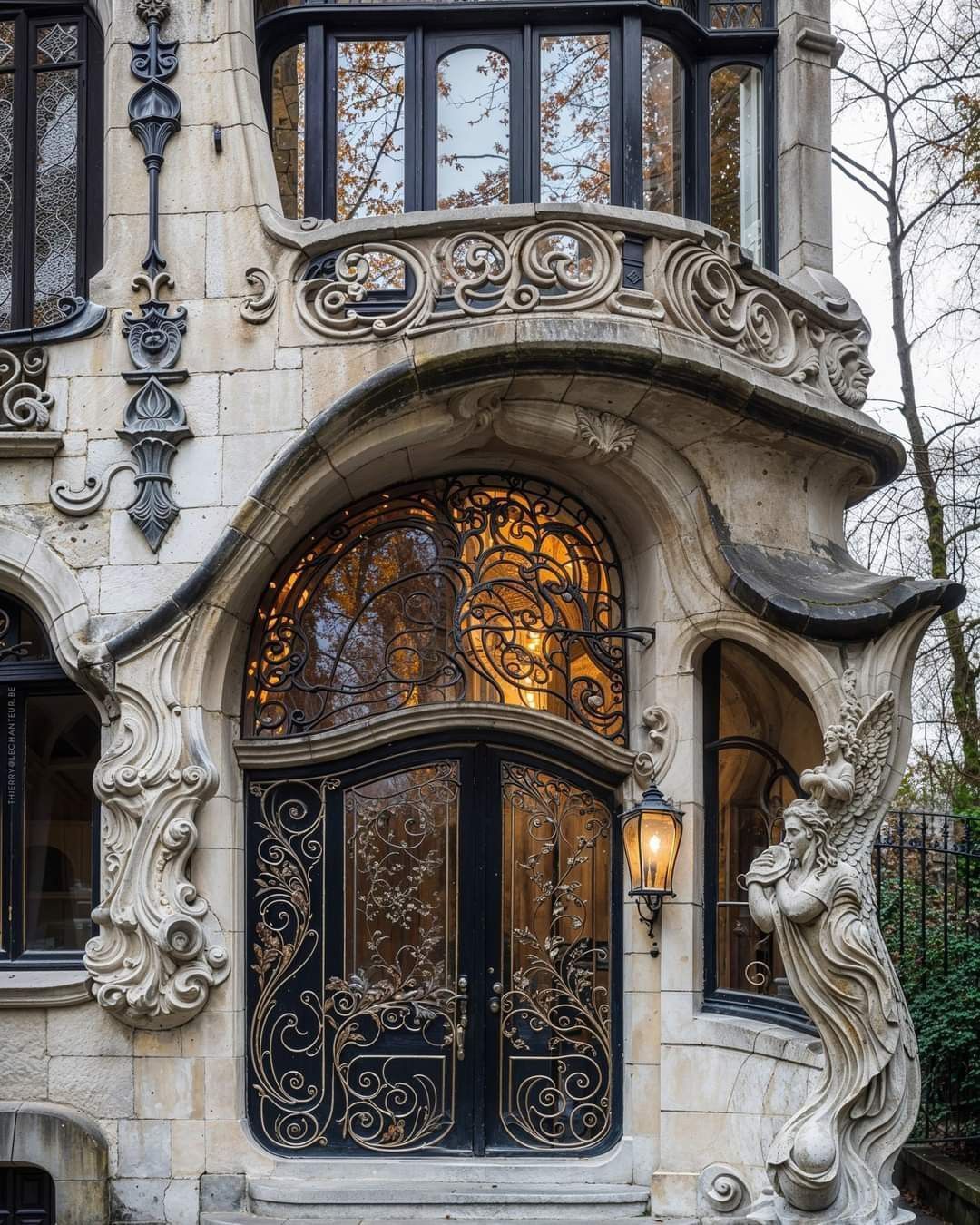
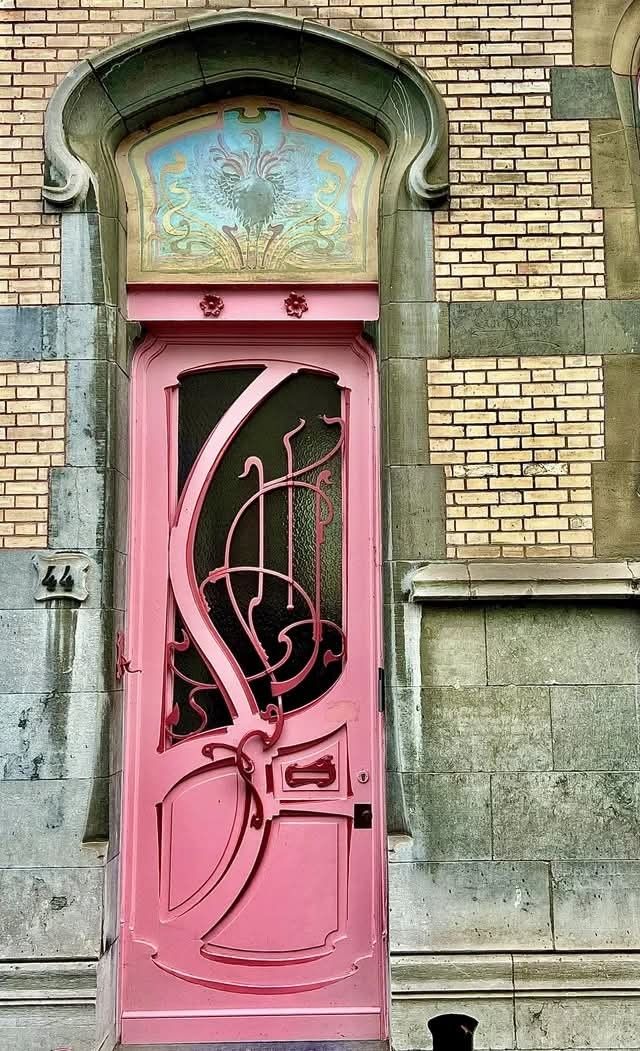
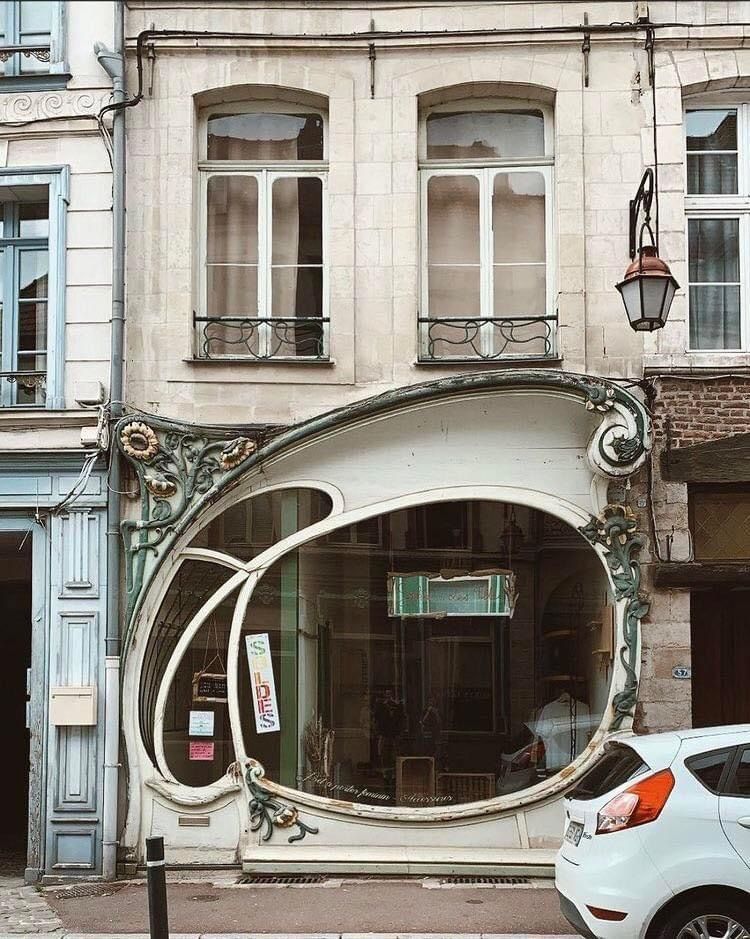
What touches me most deeply in this movement is the time it demands. The attention given to every detail. The architecture of that period is incredibly worked, sometimes almost excessive, but never gratuitous. Every curve has a reason to exist. Every ornament is deliberate.
You can feel the hand, the patience, the care.
Above all, you can feel the desire to create something truly beautiful.
I have always been drawn to detail. For me, it is detail that makes all the difference. It is where something becomes singular, recognisable, alive.
In the past, many things were made with care. Time was taken. Each line, each curve, each finish was considered. Today, everything is often more smooth, more rapid, more uniform. Images begin to resemble one another, objects too, until it becomes difficult to see what truly stands out.
Detail is not a luxury.
It is what gives character.
What allows something to step outside the mould, sometimes quietly, but in a lasting way.
Alphonse Mucha and the Art Nouveau language
When speaking about Art Nouveau, one name naturally comes to mind: Alphonse Mucha. His posters, his women, his compositions have become references. Gentle yet powerful faces, assured postures, an obvious elegance.
Mucha did not simply illustrate an era. He created a visual language that still moves through time.
An art that came down to the street
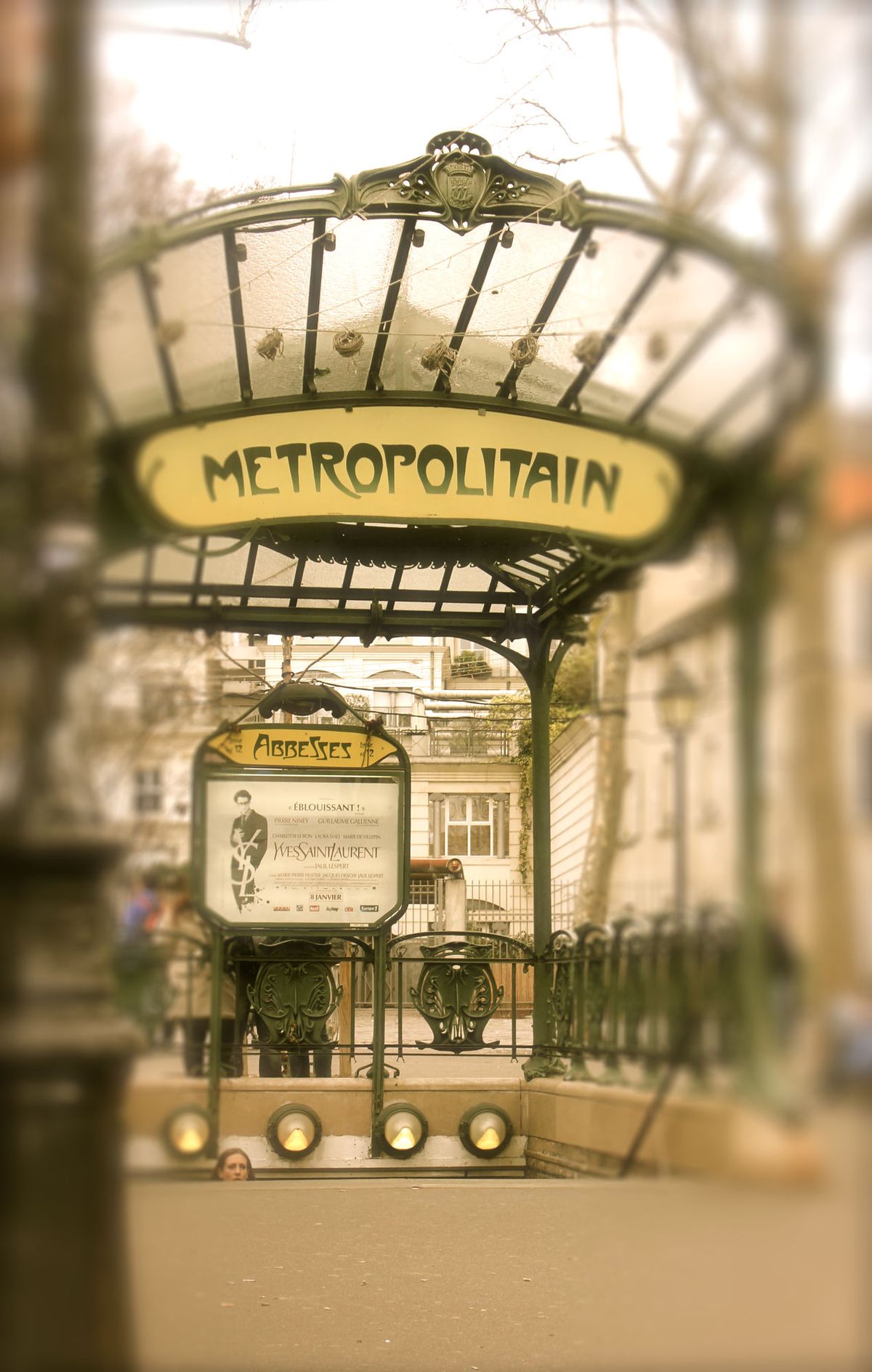
But Art Nouveau does not end with Mucha. It also lives in architecture, furniture, everyday objects. The Paris metro entrances designed by Hector Guimard, the buildings of Brussels, Vienna and Prague, the ironwork, the stained glass, the staircases.
Everything is conceived as a coherent whole. Art is no longer confined to museums. It comes down to the street, it enters daily life.
Why Art Nouveau still resonates today
That may be why this movement still resonates so strongly today. It does not seek to impress. It seeks to accompany, to embellish, to allow art and everyday life to coexist.
In a world that is increasingly fast, standardised and digital, Art Nouveau reminds us of something else: a taste for detail, for slow gestures, for a beauty that is imperfect but alive.
Art Nouveau and the body
When working on skin, this approach makes complete sense. Skin is not a fixed surface. It moves, it ages, it breathes. Art Nouveau, with its fluid lines and organic compositions, adapts naturally to the body.
It does not constrain it.
It follows it.
It respects its volumes, its curves, its rhythm.
A way of thinking about images
That is why this movement continues to accompany my work. Not as a trend, nor as a reference applied on top, but as a way of thinking about images. Taking time. Building a composition. Letting lines breathe. Accepting that everything does not need to be perfectly symmetrical or entirely smooth, but simply right.
Art Nouveau is not a nostalgic style.
It is an attitude. A way of looking at the world, of drawing, of creating, of thinking about art as something living.
And as long as we continue to need beauty, slowness and meaning, it will continue to exist.