A question of presence
I have never thought about my universe in terms of style. Whether it is music, images or my work, what has always guided me is attitude.
The figures that marked me all share a very simple common point: they exist fully. They do not try to adapt or make themselves acceptable. They take their place, sometimes quietly, sometimes loudly, but always with a real presence, whether it pleases or not.
Over time, I realise that everything starts there.
The first reference
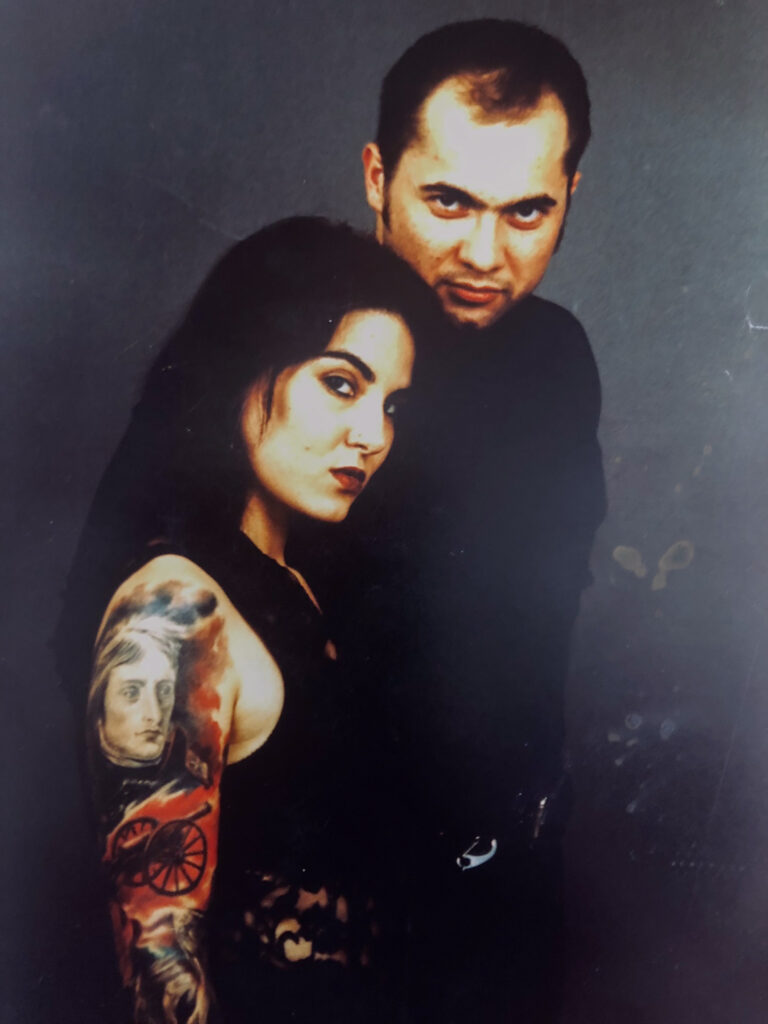
My first archetype, before painters, before records, is my father. And I prefer to clarify right away — dad, if you read this — no, I reassure you, you look nothing like Ozzy Osbourne or Marilyn Manson.
What I have always perceived in him is a strong, instinctive presence. A way of doing things without overthinking, of acting first and thinking later. Something very direct, very embodied, that moves forward before explaining itself. When you grow up with that, it inevitably structures you.
Calm behind the presence
The music I associate with my father belongs to worlds like Massive Attack, Archive, Yello or Ez3kiel. It is not just a matter of taste. This music resembles him.
These are sounds that immediately create an atmosphere. Something melancholic, artistic, sometimes slightly blurred, but deeply present. Nothing aggressive, nothing demonstrative. These are worlds you either like or you do not. I have always been sensitive to them because they do not try to convince. They simply exist.
There is a contrast here that has always struck me: a strong presence in life, paired with calm, deep, almost introspective music.
The other side: impact and image
With my mother, it is almost the opposite, and it is this gap that has always stayed with me. She is very calm, very discreet, almost reserved, while what she listens to is frontal, powerful, sometimes radical.
Black Sabbath, Led Zeppelin, Ramones, David Bowie, KISS, The Rolling Stones, and many others.
Here, everything passes through image, stage presence, impact. Artists who take up space, who impose an aesthetic, sometimes excessive, without trying to be consensual. And in everyday life, nothing flashy. Just clear, assumed choices, without speeches.
As if music expressed what did not need to be shown.
What keeps coming back
I do not listen to a single band, nor a single world. But some return more often than others.
Oasis, The Stone Roses, Sex Pistols, The Clash, The Beatles, Ozzy Osbourne. These are not references chosen at random. They are artists I listen to regularly because they share something very precise.
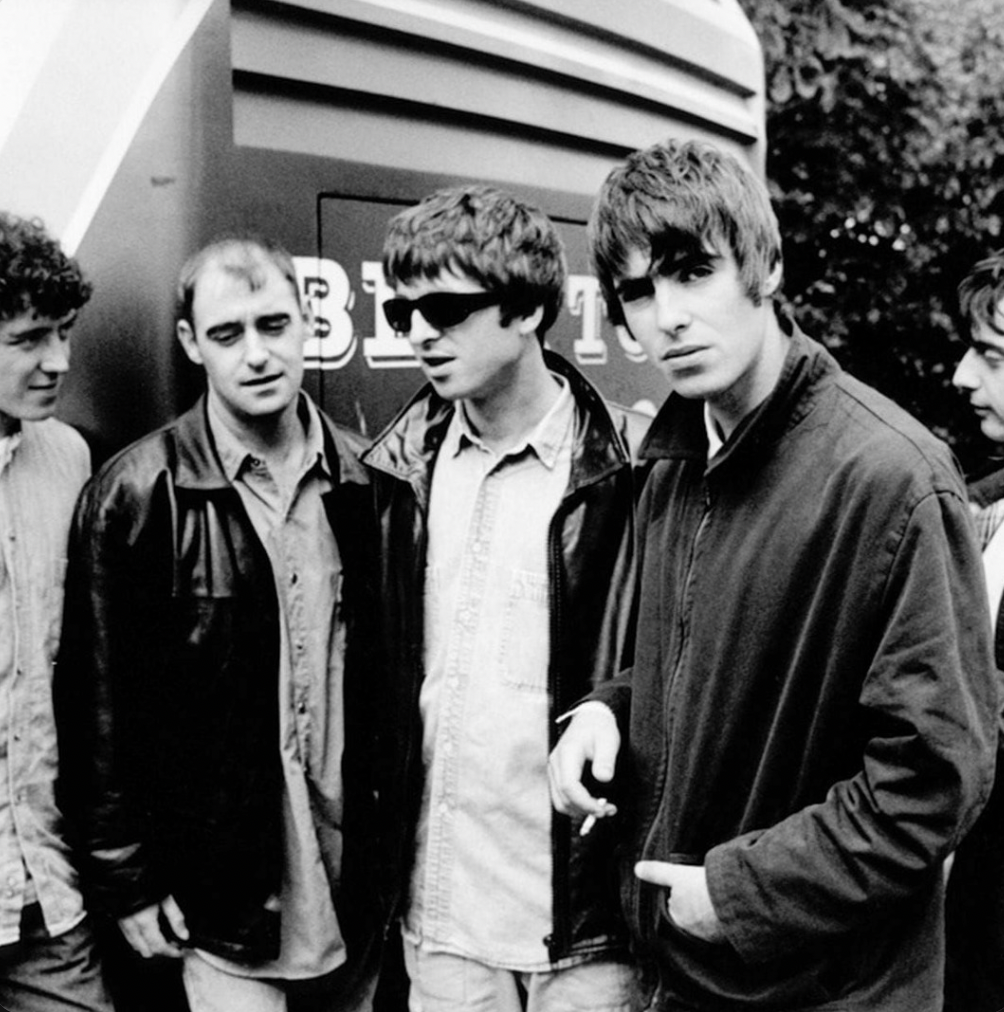
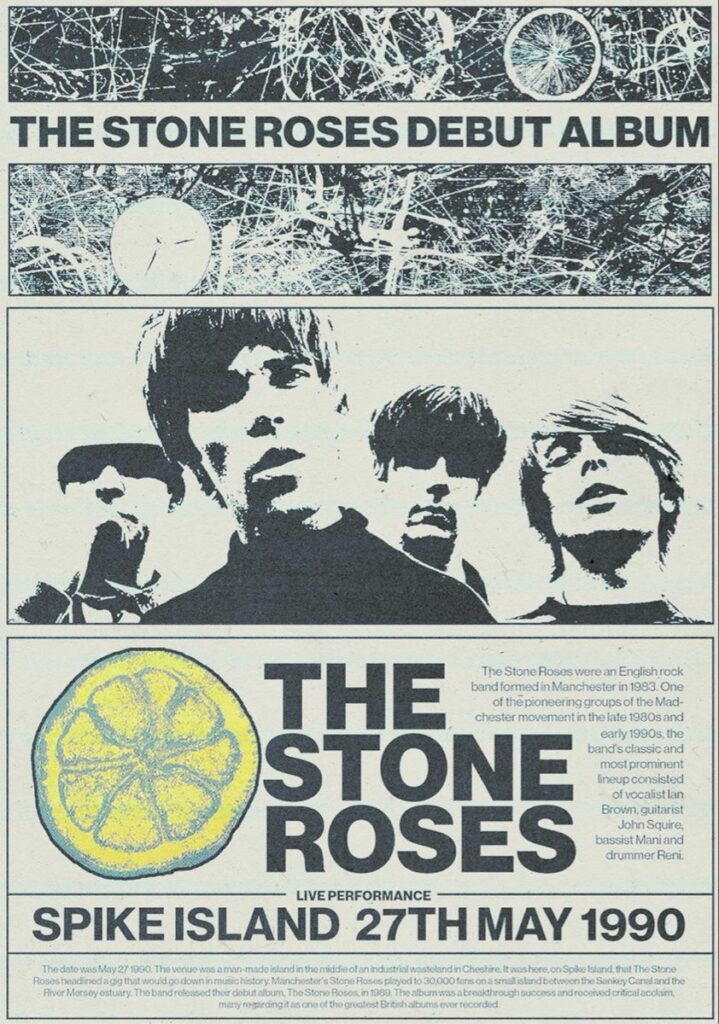
What connects them is not just a style or an era, but a shared energy. Sometimes a form of arrogance. Sometimes provocation. But above all, this very simple idea of not asking permission to exist. A character that holds, an energy that doesn't need to justify itself.
With Oasis, it is frontal, very British. With The Stone Roses, more diffuse, more elegant, but just as self-assured. With The Beatles, beyond the clichés, there is this quiet certainty, this sense of having something to say.
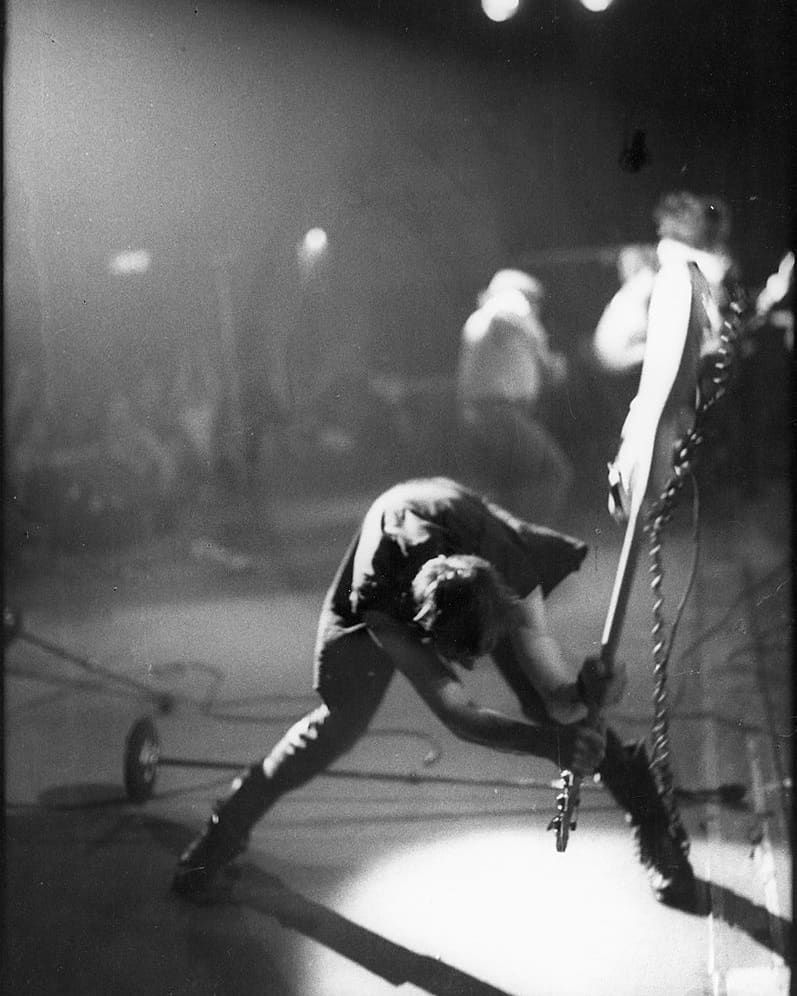
With Sex Pistols and The Clash, it is more political, more tense, but always with the same posture: being there, taking space, without apologising. And with Ozzy, it is direct, raw, without filter.
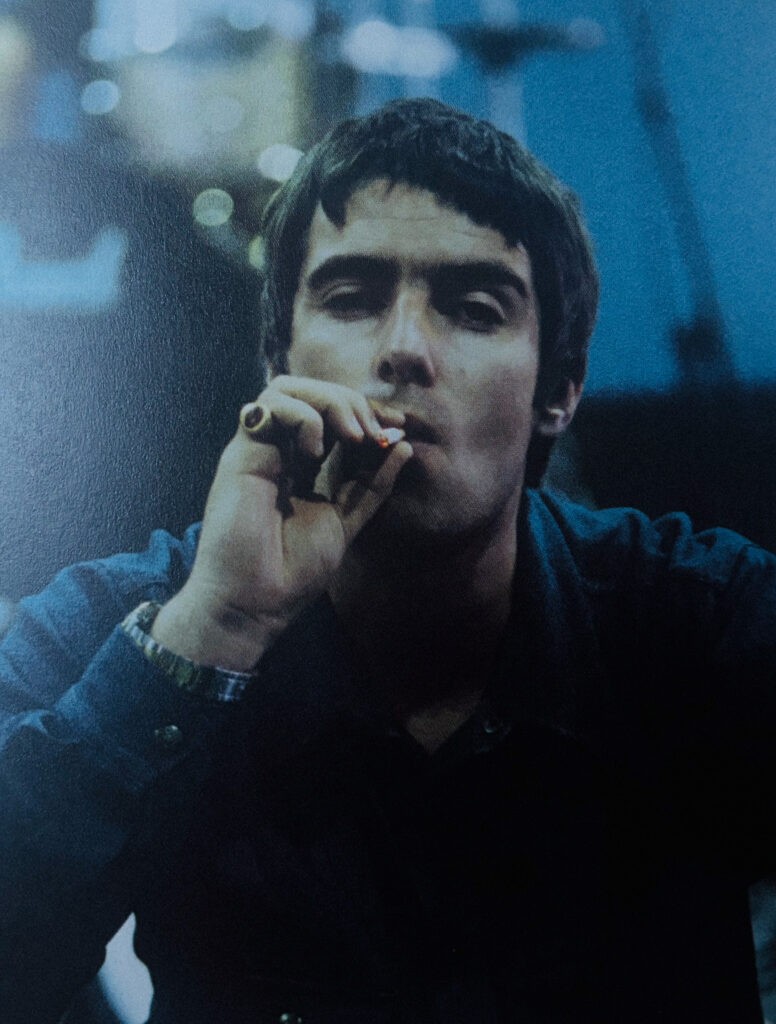
These are always the same qualities that speak to me: presence, character, stance.
London is the city where these references exist in the streets, the record shops, the culture of everyday life. I wrote about it in my London addresses.
Marilyn Manson, apart
And then there is Marilyn Manson. American. And apart.
You either like him or you do not, but everyone knows who he is. Because he operates through provocation, image, disruption, and above all because he never explains himself, never softens anything.
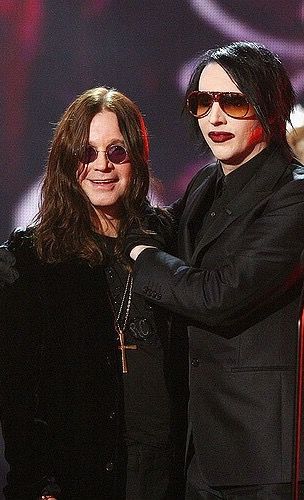
What interests me in him goes far beyond music. There is a real visual and cinematic culture, a way of building identity through image. You can feel the inheritance of David Bowie in the constant transformation, and a very American relationship to staging and symbol, which can be linked to David Lynch — notably through Lost Highway, whose trailer soundtrack is by Marilyn Manson — or Quentin Tarantino.
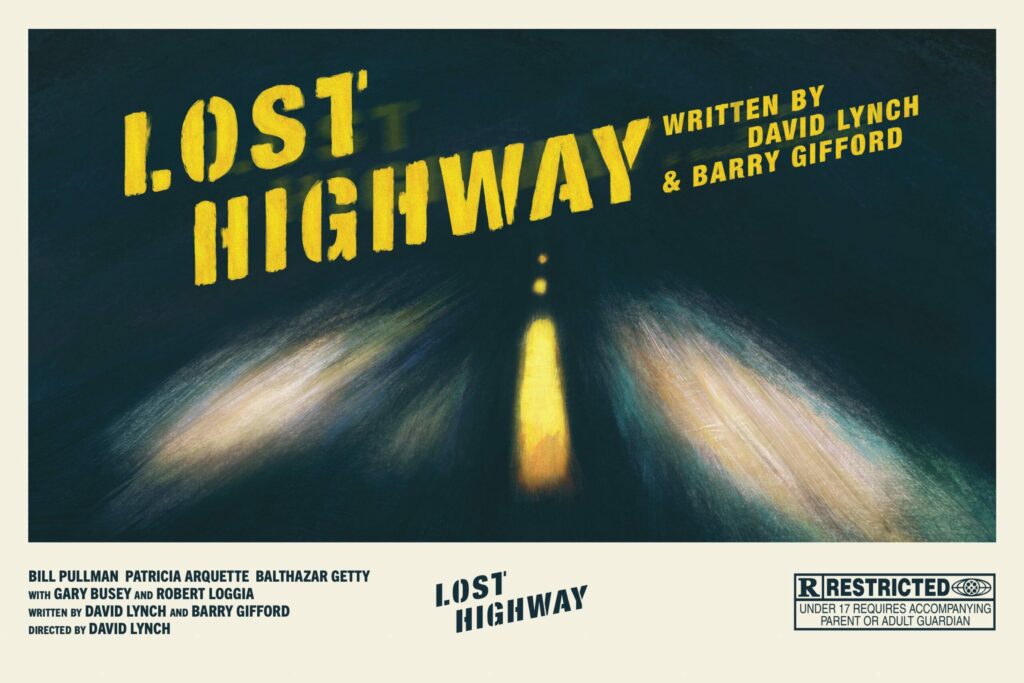
The Dope Show: image according to Marilyn Manson
The reference to the film Mad Love, with Peter Lorre, reused for the cover of Eat Me, Drink Me, with the spiral heart, clearly shows this relationship to strong, disturbing, immediately recognisable images.
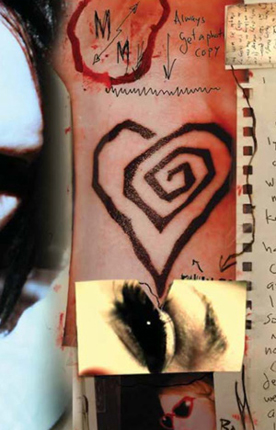
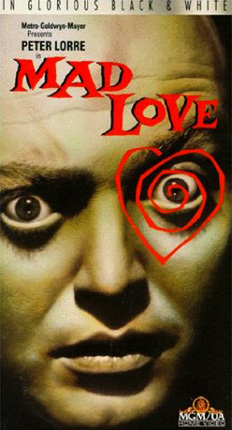
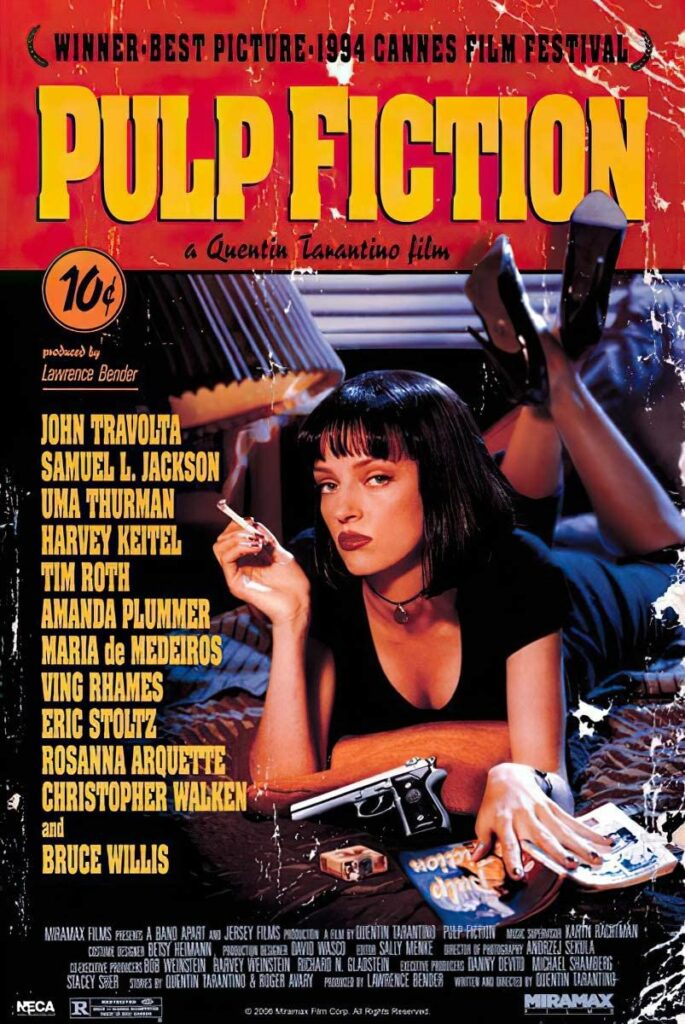
The Dope Show: the image according to Marilyn Manson
With him, everything is thought out, constructed, referenced, and always with the same constant: asking nothing, smoothing nothing.
These archetypes are the foundation of my artistic identity in tattooing.
Noise, movement, vital music
Music has never been a simple background for me. I am incapable of living without it. I grew up in a house where there was always noise, movement, people, music. We are a large family, and silence almost never existed.
That relationship to space and accumulation, I found it again at Hôtel Amour Nice. Same logic, different register.
Naturally, music became a constant presence, something that accompanies, that structures.
This is also what I explore in What Style Will Never Say For You.
What all this says about my work
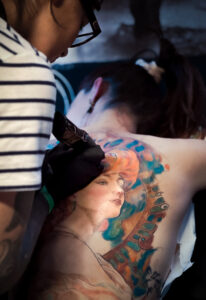
All of this journey is directly reflected in what I do. I do not start from a fixed style or a trend, but from a way of working. I need what I create to have a clear presence, to stand on its own, without needing to be explained. There is often this mix of calm and tension, of restraint and impact. I like grain, the raw, what is not perfectly smooth.
That's exactly what the Shane O'Neill seminar in Avignon reinforced, construction first, everything else follows.
All of this was built over time. And today, this is simply how I work.
It's a figure, a reference that shaped the way you see and work — not a style to copy, but an energy to integrate. For me, it's Oasis, The Clash, Marilyn Manson. What they share: a strong presence, a character that's immediately recognisable.
Because music, like tattooing, is a question of posture. What you listen to says something about the way you occupy space, the way you build an image. Both are about attitude before they're about technique.
By starting from what genuinely speaks to you, not trends, not what sells well. References that have their own presence, that hold without needing to be explained. I go into more detail in my article on artistic identity in tattooing.
Nothing, on the surface. Everything, in reality. Oasis, The Stone Roses, The Clash, it's an energy, a character, something that holds. That's exactly what I look for in my work: images that don't need to be explained.