A choice that wasn't random
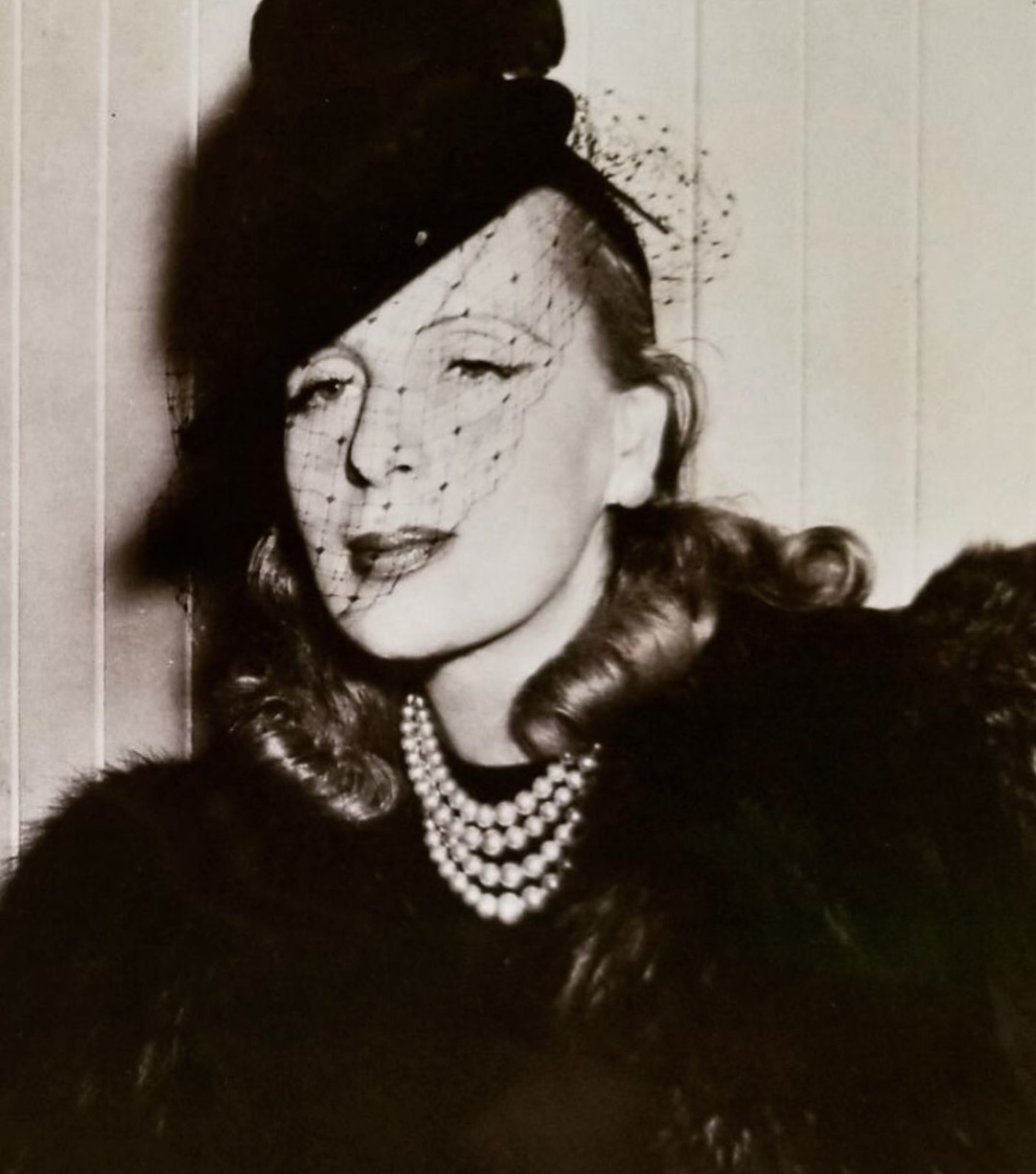
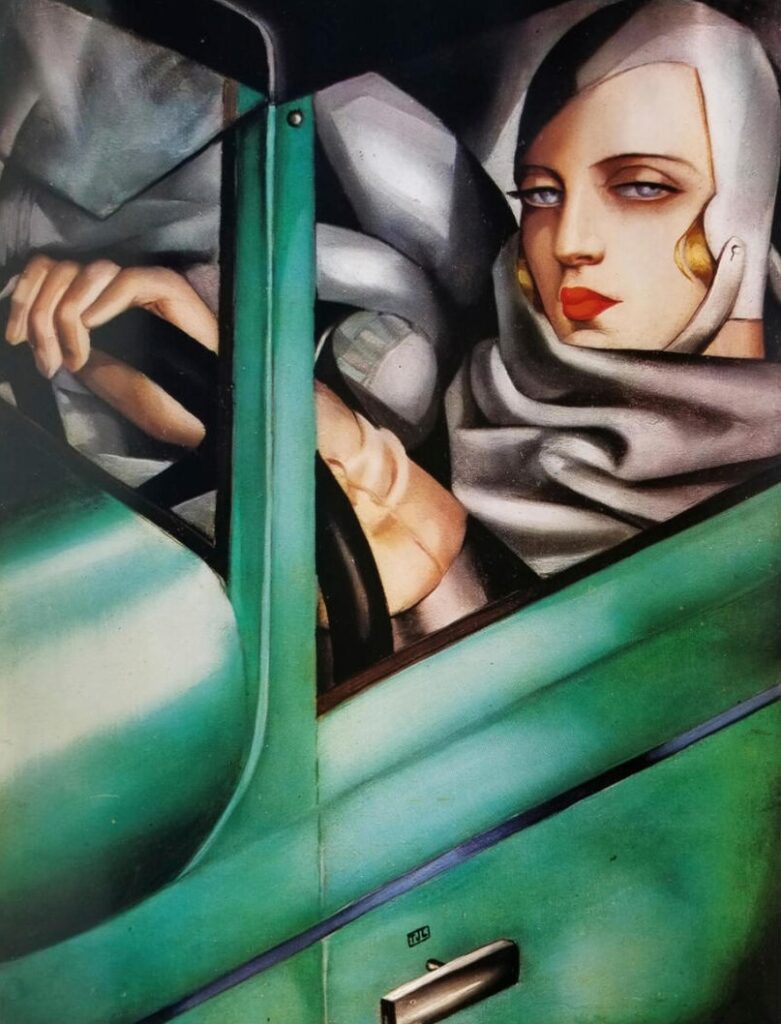
My parents chose my name in reference to Tamara de Lempicka. For a long time, honestly, I didn't really think about it. Her paintings were there, at home, I walked past them every day. It's only as I got older that I started to understand who she really was, and what that name carried with it.
My father's world
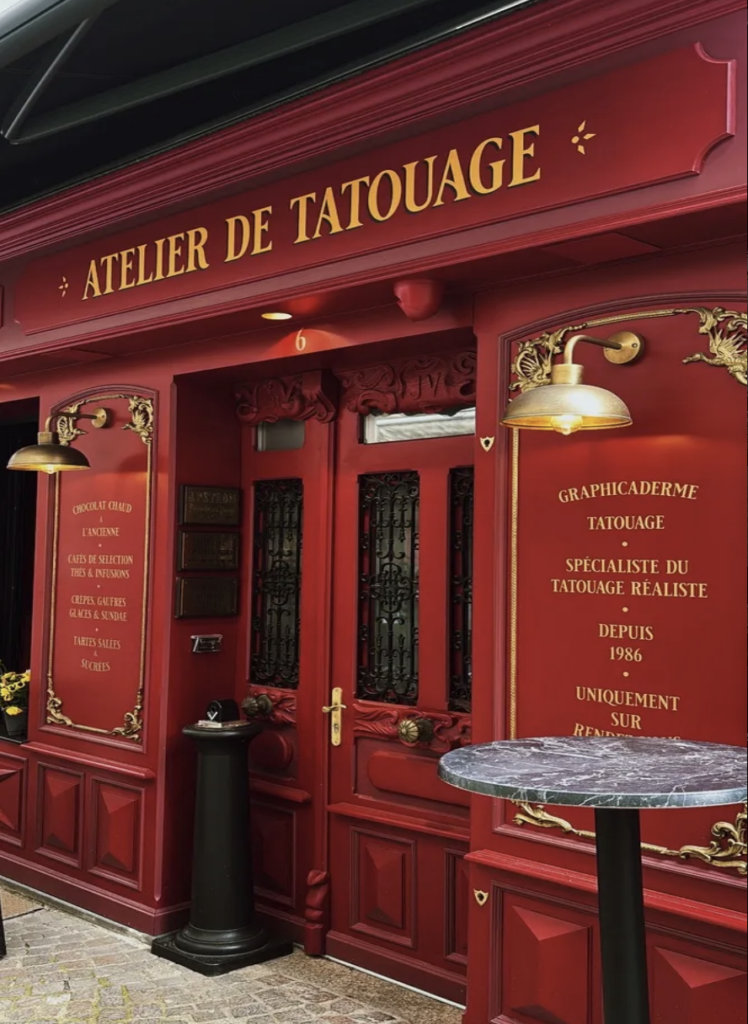
My father loves those periods. Art Deco, the Victorian era, Napoleon. He opened Gourmet & Glouton, a restaurant in Chaudes-Aigues, the village in the Cantal that carries our name. A period Napoleon sofa in damask, gilded frames, a cast iron street lamp inside, a Belle Époque bordeaux facade with gold ornaments, an Art Nouveau illustration on the menu.
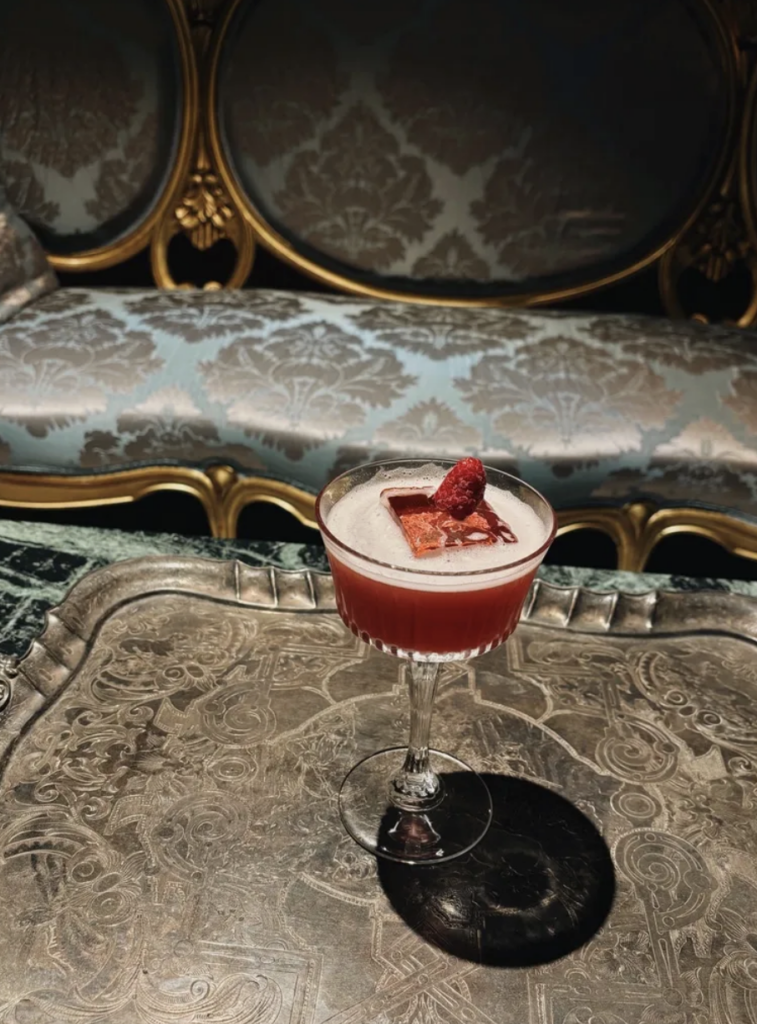
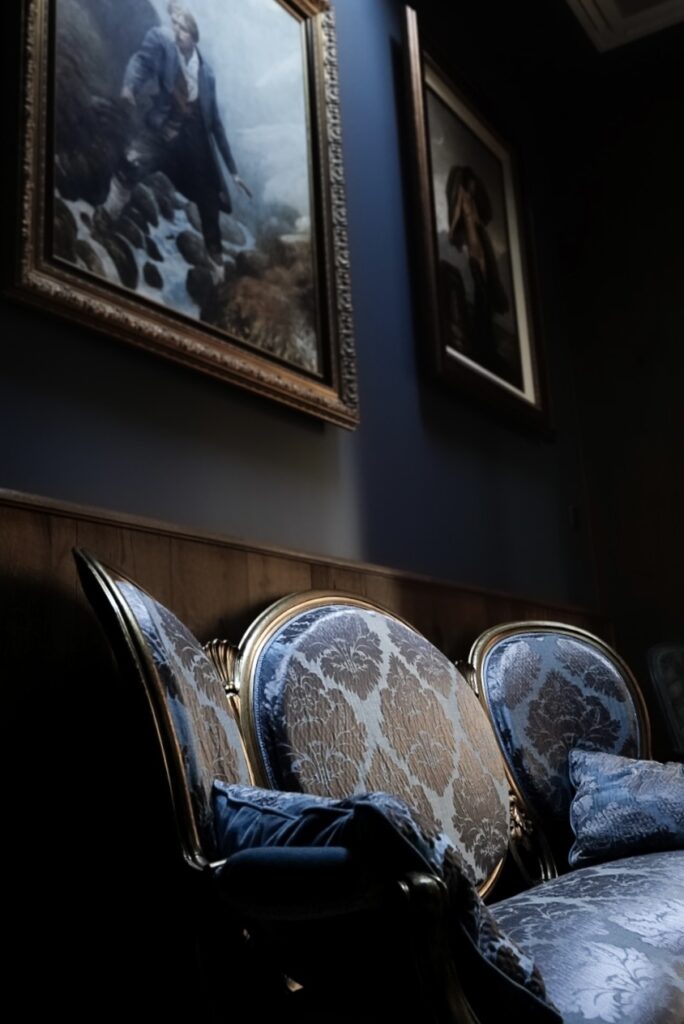
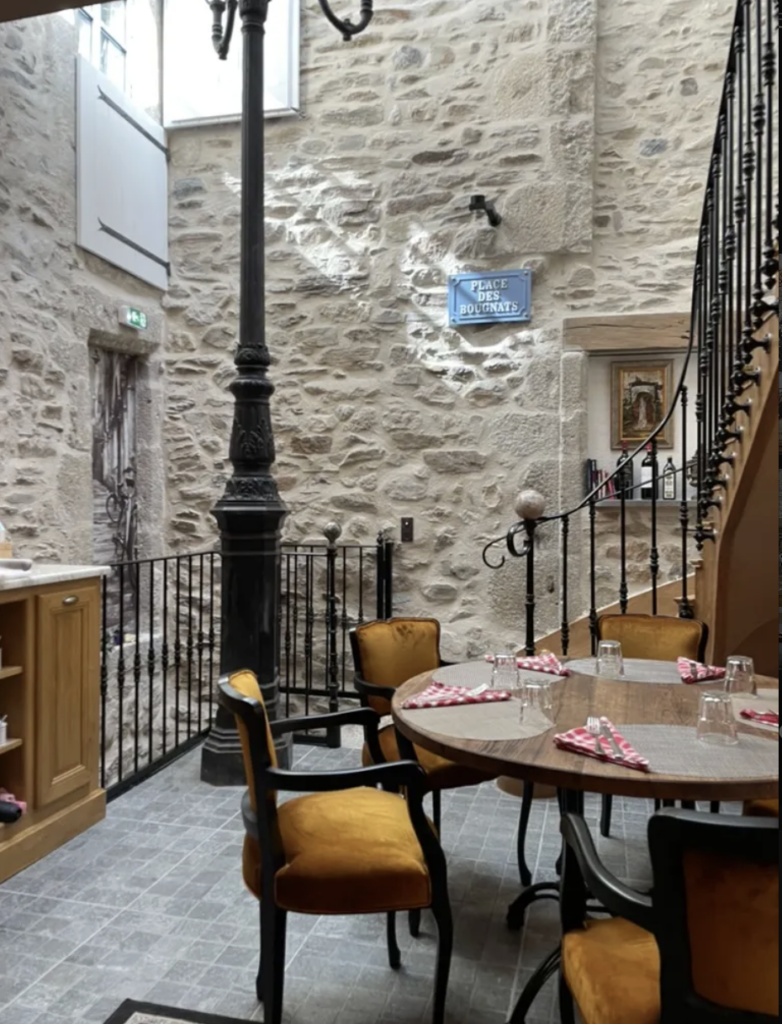
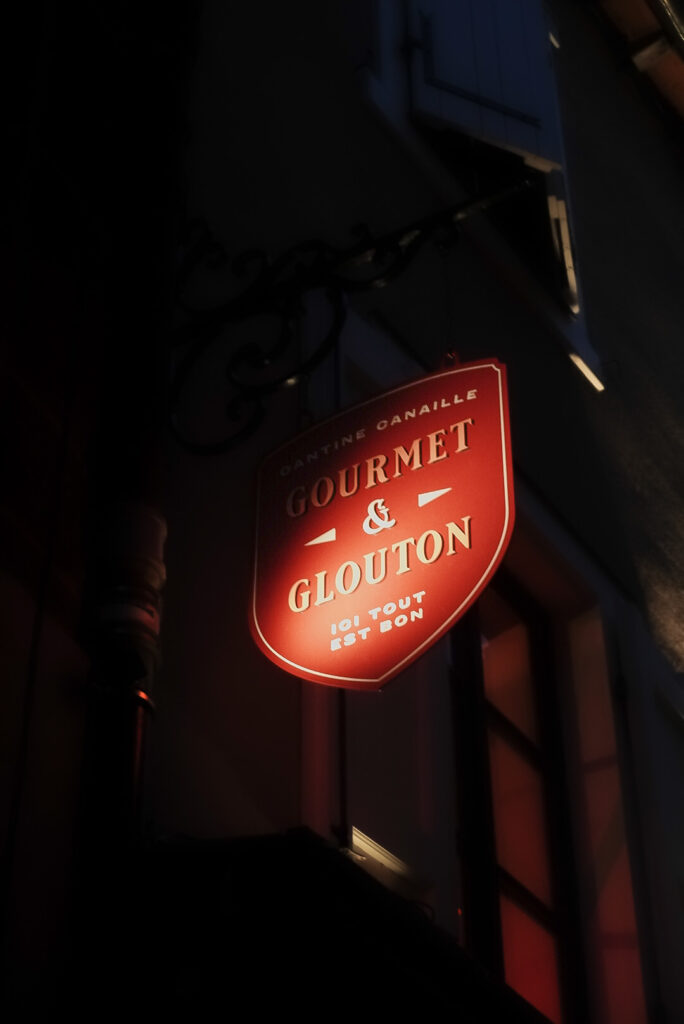
That's the world I grew up in, and it's exactly what you find in my tattooing today.
A name with weight
I never thought I had to resemble her. But looking back, carrying that name, growing up surrounded by those images, inevitably shaped something. A taste for style, ambition, drawing — it all settled in naturally, without me really looking for an explanation. It's part of what I explore in building an artistic identity in tattooing.
The real discovery
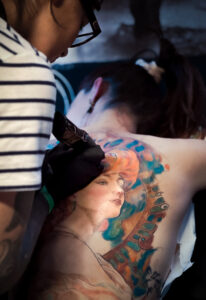
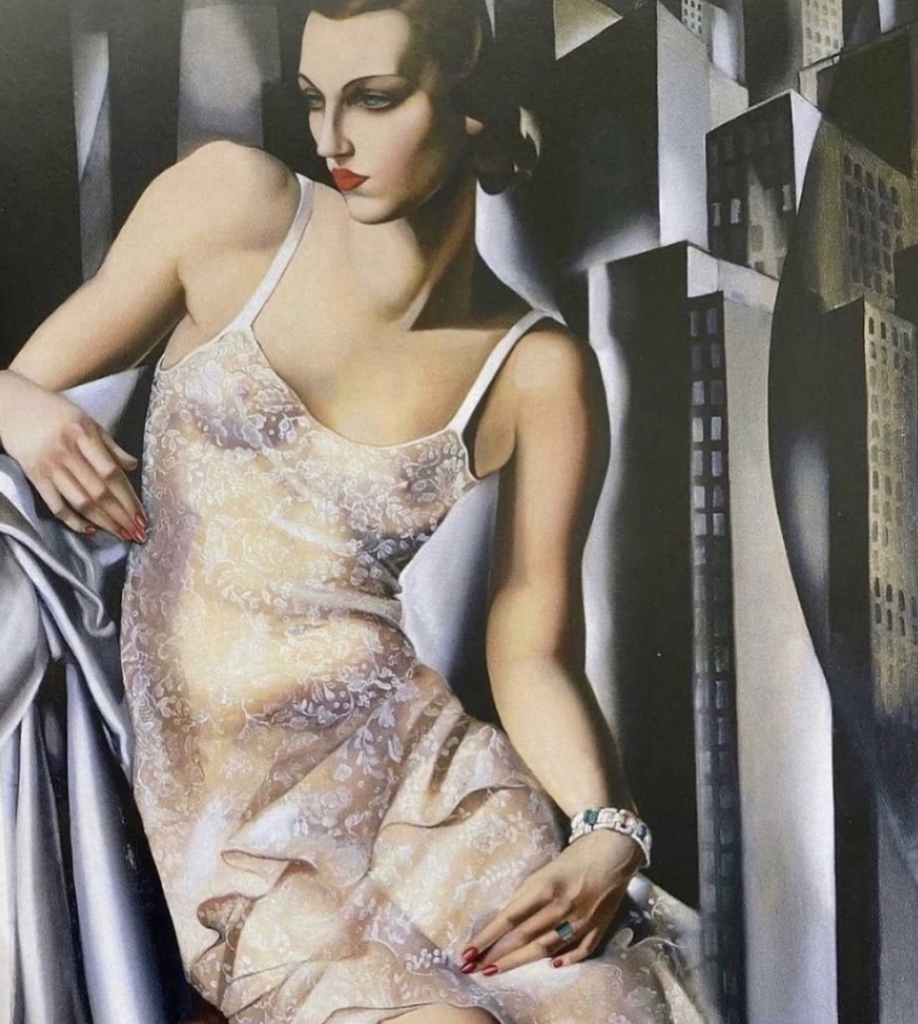
The day I actually looked into her work properly, I discovered an immense artist. A free, demanding, determined woman. I wanted to anchor her in my own story. Her self-portrait first, then the portrait of Madame Allan Bott, which my father tattooed on me. That wasn't just a tribute. It was a transmission. It's also what I talk about in When Your Name Arrives Before You.
Tamara de Lempicka and tattooing — the concrete connection
After one year of practice, I began a full sleeve built around her universe, including the portrait of Madame Boucard, like a conversation between her work and mine. That work helped me understand what truly moves me in art: the strength of figures, their presence, their character. That's where the connection with Art Nouveau became clear. Not the same style, not the same period, but the same logic. Lines that follow the body, images that truly exist on the skin. It's exactly what I bring to my work in London.
A coincidence that wouldn't let go
Christmas 2024. I'm looking for last-minute gifts and I come across a book titled Tamara by Tatiana. My name is Tamara. My cat is called Tatiana. I showed it to a friend, half amused, and she told me it was my mantra and that I had to buy it. She was right.
Recognising something familiar
I read it in one go, which is very unlike me. I followed her life, her flight from war, Paris, the nights spent painting, the thirst for success and recognition. A woman who loved beautiful things and owned it completely. What struck me wasn't admiration. It was something stranger, recognising a familiar energy in someone whose name I simply happen to share. Which probably explains why I'm so demanding with myself.
What a name can pass on
I inherited only a name. But sometimes, a name is enough to transmit a vision, an ambition, and a way of moving forward.
My parents chose it in reference to Tamara de Lempicka, the Art Deco painter. It wasn't random.
She taught me what I look for in an image, figures that have real presence, compositions that hold over time. That's where my connection to Art Nouveau became clear. Not the same style, but the same logic.
The restaurant my father built in Chaudes-Aigues, the village in the Cantal that carries our family name. A period Napoleon sofa, gilded frames, a cast iron street lamp inside, a Belle Époque facade, an Art Nouveau illustration on the menu. A world built entirely in his image.
After one year of practice, I began a full sleeve built around her universe, including the portrait of Madame Boucard. An open conversation between her work and mine.
A book I found by chance at Christmas 2024. My name is Tamara, my cat is called Tatiana. I read it in one go — which is nothing like me.
Not the same styles, not the same periods. But the same logic, lines that follow the body, images that truly exist on the skin and stand the test of time. It's what I bring to every project in London.
Yes. I work between Avignon and London. You can reach me via the contact page or view my work in my portfolio.